A dependable NAS can turn scattered photos, work files, and device backups into one organized private-storage system. The right enclosure can also add file sharing, remote access, media streaming, and data protection without relying entirely on cloud subscriptions.
These 10 options cover simple one- and two-bay setups, flexible four-bay systems, and higher-performance models for demanding home offices and professional workflows. Choose based on capacity, redundancy, performance, software, and how much hands-on management you want.
Best 10 Nas Enclosure for Backups Picks for 2026
Best Premium Backup Enclosure

- Automated backups to multiple destinations
- RAID, snapshots, and hardware transcoding
- Three-year warranty and up to 30 cameras
Best For: Creators and media-focused households wanting layered protection
Best for Advanced Home Backups

- Up to 80TB with HDD and NVMe storage
- Intel N100, 8GB DDR5, and 2.5GbE
- Backups plus Docker, VMs, and media apps
Best For: Advanced home users, creators, and remote workers
Best Budget Synology Backup Enclosure
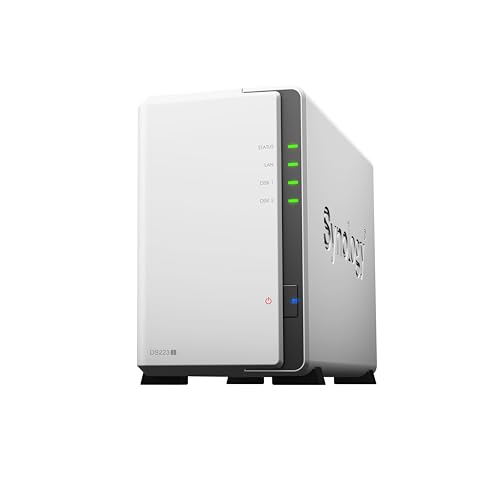
- Automated Mac, PC, and mobile backups
- Private cloud with multi-platform access
- Two-bay design and two-year warranty
Best For: Home users seeking simple, dependable backups
Best Four-Bay Family Backup Enclosure

- Four bays for expanding private storage
- Real-time phone photo and video backup
- AI albums, 2.5GbE, and 8GB RAM
Best For: Families and beginners with growing photo libraries
Best Direct-Attached Backup Enclosure

- Four bays with hardware RAID options
- USB Type-C connection for computers and NAS backups
- Diskless, lockable metal enclosure
Best For: Local backups and compatible QNAP NAS expansion
Best Beginner NAS for Personal Backups

- Two bays and up to 64TB capacity
- Automatic backups across major operating systems
- 4GB RAM, 1GbE, and privacy-focused security features
Best For: Personal files, photos, and phone backups
Best Business-Ready Backup NAS
Synology DS425+ Private Cloud NAS

- Four bays with RAID, backups, and snapshots
- Up to 278 MB/s and 10+ concurrent users
- Access controls, audit logs, and surveillance support
Best For: Small offices and advanced shared-storage backups
Best Performance Pick

- Intel Core i3-1315U with expandable DDR5 memory
- Four bays with RAID 0, 1, 5, and 10 support
- 10GbE, Docker, VMs, and dual M.2 SSD slots
Best For: Power users and demanding backup workflows
Best Two-Bay Backup Hub

- Automated backups for computers and mobile devices
- Two-bay design for centralized home or office storage
- Supports file sharing, version control, and surveillance
Best For: Home offices and small teams
Best Compact Personal Backup

- Automatic phone and computer backup support
- Private file cloud without monthly subscription fees
- Compact single-bay design with surveillance features
Best For: Individuals and households with basic backup needs
Best Premium Backup Enclosure – Synology DS225+
The Synology DS225+ is a strong nas enclosure for backups when you want automated protection, private cloud access, and media features in one two-bay system. It is diskless, so you can choose compatible drives and configure storage to suit your needs.
Best For: Creators, media-focused households, and users who want layered backup protection with hardware transcoding.
Pros:
- Supports automated backups to cloud services, external drives, and remote NAS devices.
- Combines RAID redundancy, snapshots, and backup tools for layered data protection.
- Intel CPU supports hardware transcoding for streaming 4K media.
- Includes support for up to 30 IP cameras and a three-year warranty.
Cons:
- Diskless design requires separate hard drives.
- Two bays provide less expansion room than four-bay alternatives.
The DS225+ is the most feature-rich Synology option here for buyers who want backup automation alongside private media and surveillance capabilities. Its two-bay design is best suited to smaller storage plans.
Best for Advanced Home Backups – UGREEN NAS DXP2800
The UGREEN DXP2800 is a versatile nas enclosure for backups designed for advanced home users, remote workers, and creators. Its two drive bays, two M.2 NVMe slots, 2.5GbE networking, and 8GB of DDR5 RAM support centralized backups and demanding file workloads.
Best For: Advanced users managing large photo libraries, 4K video, computer backups, and multiple NAS applications.
Pros:
- Supports up to 80TB across two HDD bays and two M.2 NVMe SSD slots.
- 8GB DDR5 RAM and an Intel N100 processor suit heavier workloads.
- Centralizes backups from Windows, macOS, Android, and iOS devices.
- Supports Docker, virtual machines, media servers, and AI photo organization.
Cons:
- HDDs and SSDs are sold separately.
- Its advanced feature set may be more than basic backup users need.
Choose the DXP2800 if you want a flexible backup hub that can grow into a media server or application platform. The combination of NVMe expansion and fast networking makes it particularly appealing for larger, active data collections.
Best Budget Synology Backup Enclosure – Synology DS223j
The Synology DS223j is a straightforward nas enclosure for backups for households that want private cloud storage and automated device protection without a more advanced hardware platform. Its two-bay, diskless design lets you add compatible drives separately.
Best For: Home users who need simple backups, file sharing, and access across computers and mobile devices.
Pros:
- Automates backups for Macs, PCs, and mobile devices.
- Provides private cloud access and multi-platform file sharing.
- Supports multiple IP cameras with remote viewing.
- Synology provides ongoing software updates and a two-year warranty.
Cons:
- Diskless enclosure requires separate storage drives.
- Two bays limit capacity and expansion compared with four-bay models.
The DS223j is a sensible choice when dependable, easy-to-manage backups matter more than high-performance applications. It covers core private-cloud and backup tasks while keeping the setup relatively focused.
Best Four-Bay Family Backup Enclosure – UGREEN NAS DH4300 Plus
The UGREEN DH4300 Plus is a roomy nas enclosure for backups aimed at beginners, families, and remote workers. With four drive bays, automatic phone photo backup, and support for multiple operating systems, it provides a practical path from cloud storage or external drives to a private home server.
Best For: Families and beginners who need large-capacity photo, video, and device backups with simple access across platforms.
Pros:
- Four bays provide more room for growing private storage than two-bay models.
- Automatically backs up phone photos and videos in real time.
- AI albums support recognition, search, duplicate removal, and photo organization.
- Includes 2.5GbE, 8GB RAM, Docker support, and 4K HDMI output.
Cons:
- Storage disks are not included.
- Supports Docker but not virtual machines.
- Its larger feature set may be unnecessary for basic file backups.
The DH4300 Plus stands out when capacity and family photo protection are priorities. Its beginner-oriented setup features and four-bay layout make it a strong long-term alternative to scattered cloud accounts and external drives.
Best Direct-Attached Backup Enclosure – QNAP TR-004 4-Bay DAS
QNAP TR-004 4 Bay USB Type-C Direct Attached Storage (DAS) with hardware RAID (Diskless)
Check Price On AmazonThe QNAP TR-004 is a practical nas enclosure for backups when you want local, direct-attached storage rather than a networked NAS. It connects over USB Type-C, works with Windows, macOS, and Linux, and provides four diskless bays with hardware RAID options.
Best For: QNAP NAS owners and users who need expandable local backup storage with RAID flexibility.
Pros:
- Four 3.5-inch SATA bays support RAID 0, 1, 5, JBOD, and individual disks
- Can serve as external storage for NAS backups or expand a compatible QNAP NAS
- USB Type-C connectivity with a Type-C-to-Type-A cable included
- Lockable drive bays and a metal enclosure add practical durability
Cons:
- Drives are not included
- It is direct-attached storage, not a standalone network NAS
- NAS compatibility has specific QNAP model and QTS version limitations
The TR-004 is a strong choice for straightforward, high-capacity backups, especially if you already use compatible QNAP equipment. Check model compatibility carefully, since its storage pool cannot be combined with the connected NAS and NAS applications cannot be installed on the enclosure.
Best Beginner NAS for Personal Backups – UGREEN NAS DH2300
The UGREEN NAS DH2300 is an approachable nas enclosure for backups aimed at beginners and personal users. Its two bays support up to 64TB with separately purchased drives, while automatic backups can consolidate photos and files from phones, computers, tablets, and multiple operating systems.
Best For: Individuals and content creators seeking simple private storage, phone backup, and personal file organization.
Pros:
- Automatic backups across Windows, iOS, Android, and macOS devices
- Two-bay design supports up to 64TB, with drives purchased separately
- Includes 4GB RAM, a 1GbE port, and advertised transfers up to 125MB/s
- Offers RAID modes, two-factor authentication, permission controls, and encrypted transfers
Cons:
- Does not support Docker or virtual machines
- Wi-Fi requires an external USB adapter; wired Ethernet is recommended
- Limited performance is noted for this consumer and entry-level model
The DH2300 focuses on easy personal backups rather than advanced server workloads. Its automatic device backup and privacy features make it appealing for replacing scattered external storage or cloud storage, provided its entry-level limitations fit your needs.
Best Business-Ready Backup NAS – Synology DS425+ Private Cloud NAS
Synology DS425+ Private Cloud Media Server - Stream, Back Up & Share Files (4-Bay Diskless NAS)
Check Price On AmazonThe Synology DS425+ is a four-bay nas enclosure for backups designed to serve as a broader private-cloud, media, and file-sharing hub. It combines RAID redundancy, automated backups, and snapshot technology with access controls, making it suitable for households or offices that need more structured data protection.
Best For: Small offices, teams, and advanced home users managing shared files, media, and layered backups.
Pros:
- Four-bay diskless design supports centralized storage and shared access
- Combines RAID, automated backups, and snapshots for layered data protection
- Advertised speeds reach 278 MB/s with support for 10 or more concurrent users
- Supports up to 30 IP cameras and includes granular access controls and audit logs
Cons:
- Drives are not included
- Its broader business and surveillance features may exceed basic backup needs
- Designed for tabletop use rather than a rack-mounted installation
The DS425+ is the most feature-oriented option here for users who want backups integrated with collaboration, media streaming, and surveillance. Its four bays and layered protection make it a compelling foundation for shared storage, while the diskless design lets you choose the drives separately.
Best Performance Pick – UGREEN DXP4800 Pro
For demanding workflows, the UGREEN NAS DXP4800 Pro is a powerful nas enclosure for backups, file storage, virtualization, and containerized applications. Its four drive bays, expandable DDR5 memory, fast networking, and SSD support make it well suited to users who expect more than basic backup duties.
Best For: IT professionals, developers, video editors, power users, and growing teams with demanding storage and backup workloads.
Pros:
- Intel Core i3-1315U processor, 8GB DDR5 RAM, and memory expansion up to 96GB
- Four-bay design supports RAID 0, 1, 5, and 10 for flexible storage protection
- 10GbE and 2.5GbE networking enable high-speed transfers
- Supports Docker, virtual machines, dual M.2 SSDs, and local AI photo organization
Cons:
- Its advanced features may be more than casual backup users need
- Drives are not included, so total setup cost depends on the selected storage
This is the most capable option in the group for users who want a backup enclosure that can also serve as a private workstation or application server. The expandable hardware and four-bay RAID options provide useful room for future growth.
Best Two-Bay Backup Hub – Synology DS223
The Synology DS223 is a straightforward nas enclosure for backups that centralizes files from computers, phones, and external drives. Its two-bay format is a practical fit for home offices and small teams that want automated protection, file sharing, and version control in one location.
Best For: Home users, small offices, and teams seeking centralized backups and file collaboration.
Pros:
- Automates backups for Macs, PCs, and mobile devices
- Can back up to multiple destinations, including cloud services and external drives
- Supports file sharing, document synchronization, and version control
- Can serve as a surveillance hub for compatible IP cameras
Cons:
- Two bays provide less expansion room than a four-bay enclosure
- Diskless design requires separate drive purchases
The DS223 emphasizes accessible backup management rather than high-end performance. It is a balanced choice when you need a central file hub with automated protection and collaboration features without stepping up to a larger enclosure.
Best Compact Personal Backup – Synology DS124
The Synology DS124 is a compact nas enclosure for backups focused on personal file protection and private cloud access. It automatically backs up photos, documents, and videos from phones and computers, making it a simple starting point for individual users who do not need multiple drive bays.
Best For: Individuals and households wanting automatic backups, remote file access, and basic home surveillance.
Pros:
- Supports automatic backups from iPhone, Android, Mac, and Windows devices
- Provides private file access and sharing without relying on a monthly cloud subscription
- Compact enclosure is suited to personal or home setups
- Can support home surveillance with person and vehicle detection alerts
Cons:
- Single-bay design offers less storage flexibility and redundancy than multi-bay models
- Diskless enclosure requires a separate drive
The DS124 is the simplest option here for personal backups and file access. Its single-bay design keeps the enclosure compact, but users who want drive redundancy or more expansion should consider a two- or four-bay model instead.
How We Picked the Best Nas Enclosure for Backups
We focused on diskless NAS and direct-attached storage models that suit backup-focused home, office, and creator setups. Selection factors included bay count, drive expansion, RAID or data-protection options, connectivity, processor capability, backup features, remote access, and ease of setup. We also considered whether each enclosure fits a clear user profile, from first-time buyers to IT professionals.
A Nas Enclosure for Backups is only part of the system: you will need compatible hard drives or SSDs, and the usable capacity will vary according to the selected RAID configuration. A backup device should also be separate from the computers it protects and, ideally, paired with an additional off-site or cloud copy.
Quick Comparison
| Best For | Recommended Type | Why It Stands Out |
|---|---|---|
| Personal files and photos | 1-bay or entry-level 2-bay | Lower cost and simpler setup |
| Family or small-office backups | 2-bay NAS | Good balance of redundancy, capacity, and price |
| Growing media libraries | 4-bay NAS | More usable capacity and expansion flexibility |
| Creators and power users | Performance-focused 4-bay NAS | Faster networking, stronger processors, and broader workloads |
| Simple local storage | USB DAS with RAID | Works directly with a computer without a full NAS platform |
Key Buying Factors for a Nas Enclosure for Backups
Bay Count and Redundancy
One-bay models are compact and affordable, but a drive failure can make recovery dependent on another copy. Two-bay enclosures typically provide a practical starting point for mirrored storage. Four-bay systems cost more but offer greater capacity and more flexible RAID layouts as your backup needs grow.
Backup Software and Operating System
Look for scheduled computer, phone, photo, and cloud-backup tools that match your devices. A polished operating system can matter as much as raw hardware because it affects setup, alerts, file sharing, remote access, and recovery. Check whether important features require separate applications or subscriptions.
Performance and Connectivity
Gigabit Ethernet is adequate for routine backups, while faster Ethernet can reduce transfer times for large media libraries and multiple users. CPU performance, memory, hardware transcoding, and USB expansion matter more if you plan to stream media, run containers, edit files over the network, or connect external backup drives.
Drive Compatibility and Protection
Use NAS-rated drives when possible, verify supported capacities, and leave room for growth. RAID improves availability but is not a substitute for backup: accidental deletion, malware, theft, and hardware damage can still affect every drive in the enclosure.
Who Should Buy Which Nas Enclosure for Backups?
Choose a one-bay personal hub if you mainly need an inexpensive destination for photos and basic files and already maintain another copy. A two-bay Synology or UGREEN model is usually the most balanced choice for households, remote workers, and small offices that want redundancy without excessive complexity.
Move to a four-bay enclosure if you store video, manage several computers, expect rapid growth, or want more flexible storage protection. Creator and IT-focused users should prioritize faster networking, expandable software, memory, and processor headroom. If you only need local storage attached to one computer, a USB DAS with hardware RAID may be simpler than a networked NAS.
Whichever model you choose, install suitable drives, enable scheduled backups and health alerts, test file restoration, and keep at least one additional copy disconnected or off-site.