The best multitrack loop stations make it easier to build complete arrangements from individual guitar, vocal, keyboard, or rhythm parts. The right model can turn a solo performance into a layered set while also supporting practice, songwriting, and recording.
This roundup includes advanced floor-based workstations, tabletop recorders, vocal-focused units, and compact guitar pedals. Compare looping capacity, control layout, effects, connectivity, and recording features to find the best fit for your setup.
Best 10 Multitrack Loop Stations Picks for 2026
Flagship Floor Looping
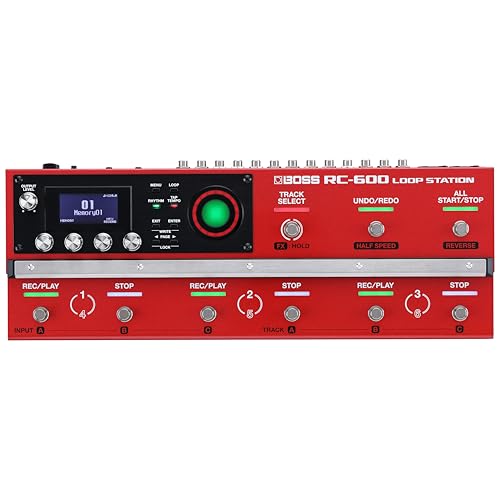
- Six simultaneous stereo phrase tracks
- Extensive Input FX and Track FX selection
- Nine assignable footswitches
Best For: Complex live performances and advanced foot-controlled looping
Touchscreen Workstation

- Seven-inch multitouch display and five looping modes
- Over seven hours of loop storage
- Four inputs, MIDI, SD, and USB connectivity
Best For: Performers seeking a feature-rich standalone looping workstation
Six-Track Performance Lab

- Six tracks with over six hours of looping
- Quantized and free-running recording modes
- Overdub, punch-in/out, and speed adjustment
Best For: Track-based performers needing flexible recording control
Tabletop Recording Hub

- 16-track playback and up to eight-track recording
- Built-in stereo condenser microphones
- USB interface, sampler, and rhythm machine
Best For: Tabletop multitrack recording and arrangement
Best Stereo Multitrack Pick

- Two synchronized stereo tracks
- Up to three hours of stereo recording
- 99 phrase memories and built-in effects
Best For: Stereo loop performance and layered songwriting
Best Vocal Looping Option
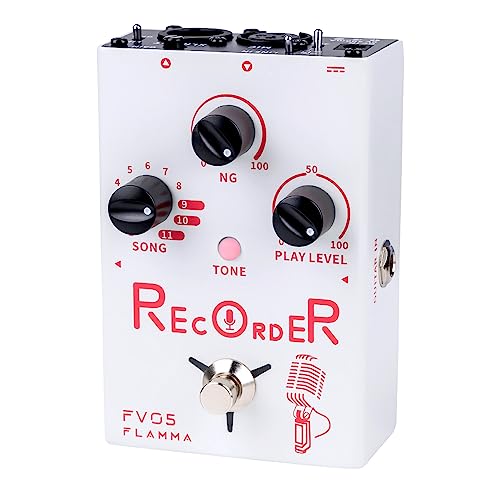
- Unlimited dub tracks for vocals and instruments
- Noise gate, reverb, and three vocal EQ modes
- 70 minutes across 11 recording slots
Best For: Singer-songwriters and vocal-focused looping
Best Simple Series Looper

- Three loops recorded in series
- Unlimited recording time
- True bypass and tuner mute
Best For: Live guitar and bass layering
Extended Layering Pick
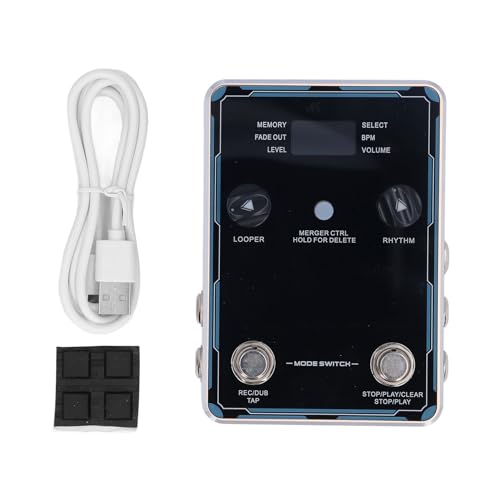
- 160 minutes of loop recording
- 100 drum rhythms and 10 metronome types
- USB import/export and multi-instrument support
Best For: Songwriters and performers building extended layered arrangements
Feature-Rich Compact Pick
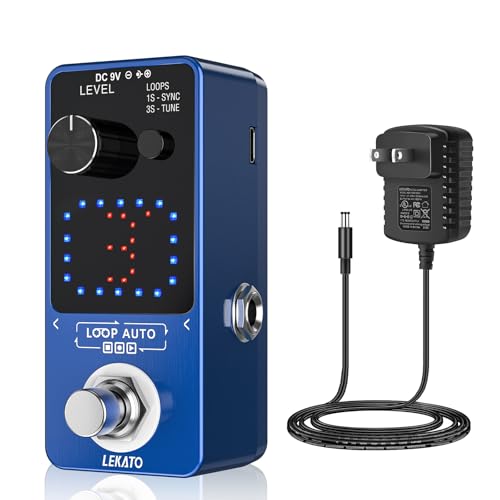
- Three loops with 18 minutes total memory
- Synchronous recording and built-in tuner
- Uncompressed audio with USB file transfer
Best For: Guitarists wanting portable, organized phrase layering
Simple Three-Loop Pick

- Three loops in series with unlimited recording time
- True bypass preserves the signal path
- Tuner mute and adaptable input placement
Best For: Guitarists and bassists needing extended, uncomplicated looping
Flagship Floor Looping – BOSS RC-600
For musicians comparing multitrack loop stations, the BOSS RC-600 is a powerful floor-based option built for complex live performances. It records and edits up to six simultaneous stereo phrase tracks, with 32-bit processing and extensive effects.
Best For: Guitarists, singer-songwriters, multi-instrumentalists, and performers who need deep foot control and layered live looping.
Pros:
- Six simultaneous stereo tracks support complex layered performances.
- Offers 49 Input FX and 53 Track FX types, with four usable at once in each section.
- Nine freely assignable footswitches and three pedal modes provide flexible control.
- 32-bit AD/DA and floating-point processing deliver class-leading sound quality.
Cons:
- Its extensive controls and customizable functions may require a learning period.
- The corded unit is relatively large and weighs 8.2 pounds.
The RC-600 stands out when control depth, effects variety, and six-track stereo looping matter more than compactness or simplicity.
Touchscreen Workstation – Sheeran Looper X
The Sheeran Looper X is a full-featured choice among multitrack loop stations, combining a 7-inch multitouch display, five looping modes, multi-effects, and extensive storage. Its design supports guitar, bass, keyboard, and vocal setups.
Best For: Performing musicians who want a touchscreen workflow, multiple instruments or vocals, and substantial loop storage in one workstation.
Pros:
- Five modes and up to four tracks per loop support varied performance workflows.
- Stores over seven hours of loops, with up to 99 layers per track and unlimited loop lengths.
- Includes 26 individual effects and nine Multi-FX racks.
- Provides four combo inputs, phantom power, MIDI, SD, USB, and 2-in/2-out USB audio interface functionality.
Cons:
- The workstation weighs 7.3 kg, making it less portable than a compact pedal.
- Its broad feature set may be more than needed for straightforward looping.
With its touchscreen, connectivity, and storage capacity, the Looper X is suited to performers who want a standalone looping workstation rather than a basic pedal.
Six-Track Performance Lab – Electro-Harmonix 95000
The Electro-Harmonix 95000 Performance Loop Laboratory is a focused option for musicians seeking multitrack loop stations with six tracks, stereo I/O, and extended recording time. Its controls support both free-running and tempo-based loop creation.
Best For: Performers who want six-track looping with BPM control, overdubbing, punch-in/out recording, and adjustable playback speed.
Pros:
- Provides six tracks and over six hours of looping.
- Supports quantized or non-quantized recording modes.
- Includes overdub and punch-in/out recording options.
- Speed can be adjusted across a two-octave range, with loop progress shown in bar/beat format.
Cons:
- The supplied notes do not list onboard effects or extensive footswitch customization.
- Its push-button and knob controls may be less visual than a touchscreen workflow.
The 95000 is a practical fit for structured, track-based looping when recording flexibility and capacity are priorities.
Tabletop Recording Hub – Zoom R8
The Zoom R8 takes a tabletop approach to multitrack loop stations and recording. It combines 16-track playback, simultaneous recording on up to eight tracks, built-in stereo condenser microphones, a pad sampler, and a rhythm machine.
Best For: Musicians who want a compact tabletop recorder and USB audio interface for creating and arranging multitrack performances.
Pros:
- Supports 16-track playback and recording on up to eight tracks simultaneously.
- Built-in stereo condenser microphones enable convenient recording.
- Records 16/24-bit, 44.1 kHz WAV audio to SD or SDHC cards up to 32GB.
- Combines recording, USB audio interface, pad sampler, and rhythm-machine functions.
Cons:
- It is a tabletop recorder rather than a dedicated floor-based looper.
- The maximum sample rate is 44.1 kHz.
- The supplied notes do not specify dedicated loop-track effects or live foot control.
The R8 makes the most sense for users who value multitrack recording and tabletop versatility over pedal-style live looping controls.
Best Stereo Multitrack Pick – BOSS RC-30
The BOSS RC-30 is a strong choice for players seeking multitrack loop stations with true stereo connectivity and hands-on control. Its two synchronized stereo tracks, dedicated faders, and track-select buttons make layered loop management practical for rehearsals, songwriting, and performance.
Best For: Guitarists and performers who want stereo looping, substantial onboard storage, and built-in loop effects.
Pros:
- Two synchronized stereo tracks with dedicated volume faders.
- True stereo input and output support.
- Up to three hours of stereo recording and 99 onboard memory phrases.
- Built-in effects for processing loops.
Cons:
- Its larger pedal format may require more board space.
- It requires corded electric power and draws 300 milliamps.
With extensive memory and dedicated track controls, the RC-30 offers a more complete multitrack workflow than a basic single-loop pedal. It is especially appealing when stereo operation and stored phrases are priorities.
Best Vocal Looping Option – FLAMMA FV05 Vocal Looper
The FLAMMA FV05 suits singers and creators comparing multitrack loop stations with vocal-focused processing. It supports unlimited dub tracks, vocal noise gate and reverb, 48V phantom power, and automatic recording that starts when an input signal is detected.
Best For: Singer-songwriters who need vocal effects, guitar input, and a compact recorder with multiple storage slots.
Pros:
- Supports unlimited vocal and instrument dub tracks.
- Provides individual vocal noise gate and reverb effects.
- Offers 11 recording slots and 70 minutes of total capacity.
- Includes 48V phantom powering and three vocal EQ settings.
Cons:
- Its total recording capacity is lower than the BOSS RC-30’s stated capacity.
- The feature set is primarily tailored to vocal and guitar use.
The FV05 stands out when vocal treatment matters as much as looping. Automatic recording, phantom power, and dedicated vocal controls make it a practical option for singer-songwriters building layered ideas.
Best Simple Series Looper – Metal Guitar Looper Pedal
This compact metal pedal is designed for guitarists and bassists who want straightforward multitrack loop stations for live layering. It records up to three loops in series with unlimited recording time, while true bypass and tuner mute support a clean, performance-ready setup.
Best For: Guitarists and bassists who need three-series-loop recording, silent tuning, and a durable pedalboard design.
Pros:
- Records up to three loops in series.
- Provides unlimited recording time.
- True bypass preserves the signal when the looper is off.
- Flexible input placement helps accommodate different pedalboard layouts.
Cons:
- The supplied notes do not specify onboard memory or stored phrase capacity.
- Its stated design is focused on guitar and bass rather than vocal processing.
For live players who value simple layered looping over extensive effects or phrase storage, this pedal keeps the core workflow focused. Its tuner mute and configurable input position add useful stage and pedalboard flexibility.
Extended Layering Pick – 160-Minute Multitrack Looper
This compact looper is a flexible choice for musicians comparing multitrack loop stations, especially those who want substantial recording capacity plus built-in rhythm tools. It supports up to 160 minutes of looping and works with electric guitar, bass, keyboard, and other instruments.
Best For: Songwriters, performers, and practice setups that need long recording time, drum rhythms, and broad instrument compatibility.
Pros:
- Up to 160 minutes of loop recording provides room for layered performances.
- Includes 100 drum rhythms and 10 metronome types for practice and songwriting.
- USB connectivity supports importing and exporting sound data through computer software.
- Compact aluminum-alloy construction is designed for portability and durability.
Cons:
- The supplied details specify a 90-day manufacturer warranty.
- The notes do not identify dedicated multitrack editing or independent track controls.
Its combination of long recording capacity, rhythm options, and instrument support makes it a strong all-purpose option. Buyers specifically seeking separately editable tracks should confirm that functionality before choosing it.
Feature-Rich Compact Pick – LEKATO 3-Loop Pedal
For players comparing compact multitrack loop stations, this LEKATO pedal focuses on manageable loop organization, clean audio, and practical performance features. It provides three loops, 18 minutes of total memory, synchronous recording, and a built-in tuner.
Best For: Guitarists who want a portable pedal for layering phrases, tuning silently, and transferring loop files to a computer.
Pros:
- Three loops provide up to 18 minutes of total recording, with six minutes per loop.
- Synchronous recording lets users enter recording during playback.
- 48 kHz/24-bit uncompressed audio and Analog-Dry-Through are designed to preserve tone.
- USB import/export, automatic file saving, and the included power adapter add convenience.
Cons:
- Its 18-minute total memory is considerably less than high-capacity alternatives.
- The supplied information identifies guitar use but does not list keyboard compatibility.
This is a practical middle ground for guitarists who value audio quality and computer file management without needing very long recording times. Its three-loop structure is useful for organized phrase building while remaining pedalboard-friendly.
Simple Three-Loop Pick – MOSKYaudio Bass Loop Station
This MOSKYaudio pedal is a straightforward option for musicians evaluating multitrack loop stations with a focus on three-loop operation and signal preservation. It offers unlimited recording time, true bypass, tuner mute, and an adaptable input layout for guitar or bass rigs.
Best For: Guitarists and bassists who want extended looping, quiet tuning, and a clean signal path in a metal-shell pedal.
Pros:
- Three loops in series support layered musical parts.
- Unlimited recording time removes a stated duration limit for creative sessions.
- True bypass is designed to preserve tone when the pedal is not in use.
- Tuner mute enables discreet tuning without sending the signal to the performance output.
Cons:
- The notes do not mention USB connectivity or computer file transfer.
- The supplied details do not specify audio resolution or recording memory capacity.
- The pedal weighs 554 g, which may matter for players prioritizing minimal pedalboard weight.
Its unlimited recording claim and simple three-loop format make it appealing for extended guitar or bass layering. However, musicians who need file management or detailed audio specifications may prefer a model with those features clearly documented.
How We Picked These Multitrack Loop Stations
We selected products across several use cases rather than treating every looper as interchangeable. The lineup includes professional live-looping workstations, multi-track recording devices, dual-track pedals, vocal processors, and compact pedals with multiple loop sections. We considered track capacity, recording time, overdubbing workflow, synchronization, foot control, effects, inputs, outputs, tuner functions, and overall portability.
Because musicians have different priorities, the list includes both feature-rich units and simpler, lower-cost options. A compact pedal may be ideal for a guitarist who needs quick overdubs, while a larger workstation is better suited to complex arrangements with multiple instruments.
Quick Comparison
| Best For | What to Prioritize |
|---|---|
| Live solo performers | Hands-free control, durable footswitches, clear status indicators, and reliable synchronization |
| Songwriters | Generous memory, easy overdubbing, rhythm tools, and simple arrangement management |
| Guitarists | True bypass, tuner mute, instrument-level connections, and compact pedalboard design |
| Vocalists | Mic input, phantom-power compatibility where needed, vocal effects, and low-noise operation |
| Home recordists | Multiple inputs, USB connectivity, separate tracks, and straightforward file transfer |
Key Buying Factors for Multitrack Loop Stations
Track Architecture and Loop Time
Check whether the unit provides independent tracks, linked phrase memories, or a simpler single-loop workflow. Independent tracks offer more control over verses, choruses, and transitions, while large total recording time matters for extended arrangements and songwriting sessions.
Controls and Live Workflow
Footswitch spacing, switch functions, undo and redo access, and visual feedback can determine whether a looper feels dependable onstage. Advanced models may support external foot controllers, MIDI, or synchronized rhythm sections; compact pedals generally trade those features for speed and simplicity.
Inputs, Outputs, and Synchronization
Match the connections to your instruments. Guitar-only setups may need one high-impedance input, while vocalists and multi-instrumentalists may benefit from microphone inputs, combo jacks, separate outputs, or a mixer-style interface. USB and MIDI are useful when the looper must integrate with a computer, drum machine, or other hardware.
Effects, Rhythm, and Recording Features
Built-in reverb, vocal processing, drum patterns, metronomes, and amp-friendly outputs can reduce the need for extra equipment. If you plan to produce finished demos, prioritize multi-track export and recording functions instead of choosing solely by loop duration.
Who Should Buy Which Multitrack Loop Stations?
Choose the BOSS RC-600 or Sheeran Looper X if you perform layered arrangements and want extensive hands-free control. The Electro-Harmonix 95000 and Zoom R8 are stronger choices for musicians who want more deliberate multi-track recording and tabletop workflows.
The BOSS RC-30 suits players who want a familiar dual-track pedal with practical rhythm support. Vocalists and acoustic performers should consider a unit with dedicated vocal inputs and effects, such as the FLAMMA FV05. Guitarists who value a small pedalboard footprint can look to the compact three-loop and long-memory pedals, including the Metal Guitar, LEKATO, and MOSKYaudio-style options.
Before buying, confirm power requirements, input compatibility, memory behavior, and whether the product supports the exact number of independent loops you need. A model with fewer headline features but a faster, more intuitive workflow is often the better live-performance choice.