The Shure SM7B is a renowned dynamic microphone, but its low output often calls for extra clean gain. The right booster or preamp can improve signal level without forcing you to run an interface at its noisiest settings.
We compare 10 options for podcasting, streaming, music recording, and live use, including inline gain boosters, rechargeable tube designs, and full-featured microphone preamps.
Best 10 Microphone Preamp for Sm7b Picks for 2026
Low-Noise Booster
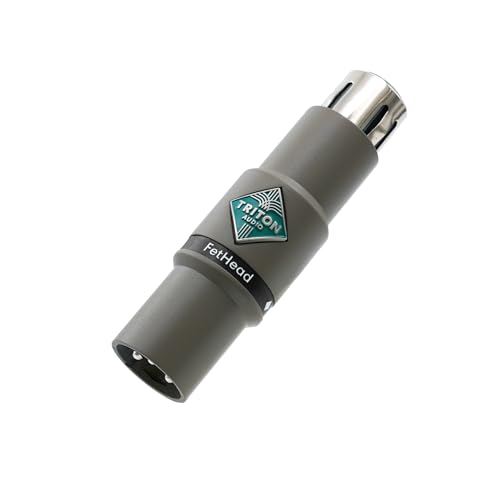
- Low-noise Class-A JFET amplifier
- Shielded enclosure
- Four matched JFETs
Best For: Compact recording setups needing an in-line JFET booster
Proven Mic Activator

- Up to +25 dB clean gain
- Phantom-powered operation
- Safe for passive ribbon mics
Best For: Podcasts, studios, and live setups using passive microphones
Tube-Color Gain

- Up to +40 dB adjustable gain
- Nutube warmth control
- USB-C rechargeable battery
Best For: Portable podcasting and recording with optional tube character
All-in-One Microphone

- Built-in +18 dB or +28 dB gain
- SM7B-style vocal character
- Onboard EQ switches
Best For: Users wanting integrated gain without a separate inline preamp
Flexible Mixer

- 10–60 dB adjustable gain
- XLR, 6.35mm, and 3.5mm connectivity
- Compact, low-noise metal enclosure
Best For: Podcasts, home studios, and live streaming with multiple inputs
Simple Inline Boost
Klark Teknik CT 1 Dynamic Mic Booster
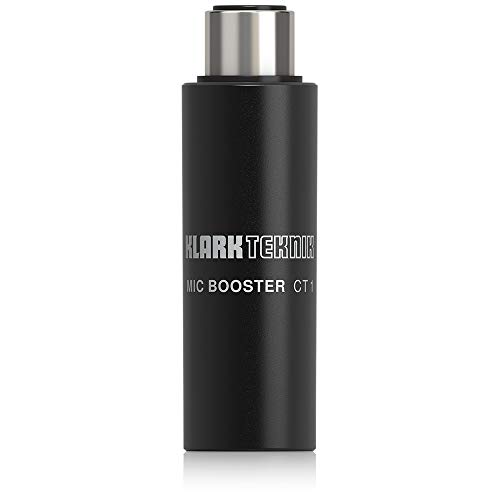
- Up to 25 dB of added gain
- Phantom-powered with no external supply
- Compact, rugged XLR design
Best For: Simple single-channel dynamic-mic gain boosting
Studio Control

- 0–72 dB adjustable gain
- −120 dBV EIN stated for low noise
- Mic, instrument, 48V, and USB-C support
Best For: Flexible studio, podcast, and mobile streaming setups
Best Clean-Gain Pick

- Up to 28 dB of transparent gain
- Compact inline XLR design
- Durable metal housing
Best For: Simple gain boosting for dynamic and passive ribbon microphones
Best Straightforward 25 dB Booster

- Provides 25 dB of clean gain
- Uses 48V phantom power from your system
- Designed for dynamic and ribbon mics
Best For: Podcasting, broadcast, and live sound with low-output microphones
Best Adjustable Pairing
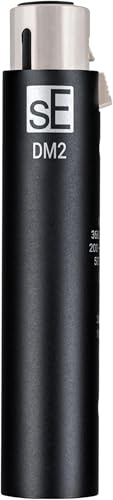
- Switchable +15 dB or +30 dB gain
- Eight impedance settings
- Compact inline XLR construction
Best For: Fine-tuning dynamic and passive ribbon microphone setups
Low-Noise Booster – Triton Audio FetHead
The Triton Audio FetHead is a compact in-line option for anyone building a microphone preamp for SM7B setup. Its low-noise Class-A JFET design is intended to add gain while keeping the signal path focused and shielded.
Best For: Home studios and recording chains that need a compact, low-noise in-line preamp.
Pros:
- Low-noise Class-A JFET amplifier design
- Double single-ended amplifier topology
- Shielded enclosure with four matched JFETs
Cons:
- Requires a compatible 24-volt setup
- Limited to the supplied two-channel specification
The FetHead is a straightforward choice when you want a small, shielded booster built around JFET amplification rather than extra tone-shaping controls.
Proven Mic Activator – Cloudlifter CL-1
The Cloudlifter CL-1 is a practical microphone preamp for SM7B users who need more clean gain from a standard XLR interface. It uses phantom power to provide up to +25 dB while preventing phantom power from reaching passive microphones.
Best For: Podcasting, streaming, voiceover, live sound, and studio recording with passive dynamic or ribbon microphones.
Pros:
- Provides up to +25 dB of microphone gain
- Uses +48V phantom power without passing it to the microphone
- Compatible with passive ribbon microphones and standard microphone inputs
- Stainless-steel enclosure and single-channel XLR connectivity
Cons:
- Requires phantom power from the connected interface or mixer
- Does not provide the tube coloration or onboard controls of some alternatives
The CL-1 is a well-established, single-channel solution for strengthening quiet microphone signals while preserving the natural sound of the microphone.
Tube-Color Gain – Xvive P2 Nutube Preamp
The Xvive P2 is a flexible microphone preamp for SM7B setups that need substantial gain and optional tube character. It offers up to +40 dB of adjustable gain, balanced XLR connections, and rechargeable operation without relying on phantom power.
Best For: Podcasters, streamers, vocalists, and home studios wanting adjustable clean gain or Nutube warmth.
Pros:
- Up to +40 dB of adjustable, low-noise gain
- Nutube 6P1 design adds selectable tube warmth and harmonic character
- USB-C rechargeable battery provides up to 10 hours per charge
- Balanced XLR input and output fit existing microphone chains
Cons:
- Rechargeable battery requires periodic charging
- Tube coloration may not suit users seeking strictly transparent gain
The P2 stands out for combining strong gain, portable battery operation, and tone controls in one compact unit, making it more versatile than a basic inline booster.
All-in-One Microphone – Shure SM7dB
The Shure SM7dB takes a different approach to a microphone preamp for SM7B needs by building the gain stage directly into the dynamic microphone. Selectable +18 dB or +28 dB of onboard gain can simplify the chain to the microphone, an XLR cable, and an interface.
Best For: Podcasters, streamers, and recording users who want SM7B-style voicing with integrated gain and EQ controls.
Pros:
- Built-in preamp offers selectable +18 dB or +28 dB gain
- Uses the SM7B’s warm, natural vocal character
- Rear-panel bass roll-off and mid-range presence controls shape the sound
- Cardioid pickup and air suspension help reduce room and handling noise
Cons:
- It is a complete microphone rather than an add-on preamp for an existing SM7B
- Requires corded operation through its XLR connection
For buyers who have not yet purchased an SM7B, the SM7dB can reduce equipment clutter by combining the familiar microphone platform with onboard gain and tonal adjustment.
Flexible Mixer – 3-Channel SM7B Gain Booster
If you need a versatile microphone preamp for SM7B setups, this compact unit combines up to 60 dB of gain with three-channel connectivity. Its balanced XLR path is suited to microphones, while the additional 6.35mm and 3.5mm connections support broader mixing and streaming configurations.
Best For: Podcasters, home-studio users, and live streamers who need flexible inputs and outputs in a portable enclosure.
Pros:
- Provides adjustable 10–60 dB gain for adding level to microphone signals.
- Offers three-channel connectivity with balanced XLR plus 6.35mm and 3.5mm connections.
- Includes 48V power and a fully balanced circuit designed for low-noise operation.
- Compact metal housing is easy to transport and helps reduce interference.
Cons:
- The 3.5mm and 6.35mm inputs are unbalanced.
- The supplied notes do not specify independent channel controls or detailed control layout.
This is a practical all-around choice when an SM7B-oriented preamp also needs to accommodate multiple sources and connection types. Choose it for flexibility rather than a minimalist single-channel setup.
Simple Inline Boost – Klark Teknik CT 1 Dynamic Mic Booster
The Klark Teknik MIC BOOSTER CT 1 is a straightforward microphone preamp for SM7B users who want extra gain without adding a separate power supply. This single-channel inline booster uses phantom power and connects through XLR, making it easy to place between a dynamic microphone and an interface or mixer.
Best For: Dynamic-microphone users who want a compact, uncomplicated gain boost for recording, speech, or video work.
Pros:
- Adds up to 25 dB of gain to dynamic microphone signals.
- Uses phantom power, so it does not require an external power supply.
- Works with almost any dynamic or passive ribbon microphone.
- Rugged construction is designed for dependable road use.
Cons:
- Its 25 dB maximum gain is lower than the gain range offered by the other listed preamps.
- It is a one-channel XLR device without the extra instrument or line connections found on more flexible preamps.
The CT 1 makes sense for a clean, space-saving signal-chain upgrade when your main priority is inline gain. Its limited connectivity is less suitable for users who need mixing, mobile outputs, or instrument input options.
Studio Control – RO-04 72 dB Mic Preamp
For demanding SM7B applications, the RO-04 is a microphone preamp for SM7B setups with a wide 0–72 dB gain range and a stated −120 dBV EIN. It also adds high-pass filtering, phase control, 48V phantom power, dual output levels, and separate microphone and instrument inputs for more adaptable recording and streaming rigs.
Best For: Studio, podcast, streaming, and mobile setups that need substantial clean gain, signal-matching flexibility, or simultaneous microphone and instrument use.
Pros:
- Offers adjustable 0–72 dB gain for low-output microphones such as the SM7B.
- Uses a stated −120 dBV EIN design to help maintain a low noise floor when adding gain.
- Provides separate mic and 1 MΩ instrument inputs, plus 48V phantom power.
- Supports professional and mobile streaming through dual outputs and USB-C or power-bank operation.
Cons:
- At 2.42 pounds, it is substantially less lightweight than the compact inline booster.
- The broader feature set may be more than needed for a basic one-microphone setup.
- The supplied notes do not identify the exact connector types for every output.
The RO-04 is the most feature-rich option here, particularly for users who need high gain, low stated input noise, and instrument compatibility. Its larger, heavier design is a reasonable trade-off for a more configurable desktop or mobile rig.
Best Clean-Gain Pick – SE Electronics DM1 Dynamite
If you need a straightforward microphone preamp for SM7B-style dynamic setups, the SE Electronics DM1 Dynamite adds up to 28 dB of clean, transparent gain without requiring a bulky desktop unit. Its inline XLR design is easy to place between the microphone and interface.
Best For: Podcasters, vocalists, and live-sound users who want simple, transparent gain for dynamic or passive ribbon microphones.
Pros:
- Provides up to 28 dB of clean gain for low-output dynamic and passive ribbon microphones.
- Compact ultra-slim form factor adds gain without taking up desk space.
- All-metal housing and gold-plated XLR connectors support reliable regular use.
- Transformerless FET circuitry is designed for low noise and minimal coloration.
Cons:
- It is a single-channel inline preamp with no onboard gain controls.
- The supplied specifications list a 16 kHz frequency response, which may be limiting for some recording applications.
- Its corded-electric design requires suitable phantom power from the connected system.
The DM1 Dynamite is a practical choice when your interface needs extra level for an SM7B-type microphone and you prefer a compact, plug-in solution over a separate preamp. Its fixed gain keeps operation simple, though users wanting adjustable gain should consider the DM2 TNT.
Best Straightforward 25 dB Booster – FC-1 Dynamic Mic Preamp
The FC-1 is a practical microphone preamp for SM7B setups that need more input level from a low-output dynamic microphone. It delivers 25 dB of clean gain from 48V phantom power supplied by your audio interface or an external power source.
Best For: Podcasting, broadcast, studio recording, live streaming, and live sound with dynamic or ribbon microphones.
Pros:
- Adds 25 dB of gain to help raise low-output microphone signals.
- Designed to preserve the microphone’s natural sound while improving signal strength.
- Can help reduce line noise over long cable runs and improve gain before feedback.
- Suitable for studio, broadcast, podcast, and live-event applications.
Cons:
- The FC-1 does not generate phantom power; it must receive 48V from an interface or external supply.
- It is not compatible with condenser microphones.
- The supplied details do not list adjustable gain or impedance controls.
Choose the FC-1 if you want a focused, no-frills booster for a dynamic microphone and already have phantom power available. Confirm your interface can provide 48V before buying, since the unit depends on it for operation.
Best Adjustable Pairing – sE Electronics DM2 TNT
For an SM7B-style setup that benefits from more control, the sE Electronics DM2 TNT combines two gain settings with eight selectable impedance options. This microphone preamp for SM7B applications lets you tailor the inline boost and loading to suit a dynamic or passive ribbon microphone.
Best For: Users who want adjustable gain and impedance matching for dynamic or passive ribbon microphones in studio, podcast, or live-sound setups.
Pros:
- Offers selectable +15 dB or +30 dB gain settings.
- Provides eight impedance options from 50 ohms to 10 megohms.
- Uses FET circuitry and a transformerless design for transparent operation.
- Compact metal construction includes gold-plated XLR connectors.
Cons:
- More settings may require additional setup compared with a fixed-gain booster.
- It is intended for dynamic and ribbon microphones rather than condenser microphones.
- The inline format provides one channel and no broader preamp features.
The DM2 TNT is the most flexible option here for dialing in an SM7B-type microphone or experimenting with different low-output sources. Its adjustable impedance and gain make it a stronger fit for users who want control, while the DM1 is simpler if fixed, clean gain is all you need.
How We Picked the Best Microphone Preamp for Sm7b
We focused on products that can provide meaningful, clean gain for the SM7B and other low-output dynamic or ribbon microphones. We considered gain range, noise performance, phantom-power requirements, connectivity, portability, construction, and ease of installation. We also included alternatives with different strengths, from simple inline boosters to units with mixing, filtering, phase, or high-impedance features.
Compatibility matters: most inline boosters require 48V phantom power from the audio interface or mixer, even though they do not pass phantom power to the microphone. Always confirm the power and connector requirements before buying.
Quick Comparison
- Simple inline gain: FetHead, Cloudlifter CL-1, Klark Teknik CT 1, SE DM1, SE DM2 TNT, and FC-1.
- Portable or rechargeable use: Xvive P2 is useful when you need a self-contained, flexible setup.
- Built-in microphone solution: The Shure SM7dB integrates a preamp directly into the microphone.
- More control and connectivity: The listed multi-function preamps offer broader gain ranges, multiple inputs, or studio-oriented controls.
Key Buying Factors for a Microphone Preamp for Sm7b
Gain and Noise
Look for enough clean gain to reach a healthy recording level without pushing your interface’s input control to its limit. The SM7B commonly benefits from roughly 20–30 dB of additional gain, although the ideal amount depends on your speaking volume, distance, interface, and recording target. More gain is not automatically better; low self-noise and stable operation are equally important.
Power and Signal Path
Inline boosters typically need phantom power, so check that your interface or mixer supplies 48V. A preamp with a balanced XLR path is generally the safest choice for reducing interference over typical studio cable runs. If you use ribbon microphones, verify that the design is appropriate for them and follow the manufacturer’s phantom-power guidance.
Features, Format, and Compatibility
Choose a compact inline unit when you want a plug-and-play solution. Select a fuller preamp if you need input flexibility, gain adjustment, mixing, filtering, phase control, or connections beyond standard XLR. Consider clearance behind the microphone, cable weight, desk space, and whether the device will travel frequently.
Who Should Buy Which Microphone Preamp for Sm7b?
For the simplest podcast setup: Choose a compact inline booster that adds clean gain with minimal controls. For demanding studio or broadcast work: Favor a model with strong noise performance and adequate headroom. For mobile creators: A rechargeable or self-contained design can reduce dependence on a powered interface. For maximum flexibility: Choose a unit with adjustable gain and extra signal-processing or connection options. For the most integrated solution: The SM7dB may appeal to buyers who want preamp functionality built into the microphone itself.
Before purchasing, check your interface’s available gain, phantom-power capability, cable arrangement, and intended recording environment. The best Microphone Preamp for Sm7b is the one that supplies clean headroom without adding unnecessary complexity to your signal chain.