If you want cleaner signal transfer, better noise rejection, and plenty of real-world power, a balanced power amplifier can be a smart upgrade for a serious home audio setup.
This roundup focuses on versatile models that pair well with DACs, streamers, preamps, bookshelf speakers, and compact home theater systems.
Best 10 Balanced Power Amplifier Picks for 2026
Balanced PFFB Desktop Amp
AIYIMA A70 TPA3255 Balanced Power Amplifier

- PFFB design for lower distortion and load independence
- Balanced XLR/TRS and RCA inputs with 12V trigger
- RCA/sub output with adjustable low-pass filtering
Best For: Desktop and small-room buyers who want balanced inputs and 2.1 flexibility
Ultra-Quiet Balanced Mini Amp
TOPPING Mini300 Compact Stereo Power Amplifier

- Fully balanced Class-D design for reduced noise
- Very low distortion with 124dB DNR/SNR
- Balanced TRS, RCA inputs, and TRIG auto sync
Best For: Desktop or studio users who want compact balanced performance
Bluetooth Balanced Chip Amp
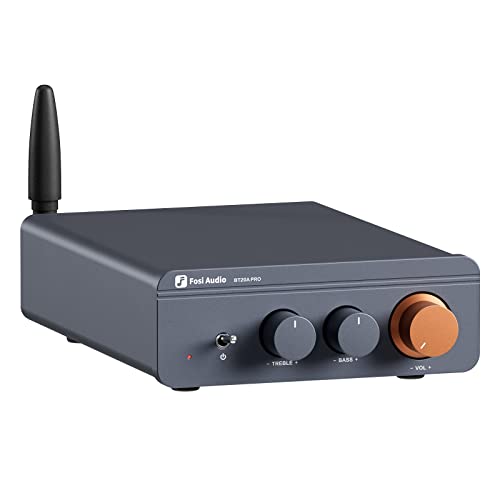
- TPA3255-based 2-channel amp with 300W x2 claim
- Bluetooth 5.0 with pairing memory and alert tone
- Bass and treble controls plus replaceable op-amps
Best For: Passive-speaker buyers who want Bluetooth and tone controls
Home Theater Balanced Power
Marantz MM7025 Stereo Power Amplifier
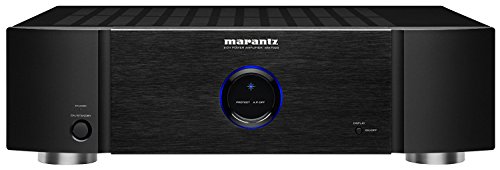
- Balanced XLR and RCA inputs for flexible hookup
- 140W per channel at 8 ohms for home audio use
- Quiet cooling and shallow chassis for easier placement
Best For: Home theater or stereo systems needing a full-size balanced amp
Balanced Stereo Amp
Fosi Audio ZA3 Balanced Stereo Amp

- Balanced XLR/1/4" TRS input support
- Stereo and mono operation up to 235W
- 12V trigger-in and swappable op-amps
Best For: Compact systems that need balanced input and flexible output modes
2.1 Balanced Hub

- Fully balanced XLR/RCA input options
- Adjustable HPF with subwoofer output
- Bypass mode and 12V trigger support
Best For: 2.1 home audio setups needing bass control and balanced connectivity
Compact Power Amp

- Compact stereo amp with up to 600W output
- TPA3255 chip with low-noise design
- Adjusted pre-out and op-amp rolling support
Best For: Small stereo systems that need strong output and easy integration
Desktop Hi-Res All-in-One
AIYIMA A80 Balanced Input DAC Amp

- TRS balanced input for cleaner connections
- ESS9038Q2M DAC with USB/optical/coax/Bluetooth
- TPA3255 Class D amp with remote and tone control
Best For: Compact hi-fi setups that need balanced input and digital flexibility
Mono Power for Home Theater
Fosi Audio Two V3 Balanced Monoblock

- 240W mono output for one passive speaker
- RCA and XLR/¼" TRS balanced inputs
- PFFB tech with auto sensing and strong cooling
Best For: Home theater and multi-channel systems needing one amp per speaker
Compact Mono Upgrade
Fosi Audio V3 Mono Balanced Amp

- 240W mono Class D output in a small chassis
- Balanced XLR/¼" TRS plus RCA inputs
- PFFB tech, auto sensing, and op-amp rolling
Best For: Small-scale home theater or speaker upgrades needing one clean channel
Balanced PFFB Desktop Amp – AIYIMA A70 TPA3255 Balanced Power Amplifier
If you want a balanced power amplifier for a compact hi-fi or desktop setup, the AIYIMA A70 stands out for its PFFB-equipped TPA3255 design, XLR/TRS balanced input support, and included 48V/5A GaN power supply. It’s built to minimize noise and distortion while adding practical system features like trigger linkage and subwoofer output for a flexible 2.1-channel setup.
Best For: Buyers who want a balanced Class D stereo amp with PFFB, sub output, and upgrade-friendly op-amps.
Pros:
- PFFB design is aimed at lower distortion and less load dependency.
- Balanced XLR/TRS input plus RCA input gives flexible source connection options.
- Includes RCA/sub output with adjustable low-pass filtering for 2.1 systems.
- Swappable op-amps and 12V trigger input add customization and system convenience.
Cons:
- Best suited to users who can make use of balanced inputs and extra features.
- Advanced customization may be more than a basic plug-and-play setup needs.
The A70 is a strong fit if you want more than a basic amp: it combines balanced connectivity, PFFB engineering, and subwoofer integration in one compact chassis. For listeners building a serious desktop or small-room system, it offers a lot of functionality for the size.
Ultra-Quiet Balanced Mini Amp – TOPPING Mini300 Compact Stereo Power Amplifier
The TOPPING Mini300 is a balanced power amplifier aimed at clean, compact performance, with a fully balanced Class-D design and very low distortion figures. Its balanced TRS and unbalanced RCA inputs make it easy to integrate with DACs, preamps, or audio interfaces, while the TRIG function helps it behave like part of a larger system.
Best For: Listeners and studio users who want a compact balanced amp with very low distortion and easy trigger sync.
Pros:
- Fully balanced amplification architecture helps reduce noise and interference.
- Very low distortion and strong dynamic specs for transparent playback.
- Supports both balanced TRS and unbalanced RCA inputs without adapters.
- TRIG-linked auto power sync makes system control simple.
Cons:
- At 140W x2 into 4 ohms, it is compact rather than a high-output brute.
- Focused on clean amplification, so it offers fewer lifestyle extras than some rivals.
The Mini300 is a good match if your priority is measured performance in a small footprint. It looks especially appealing for desktop audio or studio-monitor use where balanced connectivity and low-noise operation matter most.
Bluetooth Balanced Chip Amp – Fosi Audio BT20A Pro 300W x2
The Fosi Audio BT20A Pro is a balanced power amplifier option for users who want TPA3255-based stereo power with wireless convenience. Along with Bluetooth 5.0, it includes bass and treble controls, replaceable op-amps, and a low-idle-loss design, making it practical for everyday passive-speaker setups.
Best For: Buyers who want a compact Bluetooth amp with adjustable tone and upgradeable op-amps.
Pros:
- TPA3255 chip design supports strong 300W x2 output claims.
- Bluetooth 5.0 adds easy wireless playback with pairing memory.
- Bass and treble controls make it easy to tailor the sound.
- Replaceable op-amps allow some sound-shaping experimentation.
Cons:
- Does not offer balanced XLR/TRS inputs like some balanced amplifiers.
- Feature set is more focused on convenience than on advanced connectivity.
If you want a straightforward amp for passive speakers with wireless streaming built in, the BT20A Pro is an easy fit. It balances useful day-to-day controls with the flexibility of swap-in op-amps and a simple compact layout.
Home Theater Balanced Power – Marantz MM7025 Stereo Power Amplifier
The Marantz MM7025 is a traditional stereo power amplifier with both balanced XLR and single-ended RCA inputs, built for home theater or dedicated two-channel systems. With 140 watts per channel at 8 ohms, it focuses on current capability, quiet cooling, and a slim chassis that fits neatly into a rack or cabinet.
Best For: Home theater and stereo listeners who want a full-size 2-channel power amp with XLR connectivity.
Pros:
- Balanced XLR and RCA inputs support different system configurations.
- 140 watts per channel at 8 ohms provides substantial output for home audio.
- Designed for quiet heat dispersion, so fan noise stays unobtrusive.
- Shallow chassis makes placement easier in shelves and cabinets.
Cons:
- Larger and much heavier than compact desktop-style amplifiers.
- Fewer modern convenience features than newer compact models.
The MM7025 is a strong choice when you want a conventional power amp with balanced input support and serious home-theater-friendly output. It is less about extras and more about dependable amplification in a polished, rack-friendly form.
Balanced Stereo Amp – Fosi Audio ZA3 Balanced Stereo Amp
If you want a balanced power amplifier for a compact home audio setup, the Fosi Audio ZA3 is built around flexibility. It offers stereo and mono modes, balanced XLR/1/4″ TRS input support, and trigger-in integration, making it a practical fit for desktop systems, bookshelf speakers, and even a dual-unit mono build.
Best For: Listeners who want a compact balanced amp with easy system integration and upgrade options.
Pros:
- Balanced combo input supports XLR and 1/4″ TRS connections.
- Stereo and mono modes let you adapt output for different setups.
- 12V trigger-in helps it work cleanly with other gear.
- Swappable op-amps give you room to fine-tune the sound.
Cons:
- Best results depend on using the right power and speaker pairing.
- Its feature set may be more than a basic plug-and-play amp needs.
The ZA3 stands out if you want a balanced power amplifier that can grow with your system. Its noise-focused design, strong output ratings, and cooling improvements make it a versatile choice for users who value both connectivity and tuning potential.
2.1 Balanced Hub – AIYIMA A20 Balanced 2.1 Amp
The AIYIMA A20 is a balanced power amplifier aimed at users building a more integrated 2.1 system. With XLR/RCA inputs, adjustable HPF, sub out, bypass mode, and a 12V trigger, it is designed to handle both power amp duties and subwoofer integration in a single unit.
Best For: Buyers who want a balanced 2.1 amplifier with flexible bass management and system control.
Pros:
- Fully balanced design with XLR and RCA input switching.
- Adjustable HPF helps protect mains and improve clarity.
- Sub output and bypass mode support more advanced setups.
- 12V trigger makes it easier to automate the system.
Cons:
- Its 2.1 focus makes it less straightforward for simple stereo-only needs.
- More controls may be unnecessary for casual users.
As a balanced power amplifier, the A20 is strongest when you need control as much as output. Its low distortion, high SNR, and bass-management features make it a smart pick for a refined home audio system with a subwoofer.
Compact Power Amp – Fosi Audio V3 Stereo Amp
The Fosi Audio V3 is not a balanced power amplifier, but it is a strong option if you want a compact stereo amp with serious output. It uses the TPA3255 chip, offers a high power ceiling, and adds an improved pre-out design that makes it easier to integrate into a flexible home audio setup.
Best For: Buyers who want a small, high-output stereo amplifier with simple system expansion options.
Pros:
- Compact chassis with up to 600W output capability.
- TPA3255 platform with low noise and low distortion claims.
- Improved pre-out level control adds setup flexibility.
- Swappable op-amps allow sound tuning.
Cons:
- Does not offer balanced input connectivity.
- Best suited to users who do not need mono or 2.1 features.
The V3 is a practical choice for a minimalist stereo system where size and output matter more than balanced connectivity. If your priority is a straightforward amplifier with upgrade-friendly design, it delivers a lot in a small footprint.
Desktop Hi-Res All-in-One – AIYIMA A80 Balanced Input DAC Amp
If you want a balanced power amplifier that also handles digital sources, the AIYIMA A80 is built as an all-in-one desktop and home audio solution. It combines a TPA3255 Class D amp with an ESS9038Q2M DAC, plus balanced TRS input, USB, optical, coaxial, Bluetooth, and tone control for flexible everyday use.
Best For: Listeners who want a compact amplifier/DAC with balanced input support and plenty of source options.
Pros:
- TRS balanced input helps reduce EMI and speaker hiss.
- Built-in ESS9038Q2M DAC supports DSD256 and high-resolution PCM playback.
- TPA3255 amp is rated up to 300W x 2 with low reported distortion.
- Includes digital VU meter, pre-out, sub pre-out, remote, and 12V trigger support.
Cons:
- Feature-rich design may be more than needed for simple analog setups.
- Compact all-in-one units can be less modular than separate components.
The A80 stands out if you want balanced connectivity in a compact amplifier with DAC functionality built in. It is a practical choice for a desktop rig, small hi-fi system, or TV audio setup where convenience and source flexibility matter.
Mono Power for Home Theater – Fosi Audio Two V3 Balanced Monoblock
The Fosi Audio Two V3 is a balanced power amplifier built as a mono block, so it drives one passive speaker per amp with strong output and simple system scaling. With RCA and XLR/¼” TRS balanced inputs, PFFB technology, and a TPA3255 core, it is aimed at users building or expanding a home audio or theater system.
Best For: Anyone assembling a multi-channel system who wants a compact mono amp with balanced inputs.
Pros:
- Delivers up to 240W at 4Ω for a single speaker.
- Balanced XLR/¼” TRS and RCA inputs with easy selection.
- PFFB design is intended to improve distortion and frequency response.
- Features efficient heat dissipation and auto power/signal sensing.
Cons:
- Mono design means you need two units for stereo listening.
- Best value depends on whether your system can use balanced inputs.
This model makes sense if you are building a system around separate mono amplification rather than a single stereo box. Its balanced input support, cooling design, and high-output rating make it a strong fit for home theater and multi-channel upgrades.
Compact Mono Upgrade – Fosi Audio V3 Mono Balanced Amp
The Fosi Audio V3 Mono is a compact balanced power amplifier for users who want a single-channel Class D amp with serious output. It pairs the TPA3255 chip with PFFB technology, RCA and XLR/¼” TRS balanced inputs, and a full-body heat dissipation design for home audio or AV receiver use.
Best For: Buyers who want a small mono amplifier for a home theater channel or speaker upgrade.
Pros:
- Up to 240W at 4Ω from a compact monoblock design.
- Balanced XLR/¼” TRS and RCA inputs with gain selection.
- PFFB technology is designed to improve load handling and frequency response.
- Includes auto power/signal sensing and op-amp rolling support.
Cons:
- Mono format is not a stand-alone stereo solution.
- Requires careful setup since speaker connections must be made with power off.
For buyers comparing balanced power amplifier options, the V3 Mono is the straightforward pick if you need one strong channel in a small footprint. It offers the same core idea as larger mono amps, but with a more compact and budget-friendly implementation.
How We Picked the Best Balanced Power Amplifier
We looked for Balanced Power Amplifier options that combine useful input flexibility, credible power delivery, low-noise design, and good value for modern home audio systems. We also prioritized models that make sense for both desktop and living-room use, including compact stereo amps, mono blocks, and 2.1-channel designs.
Quick Comparison
The main differences come down to power output, channel layout, and connectivity. Stereo units are the simplest choice for two-speaker setups, mono amplifiers work best when you want separate left/right channels or more headroom, and 2.1 models add bass management for systems with a subwoofer.
Key Buying Factors for a Balanced Power Amplifier
Inputs and Signal Path
Look for XLR and RCA support if you want maximum compatibility. Balanced inputs are especially useful when your source or preamp offers them, but a well-designed amp should still integrate easily with standard unbalanced gear.
Power and Speaker Matching
Match the amplifier’s output to your speaker sensitivity and room size. Higher wattage can help with demanding towers or lower-sensitivity bookshelves, but clean power and stable performance matter more than inflated headline numbers.
Noise, Distortion, and Design Quality
A Balanced Power Amplifier should minimize hiss, hum, and distortion at normal listening levels. Class D designs can be excellent here when implemented well, especially when paired with strong power supplies and thoughtful feedback or filtering circuits.
Features That Add Real Value
Bluetooth, DAC inputs, sub out, high-pass filtering, and mono/stereo switching can all be useful, but only if they fit your system. Avoid paying extra for features you won’t use.
Who Should Buy Which Balanced Power Amplifier?
Choose a compact stereo model if you want a simple upgrade for passive bookshelf speakers. Pick a mono amplifier if you’re building a higher-end two-channel rig or want a tighter left/right separation. If you need deeper bass control, a 2.1-channel amp is the most practical choice. And if you already own a balanced source chain, prioritize XLR input support so your Balanced Power Amplifier can slot in without adapters or compromises.
For most buyers, the best choice is the model that matches your speaker load, source gear, and room size—not the one with the biggest wattage claim. Focus on clean integration first, then power, then extra features.