Classical music exposes everything: imaging, tonal balance, treble smoothness, and how naturally a headphone handles strings, brass, and hall ambience. That makes planar headphones especially appealing when you want precise detail without losing scale.
Below, we focus on models that can present orchestral music with clarity and separation, from affordable choices to premium audiophile options.
Best 10 Planar Headphones for Classical Music Picks for 2026
Warm Tonal Choice
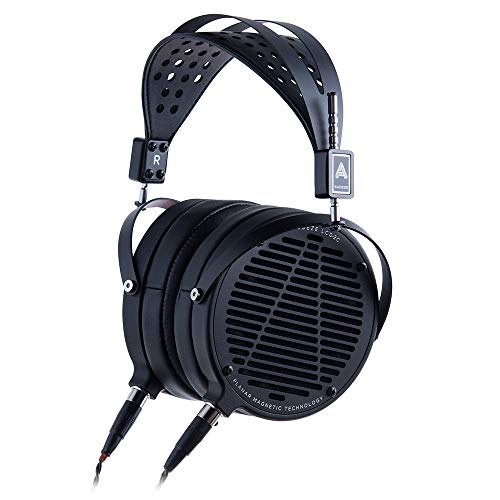
- 100mm planar drivers with strong impulse response
- Warm, slightly relaxed tuning
- Steel suspension headband and memory foam pads
Best For: Listeners who want a warmer planar sound for classical music
Wireless ANC Alternative

- Wireless planar earbuds with adaptive hybrid ANC
- Supports LDAC, LHDC 5.0, and aptX Lossless
- Wear sensor and multipoint connectivity
Best For: Portable classical listening with wireless convenience and noise cancellation
Budget Studio Monitor
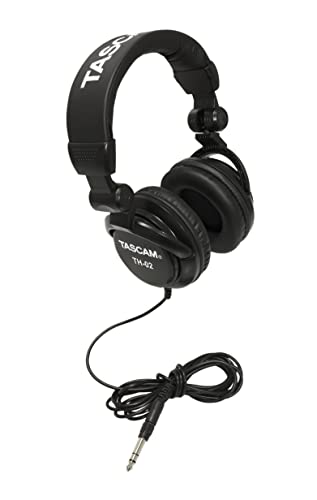
- Closed-back wired over-ear design
- 50mm dynamic drivers with clean sound
- Foldable build and 1/4-inch adapter
Best For: Budget-minded buyers needing a simple wired over-ear headphone
Reference-Grade Detail
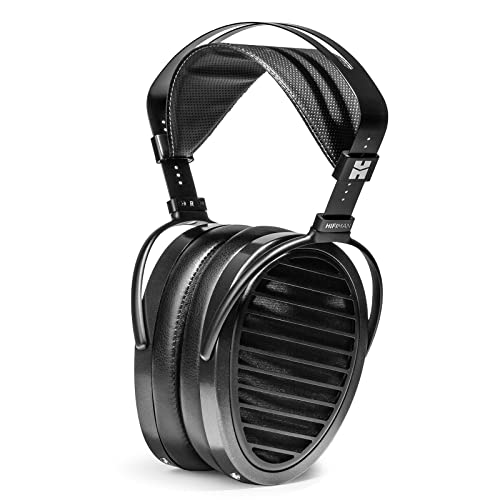
- Stealth magnets aim to reduce wave interference.
- Nanometer-thin diaphragm supports accurate planar sound.
- Open-back design favors a wide, airy presentation.
Best For: listeners who want an airy, highly resolving open-back planar for orchestral works
Warm Wooden Presentation

- Built to present the delicacy of classical music clearly.
- Open-back planar design creates an airy soundstage.
- Detachable cable and adapters add flexibility.
Best For: buyers who want a handsome open-back planar for classical and vocal music with a spacious feel
Large-Stage Studio Choice

- 97mm diaphragm targets high-resolution, low-distortion sound.
- Open-back grille supports a wide, holographic stage.
- Memory-steel headband helps comfort during long sessions.
Best For: listeners who want a spacious, studio-style open-back planar with strong detail and comfort for long sessions
Hybrid IEM Pick
KZ Duonic Planar Magnetic Dual-Driver IEM

- Triple-magnet planar driver for high-resolution detail
- Hybrid planar + dynamic design for balanced sound
- Secure fit with strong passive noise isolation
Best For: Portable classical listening when isolation and detail are priorities
Premium Open-Back Choice
MEZE AUDIO Poet Planar Open-Back Headphones

- Open-back planar design with airy, separated sound
- AMTS tuning helps reduce high-frequency fatigue
- Replaceable parts and magnetic earpads improve serviceability
Best For: Home listeners who want a refined premium planar open-back
Value Open-Back Pick
HIFIMAN Edition XS Planar Magnetic Headphones
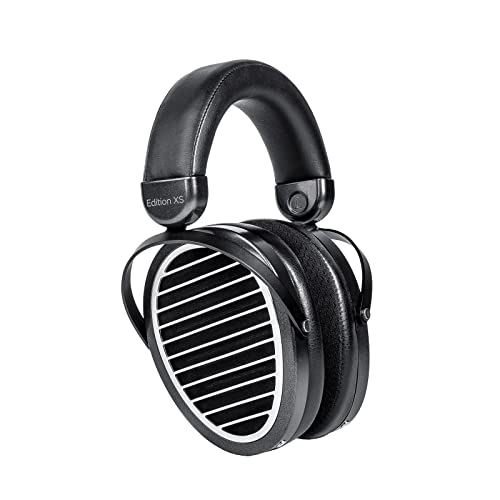
- Wide soundstage suits orchestral and chamber music
- Stealth Magnets and thin diaphragm aim for low distortion
- Lightweight, comfortable design for long sessions
Best For: Budget-conscious home listeners wanting spacious planar sound
Open-Back Planar Pick – HIFIMAN Sundara
If you’re comparing planar headphones for classical music, the HIFIMAN SUNDARA is built for listeners who want speed, detail, and a wide frequency range from a wired open-back design. Its 80% thinner diaphragm and 6 Hz to 75 kHz response make it a strong fit for strings, piano, and orchestral texture where fine separation matters.
Best For: Classical listeners who want a detailed, fast-sounding planar headphone for home listening or studio use.
Pros:
- Ultra-thin planar diaphragm is designed for faster, more detailed playback.
- Wide 6 Hz to 75 kHz frequency range supports nuanced classical recordings.
- Metal headband and detachable 3.5 mm connector add durability.
- Weight-spreading strap improves long-session comfort.
Cons:
- No noise control, so it is best in quiet environments.
- Wired only, with no wireless convenience.
- Open-over-ear design may not suit portable or shared spaces.
For classical music, the Sundara leans into clarity and responsiveness rather than warmth, which can help reveal orchestral layers and hall detail. If you want a sturdy planar headphone with a more analytical presentation, it is an easy model to shortlist.
Warm Tonal Choice – Audeze LCD-2 Classic
Among planar headphones for classical music, the Audeze LCD-2 Classic is aimed at listeners who prefer a warmer, more relaxed sound. Its 100mm planar magnetic drivers are described as having superior impulse response and very strong bass response, while the open-back design and handcrafted build make it a serious home listening option.
Best For: Classical fans who prefer a warm, weighty presentation with strong low-end support.
Pros:
- 100mm planar magnetic drivers are designed for realistic, fast response.
- Warm tonality can flatter long listening sessions.
- Steel suspension headband and memory foam earpads improve comfort.
- Includes a carry case at no additional cost.
Cons:
- Sound is noted as slightly warmer than the regular LCD-2.
- Open-back design is not ideal for noisy environments.
- No portability-focused features beyond the carry case.
If you like classical recordings with a fuller, smoother presentation, the LCD-2 Classic is a compelling planar option. It should appeal most to listeners who value tonal richness and bass authority over a brighter, more clinical balance.
Wireless ANC Alternative – Edifier STAX Spirit S10
If you want planar headphones for classical music without giving up wireless convenience, the Edifier STAX Spirit S10 stands out as a compact earbud option. It uses a planar magnetic driver with an ultra-thin 10μm diaphragm, supports Hi-Res codecs like LDAC and LHDC 5.0, and adds adaptive hybrid ANC for listening in more places.
Best For: Classical listeners who want wireless planar sound, noise cancellation, and a compact everyday design.
Pros:
- World’s first wireless planar magnetic noise-canceling earbuds.
- Supports Snapdragon Sound, LDAC, LHDC 5.0, and aptX Lossless.
- Adaptive hybrid ANC adds useful isolation.
- Wear sensor, multipoint, and 7 ear tip sizes improve convenience.
Cons:
- Battery life is listed at 6 hours.
- Earbud format won’t match the sound stage of full-size headphones.
- Best results depend on wireless codec support from your device.
This is a practical pick if you want planar detail in a more portable form factor. For classical listening on the go, the S10 combines advanced wireless features with planar driver technology in a way that is unusually versatile.
Budget Studio Monitor – TASCAM TH-02
The TASCAM TH-02 is not a planar model, but it can still serve as a budget-friendly wired over-ear option for classical music if you want a straightforward studio-monitor style headphone. Its closed-back dynamic design emphasizes clean sound, rich bass response, and crisp highs, with a foldable build and included 1/4-inch adapter for flexible use.
Best For: Buyers who want an inexpensive wired over-ear headphone for general music listening and monitoring.
Pros:
- Closed-back design offers passive noise isolation.
- 50mm dynamic drivers deliver clean sound and crisp highs.
- Foldable build makes transport easier.
- Includes a snap-on 1/8-inch to 1/4-inch adapter.
Cons:
- Not a planar magnetic headphone.
- Sound profile is tuned more for general monitoring than classical-specific detail.
- Plastic enclosure is less premium than metal-heavy alternatives.
For classical music, the TH-02 is best viewed as an affordable utility headphone rather than a specialist listening tool. It makes sense if you need a simple wired model with comfortable padding and basic studio-style features.
Reference-Grade Detail – HIFIMAN Arya Stealth
If you want planar headphones for classical music with a wide, precise presentation, the HIFIMAN Arya Stealth is built around detail retrieval and low distortion. Its open design, stealth magnets, and nanometer-thin diaphragm are aimed at keeping orchestral textures clear while preserving a spacious, natural listen.
Best For: listeners who want an airy, highly resolving open-back planar for orchestral works and other detail-heavy recordings.
Pros:
- Stealth magnet design is intended to reduce diffraction and preserve clean sound waves.
- Nanometer-thick diaphragm supports accurate, full-range planar playback.
- Open-back build with Window Shade system helps create an expansive presentation.
- Lightweight construction and asymmetrical ear cups add comfort for longer sessions.
Cons:
- Open-back design offers no noise isolation.
- Wired-only connection limits use to compatible devices with a 3.5mm audio jack.
- At 430 g, it is not the lightest option in the group.
For classical music, the Arya Stealth focuses on clarity, stage width, and low coloration rather than warmth or isolation. If your priority is hearing orchestral separation and fine instrumental detail, it fits that brief very well.
Warm Wooden Presentation – SIVGA P2 PRO
The SIVGA P2 PRO is a strong pick if you want planar headphones for classical music with an open, transparent character and a refined visual finish. Its open-back planar driver, red oak housings, and 6N OOC cable are all aimed at a clear, airy sound that can work well with delicate acoustic recordings.
Best For: buyers who want a handsome open-back planar for classical and vocal music with a spacious feel.
Pros:
- Designed to present the delicacy of classical music clearly.
- Open-back planar design supports a wide, airy soundstage.
- Red oak housings and stainless steel mesh give it a distinctive premium look.
- Detachable cable and included adapters add useful flexibility.
Cons:
- Open-back construction provides no noise control.
- At 435 g, it may feel substantial during long sessions.
- Wired use only, so it depends on your source gear and cabling.
For orchestral and chamber music, the P2 PRO leans into clarity and openness, with the notes emphasizing a transparent, brighter presentation. It is a practical choice if you value classical detail and also want a more traditional wooden headphone design.
Large-Stage Studio Choice – Fosi Audio i5
If you are shopping for planar headphones for classical music and want a big, immersive presentation, the Fosi Audio i5 stands out with its 97mm ultra-large diaphragm and open-back grille. The design emphasizes low distortion, fast transient response, and a holographic soundstage, which can help symphonies and large ensembles feel more layered.
Best For: listeners who want a spacious, studio-style open-back planar with strong detail and comfort for long sessions.
Pros:
- 97mm ultra-large diaphragm is tuned for microscopic detail and high-resolution playback.
- Open-back grille and symmetrical magnets are intended to support an expansive, low-resonance soundstage.
- Memory-steel headband and adjustable earcups are built for long-session comfort.
- Walnut wood chambers and CNC aluminum frame give it a premium build.
Cons:
- Open-back design means no isolation.
- Wired-only connection may not suit casual listening setups.
- At 28 ohm, it still depends on matching with your source gear for the best results.
The i5 is aimed at listeners who want a large, accurate stage rather than a closed-in or heavily colored sound. For classical music, that combination of space, detail, and comfort can be especially appealing during longer listening sessions.
Hybrid IEM Pick – KZ Duonic Planar Magnetic Dual-Driver IEM
If you want planar headphones for classical music in a compact, noise-isolating format, the KZ Duonic brings a hybrid planar magnetic + dynamic driver setup aimed at detail, separation, and clean micro-transients. Its tuning is built for studio-style listening, while the deep insertion fit and up to 36 dB of isolation can help keep quiet passages more audible in everyday environments.
Best For: Classical listeners who want a portable, isolating planar-style IEM with strong detail retrieval.
Pros:
- Triple-magnet planar magnetic structure is designed for high-resolution detail and micro-transient recovery.
- Hybrid dual-driver design pairs planar speed with dynamic-driver low-end support.
- Comfort-fit ear hooks and silicone tips aim for secure wear and strong passive isolation.
- Detachable 0.78mm 2-pin cable adds flexibility and serviceability.
Cons:
- In-ear fit will not suit listeners who prefer open, speaker-like staging.
- Noise isolation can be great for focus, but it is less natural than open-back headphones for shared home listening.
- The tuning is described as studio-oriented rather than explicitly tailored to orchestral presentation.
For buyers comparing planar headphones for classical music, the Duonic makes the most sense when isolation and detail matter more than a wide open-back soundstage. It is a practical choice for commuting, practice, or focused listening where its hybrid design can help bring out fine textures in strings and winds.
Premium Open-Back Choice – MEZE AUDIO Poet Planar Open-Back Headphones
The MEZE AUDIO Poet is a strong fit if you are shopping for planar headphones for classical music and want an open-back presentation with airy vocals, precise bass impact, and clear separation. Its planar magnetic drivers and Acoustic Metamaterial Tuning System are aimed at refined, less fatiguing listening, which can suit long orchestral sessions at home.
Best For: Audiophiles who want a premium open-back planar headphone for detailed home listening.
Pros:
- Rinaro Isodynamic Hybrid Array MZ6 drivers are built for detail retrieval and separation.
- AMTS is used to attenuate high-frequency peaks for a less fatiguing sound.
- Open-back over-ear design can suit spacious, natural classical playback.
- Replaceable parts and magnetic earpads improve serviceability.
Cons:
- Open-back design leaks sound and is not ideal for noisy shared spaces.
- It is wired only, so it is less convenient for casual portable use.
- Premium construction and accessories place it in a higher-end category.
Among planar headphones for classical music, the Poet stands out for listeners who value airy presentation, controlled treble, and easy long-term maintenance. If you mainly listen at a desk or in a dedicated room, its tuning and replaceable design make it an appealing enthusiast option.
Value Open-Back Pick – HIFIMAN Edition XS Planar Magnetic Headphones
The HIFIMAN Edition XS is a well-known open-back planar magnetic option for classical music fans who want a wide soundstage and detailed imaging without moving into ultra-premium pricing. Its Stealth Magnet design and thin NEO supernano diaphragm are built for low distortion and fast response, which can help orchestral layers feel more open and organized.
Best For: Home and studio listeners who want an affordable open-back planar with a large soundstage.
Pros:
- Stealth Magnet Technology is designed to reduce wave interference and distortion.
- NEO supernano diaphragm aims for fast response and detailed imaging.
- Wide, natural soundstage is especially useful for orchestral recordings.
- Lightweight headband and memory foam support long listening sessions.
Cons:
- Open-back construction is not suitable for quiet isolation or public use.
- It is wired and needs a compatible 3.5 mm source or adapter.
- The sound signature is described broadly rather than as a dedicated classical tuning.
If your priority is spaciousness, separation, and long-session comfort, the Edition XS is one of the more practical planar headphones for classical music in its class. It is best when paired with a quiet room, where its large stage can give symphonies and chamber music room to breathe.
How We Picked These Planar Headphones for Classical Music
We prioritized headphones that suit orchestral and chamber recordings, with an emphasis on soundstage, separation, low distortion, and treble that stays detailed without becoming sharp. Comfort, build quality, and ease of use also mattered, since long listening sessions are common with classical repertoire.
Quick Comparison
For classical listeners, the best options usually fall into three groups: open-back over-ear models for the widest stage, premium planars for the most refined resolution, and portable or budget-friendly picks for casual listening. Open-back designs often give strings and reverberation more air, while closed or in-ear designs are better if you need isolation or travel use.
Key Buying Factors for Planar Headphones for Classical Music
Soundstage and Imaging
A wide, stable soundstage helps separate violins, woodwinds, choir, and percussion. Strong imaging matters as much as width, especially in symphonies where instrument placement affects realism.
Tonal Balance
Look for neutral-to-slightly-warm tuning. Too much bass can mask cellos and lower mids, while overly bright treble can make strings sound thin or fatiguing.
Detail Without Harshness
Planar drivers are known for fast transients and fine detail, which can reveal bow texture and hall decay. The goal is clarity that remains smooth during extended listening.
Comfort and Fit
Classical albums and live recordings can run long, so clamp force, pad material, and weight are important. A comfortable fit often matters more than small differences in specs.
Open-Back Vs. Portable Designs
If you listen at home in a quiet room, open-back models are usually the best choice. If you need isolation, consider wireless ANC or IEM options, but expect a smaller stage than full-size open-backs.
Who Should Buy Which Planar Headphones for Classical Music?
Choose a spacious open-back planar if you want the most natural presentation of symphonies and chamber works. Pick a more affordable model if you want strong detail and a balanced sound without overspending. Go premium if you value microdetail, layering, and the most lifelike orchestral scale. If you need isolation for commuting or shared spaces, a planar IEM or ANC-friendly option makes more sense than an open-back headphone.
In short, the best Planar Headphones for Classical Music are the ones that combine openness, accuracy, and comfort in a way that matches your listening environment and budget.