Choosing among the best guitar effects processors for beginners can be difficult when compact pedals offer everything from basic distortion to amp modeling, looping, drum patterns, and rechargeable operation.
This roundup compares 10 options across simple practice pedals, expression-equipped units, and more advanced processors so you can match features and price to your playing goals.
Best 10 Guitar Effects Processors for Beginners Picks for 2026
Most Versatile Practice Pick

- 71 effects and 13 amp models
- Expression pedal included
- Looper, rhythms, tuner, and headphone output
Best For: Beginners wanting broad tone exploration and hands-on practice features
Best Compact BOSS Option

- BOSS GT-series sound engine
- Built-in expression pedal and control switch
- Up to seven hours from four AA batteries
Best For: Beginners seeking portable BOSS tones and straightforward patch editing
Best Simple Practice Value
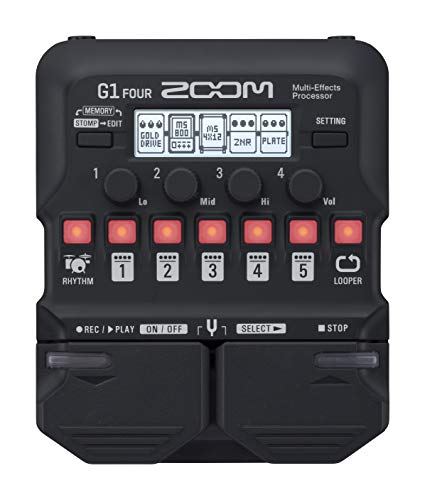
- 65 effects and 13 amp models
- Looper, 68 rhythms, and tuner
- Aux input with amp or headphone output
Best For: Beginners seeking core multi-effects and practice tools
Best Beginner-Friendly Preset Library

- 80 factory and 80 user patches
- 66 effects across eight modules
- Looper, drums, tuner, and learning tools
Best For: Beginners building tones and practicing at home
Best Guided Practice Features
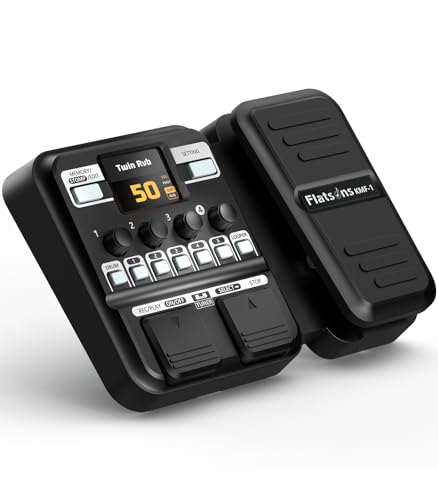
- 77 effects with 18 amp and cabinet models
- Looper, tuner, drums, and AUX input
- Clear LCD with stomp and edit modes
Best For: Beginners practicing with backing tracks and presets
Most Versatile

- 200 presets and 170 effects with extensive amp and cab modeling
- Four footswitches, expression pedal, looper, and drum machine
- USB-C, OTG recording, AUX input, and headphone output
Best For: Beginners who want extensive tones and room to advance
Best Portable Practice Pick

- Nine amp models, eight IR cabinets, and core effects
- Rechargeable battery provides approximately 6–8 hours of use
- Bluetooth playback, headphone output, and mobile recording
Best For: Portable, quiet practice and straightforward recording
Best for Expanding Tones
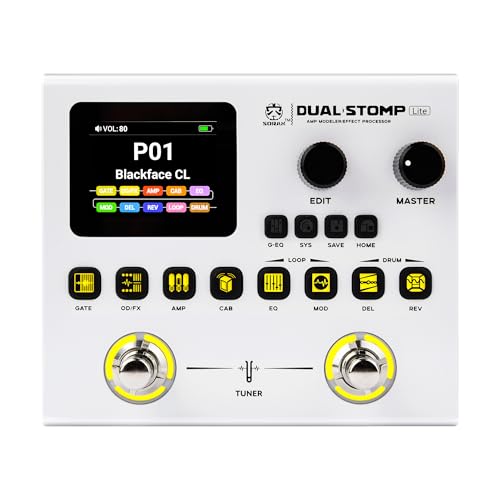
- 125 effects, 99 presets, and 10 simultaneous effect modules
- 20 NAM/IR slots for importing third-party tones
- USB audio, looper, drum rhythms, tuner, and color display
Best For: Beginners planning to explore recording and tone customization
Most Versatile Practice Pick – Zoom G1X Four
For beginners comparing guitar effects processors for beginners, the Zoom G1X Four offers a broad starting point without requiring separate pedals. Its 71 effects, 13 amp models, expression pedal, looper, rhythm patterns, tuner, and headphone-ready output support practice, tone exploration, and basic recording.
Best For: Beginners who want an expression pedal, guided practice features, and plenty of sounds to explore.
Pros:
- Includes 71 effects and 13 amp models.
- Built-in expression pedal adds real-time control.
- 30-second looper and 68 rhythm patterns support practice and songwriting.
- Aux input and headphone or amp output allow flexible practice setups.
Cons:
- Its large effect and amp selection may take time for a new player to learn.
- Battery power and the included connectivity options may require extra setup depending on your rig.
The G1X Four is a strong all-around beginner choice when hands-on control and practice tools matter as much as the number of available tones.
Best Compact BOSS Option – BOSS GT-1
The BOSS GT-1 is a compact choice for beginners seeking guitar effects processors for beginners with a polished, portable design. Its GT-series sound engine, wide selection of amps and effects, assignable control switch, expression pedal, USB connection, and battery operation make it suitable for home practice and mobile playing.
Best For: Beginners who prioritize BOSS tones, portability, and quick patch adjustment.
Pros:
- Uses the BOSS GT-series engine with a broad selection of amps and effects.
- Built-in expression pedal and assignable control switch provide real-time control.
- Easy Select and Easy Edit functions simplify patch selection and tweaking.
- Four AA batteries provide up to seven hours of playing time according to the supplied notes.
Cons:
- The interface offers many options that may require a learning period.
- It does not list a built-in looper or rhythm section in the supplied details.
Choose the GT-1 if you want a lightweight, battery-powered unit centered on BOSS’s established amp and effects ecosystem.
Best Pocket-Sized Feature Set – SONICAKE QME-10 Pocket Master
The SONICAKE QME-10 Pocket Master stands out among guitar effects processors for beginners who want a small, modern setup. It combines more than 100 guitar, bass, and acoustic effects with amp modeling, drum rhythms, a looper, rechargeable power, Bluetooth audio, and USB audio support in a pocket-sized unit.
Best For: Beginners who want portable practice, mobile-device connectivity, and support for multiple instrument types.
Pros:
- Provides 100-plus built-in effects, 20 amp models, 99 drum rhythms, and a looper.
- Rechargeable battery and compact 208 g design suit travel and on-the-go practice.
- Supports USB audio, OTG connections for iOS and Android, and Bluetooth audio.
- Includes adjustable signal routing, user IR slots, and software for sound editing.
Cons:
- Its extensive features and software options may be more involved than a basic beginner pedal.
- The supplied warranty description is 90 days.
- Its pocket-sized controls may not feel as immediate as a larger floor unit.
The QME-10 is compelling when portability and connectivity are priorities, especially for beginners who may also explore bass, acoustic guitar, or mobile recording.
Best Simple Practice Value – Zoom G1 Four
The Zoom G1 Four is a straightforward entry point for beginners shopping for guitar effects processors for beginners. It supplies 65 built-in effects, 13 amp models, a looper, 68 rhythm patterns, a tuner, and amp or headphone output, giving new players useful tools without requiring a collection of individual pedals.
Best For: Beginners who want an affordable-feeling, practice-focused multi-effects unit with core features.
Pros:
- Includes 65 guitar effects and 13 amp models.
- 30-second looper and 68 rhythm patterns encourage structured practice.
- Aux input supports external audio players for play-along sessions.
- Offers amp and headphone output plus battery-powered operation.
Cons:
- It lacks the built-in expression pedal included with the G1X Four.
- It lists fewer effects than the G1X Four.
- Its feature set is focused on core practice and tone exploration rather than advanced connectivity.
The G1 Four makes sense for a beginner who wants essential effects, rhythm support, and looping in a familiar, uncomplicated format.
Best Beginner-Friendly Preset Library – MOOER GE100
The MOOER GE100 is a practical choice for beginners who want guitar effects processors for beginners with plenty of ready-made sounds and simple controls. Its 80 factory patches, 80 user patches, 66 effects, built-in tuner, and learning functions give new players room to explore without needing additional equipment.
Best For: Beginners building a versatile tone library and practicing at home.
Pros:
- Includes 80 preset patches and 80 user patches for saving custom tones.
- Offers 66 effect types across eight effect modules.
- Includes a 180-second looper, drum machine, tuner, headphone output, and adjustable output mode.
- Scale and chord learning functions support early practice.
Cons:
- Uses a comparatively modest 180-second looper and 40 drum rhythms.
- Requires a 9V adapter or four AA batteries for power.
The GE100 emphasizes approachable experimentation: beginners can start with presets, save favorites, and gradually learn how effects work. Its expression pedal and practice tools make it especially useful for learning and home playing.
Best All-in-One Upgrade – Valeton GP-180
The Valeton GP-180 is aimed at beginners who want guitar effects processors for beginners with features that can remain useful as their setup grows. It combines more than 200 effects, amp and cabinet modeling, IR and NAM support, a rechargeable battery, USB audio, Bluetooth, and flexible MIDI connectivity.
Best For: Beginners who want a feature-rich processor for practice, recording, and future live use.
Pros:
- Provides over 200 effects and supports up to 12 effect modules simultaneously.
- Includes IR support, NAM file conversion, and storage for up to 100 SnapTone files.
- Built-in 3000mAh battery offers over six hours of playtime.
- Functions as a 6-in/4-out USB audio interface for Windows, Mac, iOS, and Android.
Cons:
- The extensive modeling, routing, MIDI, and file-support features may take longer for beginners to learn.
- Its advanced connectivity may be more than needed for simple practice.
The GP-180 is the most expandable option in this group. Its rechargeable operation and broad connectivity suit players who expect to record, edit sounds wirelessly, or add external controllers later.
Best Guided Practice Features – Flatsons KMF-1
The Flatsons KMF-1 is a beginner-friendly option among guitar effects processors for beginners, pairing 50 preset patches with 77 effects, an intuitive LCD screen, and useful practice features. Its amp and cabinet simulations cover a broad range of tones, while AUX input makes it easy to play along with phone-based backing tracks.
Best For: Beginners who want guided practice, straightforward tone switching, and broad amp-model variety.
Pros:
- Includes 77 effects, 18 amp models, and 18 cabinet simulators.
- Offers 50 presets, a tuner, 30-second looper, and 42 drum rhythms.
- AUX input supports playing along with backing tracks.
- Stomp Mode, Edit Mode, and a 2-in-1 expression pedal provide room to customize sounds.
Cons:
- Battery operation lasts up to 2.5 hours and uses six AA batteries.
- Cabinet simulation must be managed carefully to avoid double-cabinet coloration with an amp or cabinet.
The KMF-1 balances accessible presets with deeper editing options. It is a strong fit for new players who want practice rhythms and backing tracks now, while retaining stomp-style control and detailed editing for later.
Most Versatile – MOOER GE150 Pro
The MOOER GE150 Pro is a strong choice among guitar effects processors for beginners who want room to grow. It combines 200 presets, 170 effects, amp and cabinet modeling, an expression pedal, looping, drum patterns, and USB-C connectivity in one compact unit.
Best For: Beginners who want a broad tone library and practical tools for practice, recording, and live use.
Pros:
- Includes 55 amp models, 26 cabinet simulations, and 20 slots each for amp and cab sample files.
- Four multi-purpose footswitches and an expression pedal provide flexible control.
- Built-in 80-second stereo looper, 40 drum rhythms, tuner, AUX input, and headphone output support practice.
- USB-C supports tone editing, data management, firmware updates, and OTG recording.
Cons:
- The large number of effects and controls may take time for a beginner to learn.
- The standard version is corded rather than battery powered.
The GE150 Pro is the most feature-packed option here, especially for players who expect to explore preset editing, looping, and live foot control. Its extensive connectivity also makes it a capable practice and recording hub.
Best Portable Practice Pick – LEKATO Cube Baby
The LEKATO Cube Baby is a compact option for beginners comparing guitar effects processors for home practice and portable playing. Its nine amp models, eight IR cabinets, rechargeable battery, Bluetooth playback, and headphone output cover the essentials without taking up much space.
Best For: Beginners who prioritize portability, quiet practice, and simple recording features.
Pros:
- Provides distortion, overdrive, delay, and reverb effects with nine amp models and eight IR cabinets.
- Supports third-party IR loading through the included USB cable and Cube-Suite software.
- Built-in battery runs for approximately 6–8 hours and can charge while operating.
- Bluetooth playback, headphone monitoring, and PC or mobile recording support convenient practice.
Cons:
- Offers fewer amp models, effects, and presets than the larger multi-effects units here.
- Preset mode switches among three presets, so extensive foot-controlled patch management is limited.
The Cube Baby keeps the learning curve and footprint manageable while still offering useful tone shaping and recording functions. It is particularly appealing if you practice with headphones or want a battery-powered pedal for travel.
Best for Expanding Tones – SORAN Dual Stomp Lite
The SORAN Dual Stomp Lite suits beginners who want guitar effects processors for beginners that can also support more advanced tone exploration. It offers 125 effects, 99 presets, 10 simultaneous modules, third-party IR and NAM importing, and a USB audio interface in a compact rechargeable pedal.
Best For: Beginners who want a structured starting point with extensive preset expansion and recording capability.
Pros:
- Provides 125 effects, 99 presets, and 10 independent effect modules for broad signal-chain flexibility.
- Twenty NAM and IR slots allow importing third-party files and expanding the tone library.
- Includes a 48kHz/24-bit USB audio interface, stereo output, headphone output, and TRRS AUX input.
- Built-in tuner, 40-second looper, 100 drum rhythms, Auto Rec Mode, and a 2-inch color display add practical value.
Cons:
- The wide range of modules, presets, and file-import options may feel overwhelming at first.
- Battery operation is rated at approximately six hours, shorter than an all-day practice session.
The Dual Stomp Lite balances beginner-friendly practice tools with an unusually expandable tone system. Its color display and dedicated controls help, while the NAM and IR slots provide a clear upgrade path as your interests develop.
How We Picked These Guitar Effects Processors for Beginners
We focused on features that matter most to new players: straightforward controls, useful preset collections, dependable core effects, practical practice tools, and room to grow. We also considered portability, expression-pedal support, amp and cabinet modeling, looping, drum patterns, USB connectivity, and rechargeable batteries where available.
The list includes simple units for learning effects basics as well as deeper processors for guitarists who want one device to cover practice, recording, rehearsals, and small performances. Feature counts are useful for comparison, but sound quality, navigation, and ease of editing matter more than having the largest number of effects.
Quick Comparison
| Best For | Features to Prioritize | Good Match |
|---|---|---|
| First effects pedal | Simple menus, core effects, practice tools | Zoom G1 Four, Flatsons KMF-1 |
| Expression control | Built-in pedal, assignable parameters | Zoom G1X Four |
| Portable practice | Small size, battery power, headphones | SONICAKE QME-10, LEKATO |
| More advanced modeling | Amp models, IR support, USB, presets | Valeton GP-180, MOOER GE150 Pro |
| Preset variety | Large preset library and multiple modules | BOSS GT-1, MOOER GE100 |
Key Buying Factors for Guitar Effects Processors for Beginners
Controls and Learning Curve
Look for a screen that is easy to read, dedicated footswitches, and an editing system you can understand without constantly consulting a manual. A simpler processor may be more useful than a feature-heavy model if you are still learning signal chains.
Effects, Amp Models, and Presets
Most beginners should start with reliable distortion or overdrive, delay, reverb, modulation, tuner, and noise reduction. Amp modeling and cabinet or impulse-response support become more valuable when you want to connect directly to headphones, an audio interface, or a full-range speaker.
Practice and Connectivity
A looper and drum machine can make practice more engaging, while USB can simplify recording and preset management. Check whether the device supports headphones and whether it can run from batteries or a rechargeable cell if you plan to practice away from an amplifier.
Size and Future Needs
Pocket-sized pedals are convenient but may provide fewer controls for live use. Larger processors generally offer easier foot access, more switches, and deeper routing. Consider whether you need an expression pedal, external footswitch support, or enough preset storage for future setups.
Who Should Buy Which Guitar Effects Processors for Beginners?
Choose a basic Zoom, Flatsons, or similarly simple unit if you want an affordable way to explore common effects and practice quietly. Pick the Zoom G1X Four if hands-free parameter control is important. The BOSS GT-1 and MOOER GE100 suit players who want broad preset access without moving immediately to a large floorboard.
For travel, bedroom practice, or minimal setups, pocket and rechargeable models such as the SONICAKE and LEKATO can be practical. Choose the Valeton GP-180 or MOOER GE150 Pro if you expect to record, use amp modeling, load IRs, build more complex patches, or play live. Before buying, confirm the required cables, power supply, output connections, and whether the processor’s interface feels comfortable for the way you actually play.