Clear, dependable sound can make the difference between a polished documentary and footage that feels difficult to watch. The right field recorder should match your crew size, microphone setup, recording environment, and workflow.
We’ve selected 10 options ranging from simple voice recorders and compact lavalier units to multitrack recorders with professional inputs and 32-bit float capture. Use the guide below to narrow the list based on your production needs.
Best 10 Field Recorder for Documentary Picks for 2026
Best Multi-Mic Documentary Kit
Zoom H6essential 6-Track Bundle
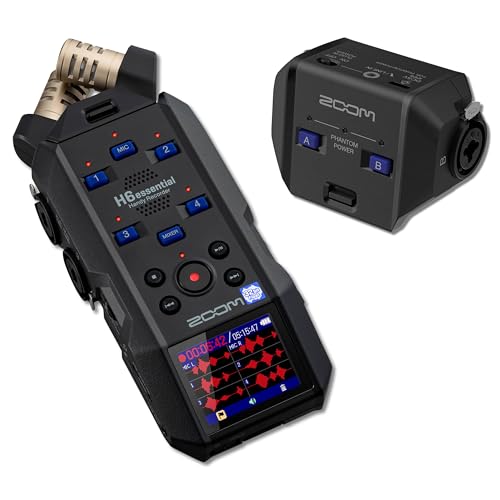
- Six locking XLR inputs with expansion capsule
- 32-bit float recording on every channel
- USB-C interface plus simultaneous SD recording
Best For: Documentary crews and multi-microphone field shoots
Best Simple Interview Recorder

- Up to 68 hours of battery life
- 160GB storage capacity
- One-click WAV or MP3 recording
Best For: Research interviews, meetings, and long recording sessions
Best Compact Pro Recorder

- 32-bit float recording for unpredictable levels
- Two locking XLR/TRS inputs
- Low-noise preamps in a compact body
Best For: Run-and-gun filmmakers using a boom or two external mics
Best Pocket 32-Bit Recorder

- 32-bit float recording up to 192kHz
- Four inputs and six tracks
- Flexible analog and digital source support
Best For: Portable documentary rigs with varied microphone inputs
Best Professional Field Recorder

- 32-bit float recording helps avoid clipping
- Six XLR inputs and up to 14 tracks
- Timecode I/O for frame-accurate sync
Best For: Multimic documentary production and synced location audio
Best Wearable Field Recorder

- 32-bit float recording for gain-free operation
- Includes lavalier microphone and accessories
- Up to 15 hours on two AAA batteries
Best For: Discreet documentary interviews and single-subject recording
Best Flexible Handheld Recorder
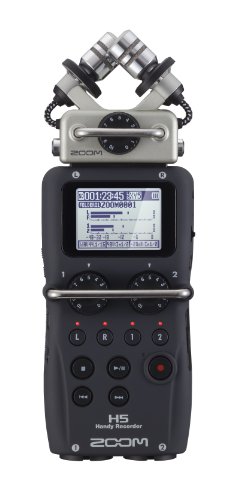
- Interchangeable microphone capsule system
- Two XLR/TRS inputs with phantom power
- Four-track recording and USB interface mode
Best For: Portable interviews, ambience, and small multichannel setups
Best Overall

- Large 19.4mm X/Y stereo microphones
- 32-bit float recording for clip-free takes
- Up to four tracks with two XLR/TRS inputs
Best For: Documentary crews needing premium stereo sound and flexible recording
Best for Guided Operation

- 32-bit float recording for interviews and video audio
- Two XLR/TRS inputs plus built-in stereo microphones
- Spoken menu guidance and USB-C connectivity
Best For: Creators seeking accessible controls and flexible device connectivity
Best Compact XLR Option

- Lightweight 6.4-ounce body
- Two locking XLR/TRS inputs
- 32-bit/96kHz recording with waveform display
Best For: Solo filmmakers needing a portable two-channel recorder
Best Multi-Mic Documentary Kit – Zoom H6essential 6-Track Bundle
For a field recorder for documentary work that can handle interviews, panels, and multi-mic shoots, the Zoom H6essential bundle stands out for its six XLR inputs and 32-bit float recording. The included EXH-6e capsule adds two locking combo inputs and a 3.5mm lavalier connection to the recorder’s four native inputs.
Best For: Documentary crews, ENG operators, panel podcasts, and field productions using several microphones at once.
Pros:
- Six XLR inputs with individually selectable phantom power.
- 32-bit float recording helps recover clipped audio in post.
- Works as a USB-C 6-in/2-out interface while recording to an SD card.
- Includes an XYH-6e stereo capsule for ambience and stereo capture.
Cons:
- Its larger feature set may be more than needed for simple interviews.
- The supplied details list the bundle weight as 10 pounds, so portability should be considered.
The H6essential bundle is the most flexible choice here when a documentary setup requires multiple wired sources, lavalier support, and a backup recording workflow in one handheld system.
Best Simple Interview Recorder – 160GB Voice Recorder
If you need a straightforward field recorder for documentary interviews, lectures, or research notes, this compact voice recorder focuses on long runtime and simple operation. One-click recording, built-in stereo microphones, and up to 68 hours of battery life make it convenient for extended sessions.
Best For: Interview notes, documentary research, lectures, meetings, and users who prioritize storage capacity over professional mic inputs.
Pros:
- 160GB combined storage is rated for up to 11,500 hours of stereo recordings.
- Up to 68 hours of continuous use from the rechargeable battery.
- One-click recording with WAV and MP3 support.
- Offers voice control, scheduled recording, and password protection.
Cons:
- Uses built-in stereo microphones rather than XLR microphone inputs.
- The supplied details do not identify professional-level gain controls or phantom power.
This is a practical pocket recorder for capturing conversations and reference audio, but documentary filmmakers needing boom, lavalier, or multiple external microphones should consider a dedicated field recorder instead.
Best Compact Pro Recorder – Zoom F3
The Zoom F3 is a strong field recorder for documentary filmmakers working with a boom or other external microphones. Its dual locking XLR inputs, low-noise preamps, and 32-bit float recording are suited to run-and-gun production where sound levels can change quickly.
Best For: Solo filmmakers, boom operators, and compact production rigs that need two secure professional microphone connections.
Pros:
- 32-bit float recording helps handle quiet dialogue and sudden peaks without constant level adjustments.
- Dual locking XLR/TRS inputs help keep connections secure.
- Ultra-low-noise preamps support clean recordings in uncontrolled locations.
- Battery-powered operation and USB workflows suit long location days.
Cons:
- Two inputs provide less expansion than six-input handheld recorders.
- It does not include a built-in stereo microphone capsule in the supplied specifications.
Choose the F3 when compact size and dependable two-channel recording matter more than a large input count. It is especially well matched to a documentary camera or boom setup.
Best Pocket 32-Bit Recorder – Deity PR-4
The Deity PR-4 is a compact option for documentary setups that need multiple inputs and flexible routing in a small recorder. It supports 32-bit float recording, up to 192kHz operation, and combinations of microphone, line, AES3, AES42, and 5V mic connections through its inputs.
Best For: Portable documentary rigs, lavalier-based recording, and productions needing flexible digital or analog input options.
Pros:
- Supports 32-bit float recording and sample rates up to 192kHz.
- Provides four inputs and six tracks according to the supplied product details.
- Accepts mic, 48V, line, AES3, AES42, and 5V mic sources.
- Offers balanced or unbalanced outputs and Sidus App control.
Cons:
- The supplied details give conflicting runtime information, listing both up to 8 hours and nearly 30 hours in related notes.
- Its compact, feature-rich design may require more setup knowledge than a basic voice recorder.
The PR-4 is appealing when a documentary recorder must stay portable while accommodating varied microphone and digital-source requirements. Verify the exact runtime and included accessories before buying.
Best Professional Field Recorder – Zoom F6
For demanding documentary work, the Zoom F6 is a field recorder for documentary crews that need broad dynamic range, multiple microphone inputs, and dependable synchronization. Its 32-bit float recording, six XLR inputs, and timecode I/O support more complex location setups.
Best For: Documentary filmmakers recording multiple microphones and syncing production audio with video.
Pros:
- 32-bit float recording with dual A/D converters helps capture quiet dialogue and loud sounds without clipping.
- Six XLR inputs and up to 14 tracks provide substantial multitrack flexibility.
- Timecode I/O supports frame-accurate audio-video synchronization.
- Can operate as a standalone recorder or USB audio interface, with multiple power options.
Cons:
- Its professional feature set may be more than needed for a simple one-microphone interview.
- At 2.4 pounds, it is less lightweight than a compact body-pack recorder.
The F6 is the strongest choice here for complex documentary productions where clean headroom, several inputs, and reliable sync matter more than the smallest possible setup.
Best Wearable Field Recorder – Zoom F2
The Zoom F2 is a practical field recorder for documentary interviews, especially when each subject needs a discreet personal recorder. Its included lavalier microphone, 32-bit float recording, long battery life, and compact body-pack design simplify single-person audio capture.
Best For: Interviews, observational shoots, and on-camera contributors who need a small recorder with a lavalier mic.
Pros:
- 32-bit float recording reduces the need to adjust gain during recording.
- Includes an omnidirectional lavalier microphone with windscreen and lapel clip.
- Runs for up to 15 hours on two AAA batteries.
- Supports microSD cards up to 512GB and includes a REC Hold switch.
Cons:
- Its body-pack design is intended for a lavalier rather than multiple XLR microphones.
- Recording is limited to 44.1kHz or 48kHz according to the supplied specifications.
Choose the F2 when portability and easy subject-mic placement are the priority. It is less suited to a full production mixer setup, but highly convenient for individual documentary voices.
Best Flexible Handheld Recorder – Zoom H5
The Zoom H5 is a versatile field recorder for documentary projects that need handheld operation, interchangeable microphone options, and occasional external inputs. It records up to four tracks, includes a detachable X/Y capsule, and can also function as a USB audio interface.
Best For: Documentary creators who want a portable handheld recorder for ambient sound, interviews, and small multichannel setups.
Pros:
- Interchangeable input capsules allow the microphone configuration to be adapted to different recording situations.
- Two XLR/TRS combo inputs include selectable phantom power and -20dB pads.
- Supports four-track simultaneous recording and records to SD or SDHC cards up to 32GB.
- Works as a multichannel or stereo USB audio interface for PC, Mac, and iPad.
Cons:
- Its four-track capacity is lower than the Zoom F6’s stated 14-track capability.
- It does not provide the F6’s supplied 32-bit float recording feature.
The H5 offers a useful middle ground for documentary work: more flexible than a basic handheld recorder, while remaining suitable for creators who do not need the F6’s larger input and track count.
Best Overall – Zoom H5 Studio
For filmmakers who need a flexible field recorder for documentary work, the Zoom H5 Studio combines large stereo microphones, 32-bit float recording, and hands-on level control. Its portable, battery-powered design suits location recording, while multi-track capability supports more involved setups.
Best For: Documentary crews wanting premium onboard stereo sound and flexible multi-track recording.
Pros:
- Large 19.4mm X/Y microphones provide detailed stereo sound.
- 32-bit float recording helps protect against clipped takes.
- Dedicated gain knobs make quick level adjustments easier.
- Supports up to four tracks, 192kHz WAV recording, and two XLR/TRS inputs.
Cons:
- Requires four AA batteries.
- Its broader feature set may be more than needed for simple interviews.
The H5 Studio is the strongest all-around choice here when sound quality, input flexibility, and fast field control matter more than keeping the setup minimal.
Best for Guided Operation – Zoom H4 Essential
The Zoom H4 Essential is a practical field recorder for documentary interviews, video audio, and live scenes. It offers built-in stereo microphones, two XLR/TRS inputs, 32-bit float recording, and USB-C connectivity for recording or streaming to a compatible device.
Best For: Filmmakers who want straightforward operation, external-input flexibility, and accessible menu guidance.
Pros:
- 32-bit float recording helps reduce concern about distorted takes.
- Built-in stereo microphones and two XLR/TRS inputs support varied setups.
- USB-C can connect to a phone, tablet, or computer while also saving to an SD card.
- Spoken menu guidance can help visually impaired users and creators who prefer guided controls.
Cons:
- Uses two AA batteries.
- Records up to four tracks, giving it less stated track capacity than the H5 Studio.
Choose the H4 Essential if accessible navigation and easy device connectivity are priorities alongside dependable recording for interviews and documentary production.
Best Compact XLR Option – Zoom H1 XLR
For a lightweight field recorder for documentary setups, the Zoom H1 XLR focuses on essential connections and clear monitoring. It records at up to 32-bit/96kHz, includes two locking XLR/TRS inputs, and adds 3.5mm input and headphone connectivity for compact interview or camera workflows.
Best For: Solo filmmakers and interview crews needing a small two-channel recorder with professional inputs.
Pros:
- Compact 6.4-ounce design is easy to carry on location.
- Two locking XLR/TRS inputs accommodate microphones and instruments.
- 32-bit/96kHz recording supports detailed audio capture.
- OLED waveform display provides a quick visual check of levels.
Cons:
- Two-channel recording is less suited to larger multi-mic projects.
- Its 0.96-inch screen is smaller than the displays on the other listed recorders.
- Requires two AA batteries.
The H1 XLR is the most compact choice for documentary audio when two external sources are enough and portability is more important than expanded track capacity.
How We Picked the Best Field Recorder for Documentary
We evaluated these recorders by focusing on the requirements that matter most in documentary production: input flexibility, portability, recording quality, gain management, battery practicality, monitoring, and ease of use in unpredictable locations. We also considered different production styles, including solo interviews, observational filmmaking, two-person crews, and shoots using multiple microphones.
32-bit float recording is especially useful when sound levels can change quickly, although it does not replace good microphone placement or proper monitoring. Models with XLR or TRS inputs generally offer more flexibility for professional microphones, while compact lavalier and voice recorders are easier to carry and deploy quickly.
Quick Comparison
| Recorder type | Best suited to | Main advantage |
|---|---|---|
| Compact voice recorder | Simple interviews and reference audio | Low cost and easy operation |
| Lavalier recorder | Single-subject dialogue | Small, discreet setup |
| Two-channel recorder | Solo filmmakers and small crews | Portable microphone connectivity |
| Multitrack handheld recorder | Interviews, ambience, and small ensembles | Multiple inputs in one device |
| Professional field recorder | Complex documentary production | Expanded routing and channel capacity |
Key Buying Factors for a Field Recorder for Documentary
Inputs and Microphone Compatibility
Check how many microphones you need to connect at once and whether the recorder supports the connectors and phantom power your microphones require. A two-input recorder can work well for a camera operator recording one microphone and a backup feed, while larger interviews may justify four or more XLR inputs.
32-Bit Float Recording
32-bit float can provide more flexibility when recording unpredictable dialogue or loud environmental sound because compatible software can often recover recordings made at unsuitable levels. It is most valuable for fast-moving shoots, but you should still monitor audio whenever possible.
Size, Power, and Controls
A compact recorder is easier to carry during long observational shoots. Consider battery life, USB power options, physical gain controls, headphone monitoring, and whether the display is readable outdoors. A recorder that is technically capable but slow to operate can be a poor choice in documentary situations.
Mounting and Workflow
Think about whether the unit will be handheld, mounted to a camera or rig, carried in a sound bag, or attached to a subject. Also check file formats, memory-card requirements, timecode compatibility, and how easily files can be transferred and labeled after a shooting day.
Who Should Buy Which Field Recorder for Documentary?
Choose a compact lavalier recorder when the priority is discreet, direct-to-subject dialogue. A small two-channel recorder is a practical option for solo filmmakers who need external microphones without carrying a larger sound bag.
Handheld multitrack models are better for interviews, location ambience, and small crews that need several inputs while staying mobile. Choose a professional multichannel recorder when the production uses several microphones, requires more advanced routing, or has a dedicated sound operator.
Finally, a basic voice recorder can suit simple spoken-word capture, notes, or backup audio, but it may not provide the connectors, monitoring, or control expected for demanding documentary work. Match the recorder to your microphone package and shooting style rather than choosing solely by track count.