Choosing a dynamic microphone for an untreated room can make a huge difference in how clean and controlled your voice sounds. Compared with many condensers, dynamic mics usually pick up less room echo, keyboard noise, and HVAC hum.
Below, we focus on 10 standout options for creators who want better vocal isolation, practical features, and reliable performance for podcasting, streaming, voice work, and more.
Best 10 Dynamic Microphone for Untreated Room Picks for 2026
Studio Broadcast Workhorse
Shure SM7B Dynamic Vocal Microphone for Podcasting
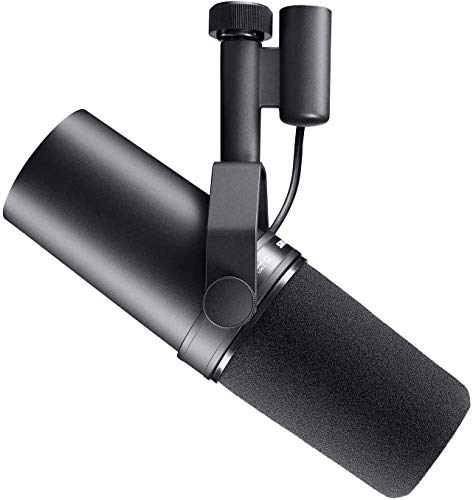
- Helps reduce room interference with cardioid pickup
- Built-in pop filtering and windscreen tame plosives
- Warm, balanced XLR vocal sound with rugged build
Best For: Untreated rooms, podcasting, streaming, and voiceover
Focused Isolation Pick
Audio-Technica AT2040 Hypercardioid Dynamic Podcast Microphone
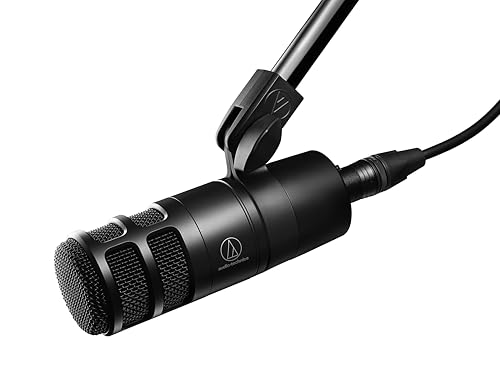
- Hypercardioid pattern reduces side and rear pickup
- Integrated shock mount lowers stand and handling noise
- Foam mesh windscreen adds internal pop filtering
Best For: Untreated rooms, podcasting, and streaming
Budget Isolation Choice
Zoom ZDM-1 Dynamic Microphone for Podcasts

- Supercardioid pattern helps isolate your voice
- Internal shock mount reduces bumps and handling noise
- All-metal body is built for daily use
Best For: Budget-minded podcasts, voice-overs, and vocal recording
Classic Vocal Standard
Shure SM58 Pro XLR Dynamic Vocal Microphone

- Cardioid pattern helps reduce background noise
- Built-in filter and grille cut plosives and breath noise
- Rugged handheld design for dependable use
Best For: Reliable vocals in untreated rooms, live use, and basic recording
Live Vocal Control
Electro-Voice ND86 Supercardioid

- Supercardioid pattern improves isolation from surrounding sound.
- Shock-mounted capsule helps cut handling noise and thumps.
- Durable Memraflex grille is made for rough treatment.
Best For: Singers and live performers in loud or untreated spaces
All-in-One Creator Kit
MAONO HD300T USB/XLR Dynamic Mic

- Dynamic capsule helps reduce background noise and room reverb.
- USB/XLR dual outputs work for beginners and pro setups.
- Includes shock mount, pop filter, stand, and cables.
Best For: Podcasters and streamers who want flexible connectivity and a full kit
Broadcast-Style Focus

- Voice-isolating design helps reduce room noise.
- Integrated shock mount reduces vibration and handling issues.
- All-metal build is made for long-term studio use.
Best For: Podcasters and vocal recordists who want focused XLR performance
USB/XLR RGB Streaming Pick

- Cardioid dynamic design helps reject off-axis noise
- USB mode includes mute, gain, monitoring, and RGB
- XLR support adds upgrade flexibility with an interface
Best For: Streamers who want plug-and-play convenience plus future XLR upgrade options
Metal Studio Noise Rejector

- Cardioid pattern helps cut fan and drive noise
- USB mode adds mute, gain, and monitoring controls
- Shock mount and windscreen reduce plosives and vibration
Best For: Users wanting a sturdy dynamic mic for untreated rooms with easy USB use
Boom Arm Room Tamer

- Boom arm helps position the mic close in noisy rooms
- Cardioid pickup and included accessories reduce ambient noise
- USB and XLR support cover both easy and advanced setups
Best For: Podcasters and streamers who want an all-in-one kit for untreated rooms
Studio Broadcast Workhorse – Shure SM7B Dynamic Vocal Microphone for Podcasting
If you need a dynamic microphone for untreated room use, the Shure SM7B is built to keep your voice forward while helping minimize room interference. Its cardioid pickup pattern, air suspension shock isolation, and built-in pop filtering make it a strong choice when you want cleaner spoken-word audio without loading up on extra accessories.
Best For: Podcasters, streamers, voiceover creators, and singers working in less-than-ideal rooms who want a smooth, warm XLR vocal mic.
Pros:
- Cardioid pickup and shock isolation help reduce background noise and vibrations
- Built-in pop filtering and detachable windscreen control plosives and breath noise
- Warm, balanced dynamic sound with wide-range frequency response
- Rugged all-metal construction with electromagnetic shielding
Cons:
- Requires plenty of gain from an interface or preamp
- XLR setup means it is not a plug-and-play USB mic
- Best results usually come with close-mic technique
Overall, the SM7B is a proven option when room acoustics are not on your side and you want a polished, broadcast-style vocal sound. It is especially appealing if you value isolation, durability, and hands-on control over your recording chain.
Focused Isolation Pick – Audio-Technica AT2040 Hypercardioid Dynamic Podcast Microphone
The Audio-Technica AT2040 is a smart dynamic microphone for untreated room setups because its hypercardioid pattern is designed to reduce pickup from the sides and rear. Combined with the integrated shock mount and multistage foam mesh windscreen, it aims for clean, direct vocal capture with less distraction from stands, bumps, and nearby room noise.
Best For: Podcasters and streamers who want strong vocal isolation in a home studio or other untreated space.
Pros:
- Hypercardioid pattern improves vocal isolation
- Integrated shock mount helps reduce handling and stand noise
- Multistage foam mesh windscreen adds internal pop filtering
- Includes stand mount, adapter, and protective pouch
Cons:
- XLR connection requires an interface or mixer
- Hypercardioid mics can be less forgiving if you move off-axis
- Not as universally familiar a choice as some broadcast staples
For creators prioritizing isolation over everything else, the AT2040 offers a practical, well-equipped path to cleaner speech capture. It is especially appealing when your room is not treated and you want the mic to do more of the heavy lifting.
Budget Isolation Choice – Zoom ZDM-1 Dynamic Microphone for Podcasts
If you want a dynamic microphone for untreated room recording on a simpler budget, the Zoom ZDM-1 is built around focused pickup and high SPL handling. Its supercardioid pattern, internal shock mount, and large-diaphragm dynamic design are all aimed at delivering a smooth broadcast-style signal with less room spill and handling noise.
Best For: Podcasters, voice-over artists, and vocal recordists who want focused isolation and a sturdy XLR mic without overcomplicating the setup.
Pros:
- Supercardioid pattern provides focused pickup and strong isolation
- Internal shock mount helps reduce bumps and handling noise
- Large-diaphragm dynamic design captures smooth broadcast-quality sound
- All-metal body and grille are made for daily use
Cons:
- XLR connection means you need an interface or mixer
- Not as feature-rich as higher-end broadcast microphones
- Best suited to close, intentional vocal technique
The ZDM-1 is a straightforward option for creators who want practical isolation and durable construction without stepping into premium pricing. In a less-treated room, its focused pickup is the main reason to consider it.
Classic Vocal Standard – Shure SM58 Pro XLR Dynamic Vocal Microphone
The Shure SM58 is a classic dynamic microphone for untreated room use when you want dependable vocal capture with less background distraction. Its uniform cardioid pattern, built-in pop protection, and rugged metal construction make it a practical choice for spoken word, live performance, and basic recording setups.
Best For: Performers and creators who want a durable, familiar vocal mic for podcasting, broadcast, and recording in imperfect rooms.
Pros:
- Cardioid pattern helps minimize background noise and feedback
- Built-in filter and spherical grille reduce plosives and breath noise
- Warm, articulate vocal tuning with subtle midrange lift
- Rugged metal build designed for demanding use
Cons:
- Handheld form factor may be less ideal for fixed desk use
- Sound is more traditional and less specialized than dedicated broadcast mics
- XLR setup requires an interface or mixer
As an all-purpose vocal staple, the SM58 is easy to recommend when you need reliable results in a room that has not been treated. It is not the most specialized option here, but it is one of the most proven.
Live Vocal Control – Electro-Voice ND86 Supercardioid
If you need a dynamic microphone for untreated room use, the Electro-Voice ND86 is built to keep your voice forward while reducing spill from the stage or room. Its supercardioid pattern, large-diaphragm dynamic capsule, and shock-mounted design are aimed at clear vocal capture with strong isolation and less handling noise.
Best For: Singers and live performers who want focused vocal pickup and strong rejection of nearby sound.
Pros:
- Supercardioid pattern helps improve isolation from stage sound.
- Shock-mounted capsule reduces handling noise and low-frequency bumps.
- Large-diaphragm dynamic capsule delivers a rich, detailed response.
- Memraflex grille is built to handle rough treatment.
Cons:
- XLR-only setup is more geared toward live rigs and pro audio gear.
- Designed primarily for vocals, not as a general-purpose recording mic.
The ND86 is a strong choice if your priority is acoustic control and reliable vocal focus in loud or reflective spaces. It feels purpose-built for performers who want a tough mic that stays present and smooth.
All-in-One Creator Kit – MAONO HD300T USB/XLR Dynamic Mic
For a dynamic microphone for untreated room setups, the MAONO HD300T is appealing because its dynamic capsule is designed to reduce background noise and room reverb. The USB/XLR dual-output design also makes it easy to start on a computer and later move into a mixer or interface setup.
Best For: Podcasters, streamers, and home creators who want flexible connectivity and included accessories.
Pros:
- Dynamic capsule helps cut background noise and room reverb.
- USB and XLR outputs support both plug-and-play and pro audio setups.
- Built-in headphone jack allows zero-latency monitoring in USB mode.
- Includes shock mount, pop filter, stand, and cables for a full starter kit.
Cons:
- Monitoring volume control only works in USB mode.
- Included desktop stand may not suit every recording space.
The HD300T is a practical pick if you want a mic that can handle voice work in a less-than-ideal room without forcing you into a complicated setup. Its bundled accessories make it especially convenient for beginners.
Broadcast-Style Focus – Shure MV7X XLR Dynamic Mic
If you’re shopping for a dynamic microphone for untreated room recording, the Shure MV7X is built around voice isolation and controlled vocal capture. Its dynamic cardioid design and integrated shock mount are meant to reduce room noise, background distractions, and unwanted vibrations for cleaner spoken-word recording.
Best For: Podcasters, streamers, and vocal recordists who want a focused XLR mic with a broadcast-style feel.
Pros:
- Voice-isolating design helps reduce room noise and distractions.
- Integrated shock mount minimizes vibration and handling issues.
- XLR-only connection gives you straightforward integration with interfaces and mixers.
- All-metal build adds durability for regular studio use.
Cons:
- XLR-only output requires an audio interface or mixer.
- Not as beginner-friendly as USB microphones for quick plug-and-play use.
The MV7X is a sensible choice when you want a serious spoken-word mic that stays focused in imperfect rooms. It leans into classic broadcast simplicity while keeping the setup firmly in the pro-audio lane.
USB/XLR RGB Streaming Pick – FIFINE AM8 Dynamic Microphone
If you need a dynamic microphone for untreated room use, the FIFINE AM8 is built to keep the focus on your voice while rejecting off-axis noise. Its cardioid pattern, close-range recording guidance, and included windscreen make it a practical pick for gaming, streaming, and simple vocal recording where room reflections are a concern.
Best For: Streamers and beginner creators who want USB convenience now and XLR upgrade potential later.
Pros:
- Cardioid dynamic pickup helps reduce unwanted room and side noise.
- USB mode adds tap-to-mute, gain control, headphone monitoring, and RGB lighting.
- XLR mode offers a cleaner upgrade path for use with an interface or mixer.
- Included windscreen helps reduce hum from nearby appliances.
Cons:
- XLR cable is not included.
- RGB and onboard controls are unavailable in XLR mode.
- Best performance depends on staying close to the mic, around 2 to 6 inches.
Overall, the AM8 is a flexible choice if you want a budget-friendly dynamic mic that behaves well in less-than-ideal rooms. It is strongest when used close to the source, making it better suited to controlled speaking positions than distant pickup.
Metal Studio Noise Rejector – FIFINE K688 Dynamic Mic
The FIFINE K688 is a dynamic microphone for untreated room recording when you want a directional cardioid pickup and a metal build that is aimed at cleaner vocal capture. It is designed to limit background noise from fans or drives, while the USB path adds simple controls for everyday streaming, voice-over, and podcast work.
Best For: Creators who want a sturdy dual-mode mic with straightforward USB operation and a cleaner XLR path later.
Pros:
- Cardioid pattern helps reduce room noise such as computer fans and hard drives.
- USB connection offers plug-and-play use on Windows or Mac with no extra setup.
- Front-panel tap-to-mute, gain knob, and headphone monitoring add convenience in USB mode.
- Included windscreen and shock mount help tame plosives and desk vibration.
Cons:
- XLR cable is not included.
- All onboard function keys are USB-only.
- It still requires close speaking distance for best results.
As a practical recording mic, the K688 focuses on reducing the kinds of noise that make untreated rooms difficult. Its combination of directional pickup, simple USB operation, and XLR upgrade path makes it a versatile middle-ground option.
Boom Arm Room Tamer – FIFINE K688CT Mic Kit
If you are shopping for a dynamic microphone for untreated room recording, the FIFINE K688CT adds a boom arm to help keep the mic positioned close and away from desk noise. With cardioid pickup, windscreen, and shock mount support, it is built to preserve vocal clarity while making the setup easier to place correctly.
Best For: Podcasters and streamers who want an all-in-one mic kit with boom arm support and dual connectivity.
Pros:
- Cardioid dynamic capsule helps keep ambient noise behind your voice.
- Included boom arm, shock mount, and windscreen improve placement and reduce vibration noise.
- USB mode provides tap-to-mute, gain control, headphone monitoring, and volume adjustment.
- XLR and USB connections offer flexibility for simple setups or interface-based rigs.
Cons:
- The boom arm clamp only fits desks under 2 inches thick.
- All mic controls are unavailable in XLR mode.
- Best input level still depends on close mic technique, around 2 to 6 inches.
This kit stands out because the boom arm helps you place the mic where a noisy room is least likely to interfere. If you want a more complete starter package rather than buying the mic and stand separately, it is a strong candidate.
How We Picked the Best Dynamic Microphone for Untreated Room
We prioritized microphones that handle real-world spaces well, especially rooms without acoustic treatment. That means strong off-axis rejection, sensible gain requirements, dependable build quality, and features that matter to creators like XLR or USB/XLR flexibility, headphone monitoring, mute controls, and included mounting accessories.
Quick Comparison
When comparing these models, think first about your setup. Pure XLR options often give the best long-term sound quality, but they need more gain and an audio interface or mixer. USB/XLR models are more flexible for beginners and creators who want to switch between simple plug-and-play use and a fuller studio setup later. Some mics are tuned for broadcast-style vocals, while others are more general-purpose and better for live streaming, gaming, or all-around recording.
Key Buying Factors for a Dynamic Microphone for Untreated Room
Pickup Pattern and Rejection
For an untreated room, the most important thing is how well the mic rejects sound from the sides and rear. Supercardioid and hypercardioid patterns can help isolate your voice, but they also reward consistent mic placement. A standard cardioid dynamic can be a little more forgiving if you move around while speaking.
Sensitivity and Gain Needs
Some dynamic mics need a lot of clean gain to sound full and present. If your interface has weak preamps, you may need an inline booster or a microphone with higher output. This matters a lot in noisy rooms because pushing gain too hard can also raise the room noise floor.
Handling Noise and Proximity Effect
Dynamic microphones often sound best when used close to the mouth, which can help your voice stay forward and reduce room reflections. Pay attention to plosive control, shock mounting, and internal damping if you plan to stream, game, or type at the same desk.
Connectivity and Workflow
Choose XLR if you already have an interface or want maximum upgrade potential. Choose USB/XLR if you want an easier start with room to grow. For many buyers searching for a Dynamic Microphone for Untreated Room, that flexibility can be the difference between a good short-term setup and a better long-term one.
Who Should Buy Which Dynamic Microphone for Untreated Room?
If you want the most proven broadcast-style option, look at the higher-end XLR models. If you want a strong all-rounder for podcasts or voice work, midrange podcast mics can deliver excellent results without overcomplicating the setup. If you stream or game from a desk in a reflective room, USB/XLR models with mute buttons and headphone jacks are especially practical. And if you are on a tighter budget, the more affordable hybrid models still offer a solid path to better vocal isolation than most condensers.
In short, the best choice depends on your room, your interface, and how much control you want over the final sound. Pick the mic that fits your workflow first, then match it to your room and recording habits for the cleanest results.