The right microphone preamp can give a quiet dynamic microphone the clean, usable gain it needs without forcing you to raise noisy interface levels. It can also add useful tonal character, phantom power, or flexible routing to a recording setup.
These 10 picks cover compact inline boosters, tube-style preamps, DI-capable units, and affordable multi-feature models for home studios, podcasts, vocals, and live sound.
Best 10 Microphone Preamp Picks for 2026
Compact Signal Booster
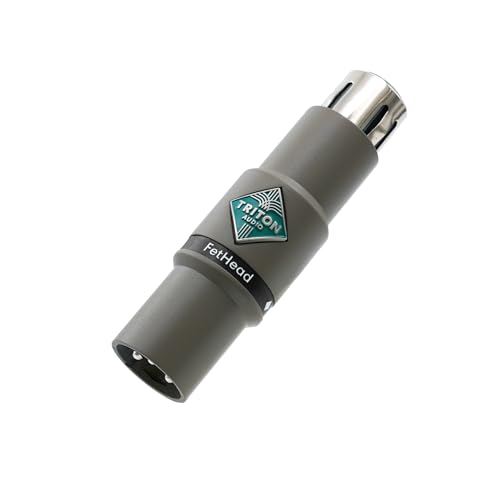
- Low-noise Class-A JFET amplification
- Four matched JFETs
- Shielded in-line enclosure
Best For: Compact microphone signal boosting
Studio Gain Activator
Cloudlifter CL-1 Mic Activator

- Up to +25 dB of clean gain
- Powered by standard phantom power
- Safe for passive ribbon microphones
Best For: Podcasts, vocals, streaming, and passive mics
Variable Tube Character
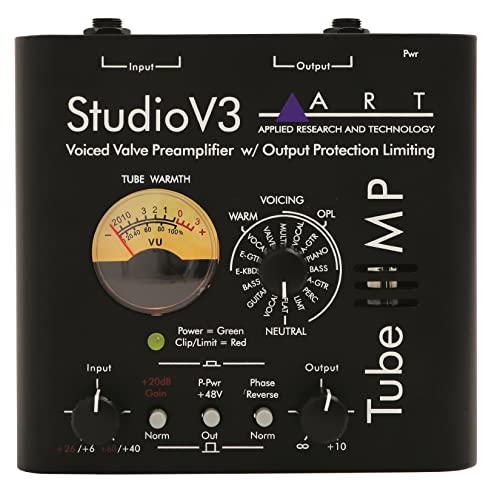
- Single-channel tube preamplifier
- Variable valve voicing
- Supports microphones and instruments
Best For: Recording vocals and instruments with tube coloration
High-Gain Multi-Output Preamp
JCANOL MIC-1 Microphone Preamp

- Up to +75 dB gain and -120 dB EIN
- 48V phantom power for condenser mics
- Balanced XLR and dual 3.5mm outputs
Best For: Vocal recording and flexible studio or portable routing
Tube Character Choice

- 12AX7 tube and XMAX solid-state input stages
- Gain and tube-drive controls
- Mic and instrument inputs with phantom power
Best For: Home studios wanting flexible tube coloration and DI functionality
Dynamic Mic Gain Booster

- Adds up to 29 dB of clean gain
- Designed for dynamic and ribbon microphones
- Requires 48V phantom power
Best For: Podcasters and streamers using low-output dynamic microphones
Low-Noise Utility Preamp

- 19–66 dB variable gain
- Three usable outputs and USB-C power
- 1 MΩ instrument input for DI use
Best For: Flexible budget recording, streaming, and instrument setups
Compact Balanced Booster

- 20dB clean, balanced gain
- 48V support for condenser mics
- 3.5mm, 6.35mm, and XLR connections
Best For: Portable home studios, podcasts, and live streaming
Dynamic Mic Specialist

- 25dB clean gain for dynamic mics
- Balanced XLR input and output
- Compact metal housing with shielding
Best For: Dynamic microphones, passive ribbons, and XLR recording chains
Low-Noise Vocal Booster

- 20dB transparent balanced gain
- 48V support for dynamic and condenser mics
- Lightweight metal case reduces interference
Best For: Vocal recording, podcasting, and live streaming
Compact Signal Booster – Triton Audio FetHead
The Triton Audio FetHead is an in-line microphone preamp built for adding low-noise Class-A gain within a compact, shielded enclosure. Its matched JFET design and double single-ended amplifier topology make it a practical option when you want a focused signal boost without a large standalone unit.
Best For: Users seeking a compact in-line microphone preamp with Class-A JFET amplification.
Pros:
- Uses a low-noise Class-A JFET amplifier design.
- Includes four matched JFETs.
- Shielded enclosure helps support a compact, purpose-built format.
Cons:
- The supplied notes do not specify a maximum gain figure.
- Its in-line format may be less suitable for users wanting multiple independent controls.
The FetHead is a specialized choice for adding preamp functionality without stepping up to a larger desktop unit. Check that its 24-volt operating requirement and in-line design fit your microphone setup.
Studio Gain Activator – Cloudlifter CL-1 Mic Activator
The Cloudlifter CL-1 is a single-channel microphone preamp and mic activator that uses phantom power to provide up to +25 dB of gain. It is designed to strengthen quiet passive microphone signals while maintaining the microphone’s natural sound and avoiding phantom-power transfer to the microphone itself.
Best For: Home studios, podcasting, streaming, live sound, and recording with passive microphones.
Pros:
- Provides up to +25 dB of ultra-clean microphone preamp gain.
- Uses standard +48V phantom power as its power source.
- Compatible with passive ribbon microphones and other standard microphone inputs with phantom power.
- Stainless-steel enclosure and XLR connectivity suit studio and live setups.
Cons:
- Requires a connected microphone input with phantom power.
- It is a single-channel unit.
- The supplied notes do not indicate instrument-input compatibility.
The CL-1 is a straightforward solution when a passive microphone needs more usable level before reaching a mixer or interface. Its phantom-powered design and single-channel layout make it especially practical for focused vocal, podcast, and voiceover chains.
Variable Tube Character – ART Tube MP Studio V3
The ART Tube MP Studio V3 is a single-channel tube microphone preamp and instrument preamplifier with variable valve voicing. Its compatibility with vocals, guitars, bass, keyboards, and drums makes it a flexible choice for recording setups that want tube-based signal shaping in a compact metal enclosure.
Best For: Recording vocals and instruments when variable tube voicing is a priority.
Pros:
- Combines microphone and instrument preamplification in one channel.
- Offers variable valve voicing for adjustable tube character.
- Supports electric and acoustic guitars, bass, keyboards, drums, and vocals.
- Uses a compact metal enclosure and includes a 2-year warranty.
Cons:
- Provides only one output channel.
- Its tube-based design may not suit users seeking strictly transparent amplification.
- The supplied notes do not specify a gain range or phantom-power feature.
The Tube MP Studio V3 fits producers who want one preamp that can handle both microphones and instruments while offering variable tube voicing. It is a practical option for adding tonal flexibility rather than choosing a purely neutral microphone preamp.
High-Gain Multi-Output Preamp – JCANOL MIC-1 Microphone Preamp
The JCANOL MIC-1 is a versatile microphone preamp offering up to +75 dB of gain, 48V phantom power, and a stated -120 dB EIN noise performance. With balanced XLR plus 3.5mm mic and line outputs, it is designed to connect microphones and instruments to studio, computer, and compact audio setups.
Best For: Vocal recording, low-output dynamic microphones, and setups needing both XLR and 3.5mm outputs.
Pros:
- Offers up to +75 dB of clean, transparent gain.
- Includes 48V phantom power for compatible condenser microphones.
- Provides balanced XLR, 3.5mm mic, and 3.5mm line outputs.
- Features a 1MΩ high-impedance TS instrument input for DI applications.
Cons:
- The two input ports cannot be used simultaneously.
- The supplied notes do not identify included accessories.
- Its four-channel specification may require clarification for buyers expecting four independent microphone channels.
The MIC-1 is aimed at users who need substantial gain and flexible routing in a compact metal unit. Its output variety is useful for moving between balanced studio connections and portable devices, while the input limitation should be considered before purchase.
Tube Character Choice – PreSonus TubePre v2
The PreSonus TubePre v2 is a flexible microphone preamp and DI box for adding tube coloration or clean gain to a recording setup. Its 12AX7 tube stage, XMAX solid-state input, and dedicated drive control let you choose between a more transparent signal and noticeable tube saturation.
Best For: Home studios, vocalists, and musicians who want one channel of mic and instrument processing with optional tube warmth.
Pros:
- Combines a 12AX7 tube stage with an XMAX solid-state input stage.
- Separate microphone and instrument inputs support recording and DI applications.
- Includes phantom power, high-pass filtering, a -20 dB pad, and polarity reverse.
- Independent gain and tube-drive controls provide useful tone-shaping flexibility.
Cons:
- Provides only one channel.
- Its frequency-response specification is listed only as 20 kHz, with no lower limit supplied.
- Tube coloration may not suit users seeking strictly clean, transparent gain.
Choose the TubePre v2 when tonal flexibility matters as much as basic signal boosting. It is particularly practical for a compact setup that needs both microphone and instrument connectivity.
Dynamic Mic Gain Booster – StudioMan DPM1
The StudioMan DPM1 is a compact inline microphone preamp designed to add clean gain before an interface, mixer, or other XLR input. It supplies up to 29 dB of boost for low-output dynamic and ribbon microphones, helping reduce the need to run a noisier built-in preamp at maximum gain.
Best For: Podcasters, streamers, and live or studio users with quiet dynamic or ribbon microphones and an interface that supplies 48V phantom power.
Pros:
- Provides up to 29 dB of stated gain for low-output dynamic and ribbon microphones.
- Compact male-to-female XLR design fits directly between a microphone and interface or mixer.
- Metal housing is intended to improve durability and interference shielding.
- Lightweight, plug-and-play form factor is convenient for portable setups.
Cons:
- Requires 48V phantom power, which is not included.
- Not intended for condenser microphones.
- It is an inline booster rather than a standalone multi-feature preamp.
The DPM1 is a focused solution for gaining extra headroom from compatible low-output microphones. Verify that your interface or mixer provides 48V phantom power before choosing it.
Low-Noise Utility Preamp – RO03 Mic Preamp
The RO03 is a versatile microphone preamp and DI box with variable gain from 19 to 66 dB, one active input at a time, and three usable outputs. Its Type-C 5V/1A power input supports common USB power sources, while the approximately 1 MΩ instrument input is designed to preserve the tone of high-impedance pickups.
Best For: Budget-conscious recording, streaming, and mobile setups that need flexible outputs plus microphone and instrument compatibility.
Pros:
- Offers variable gain from 19 to 66 dB with a stated -120 dBV EIN specification.
- Provides three simultaneously usable outputs and selectable +4 dBu or -10 dBV output levels.
- USB Type-C 5V/1A power works with phone chargers and power banks.
- Approximately 1 MΩ TS input impedance supports use as a DI box for high-impedance instruments.
Cons:
- Only one input can be active at a time.
- Power is supplied through a corded USB Type-C connection rather than being battery-powered.
- The unit has a single channel.
The RO03 stands out for users who need more routing flexibility than a basic inline booster provides. Its gain range, USB power options, and DI functionality make it adaptable for small recording or live-streaming rigs.
Compact Balanced Booster – Portable Microphone Preamp
This compact microphone preamp is designed for home studios, podcasting, recording, and live streaming. Its balanced circuit provides 20dB of gain with low noise, while support for 3.5mm, 6.35mm, and XLR connections adds flexibility for different setups.
Best For: Users who want a portable microphone preamp for dynamic or condenser microphones, including compatible models such as the SM7B and 55SH.
Pros:
- 20dB balanced gain with clean, low-noise operation
- Supports dynamic and condenser microphones with 48V power
- Compact metal housing and three connection options
Cons:
- Condenser microphone operation with 48V is listed at 3–5 hours
- Its compact design may offer fewer controls than larger studio preamps
With its lightweight build, versatile interfaces, and included sound and USB power cables, this is a practical microphone preamp for portable and small-studio workflows.
Dynamic Mic Specialist – StudioMan CL-100 XLR Preamp
The StudioMan CL-100 is a microphone preamp built specifically for dynamic and passive ribbon microphones. It adds up to 25dB of clean gain through balanced XLR input and output, making it useful when a low-level microphone signal needs a stronger boost.
Best For: Dynamic microphone users building podcasting, broadcast, live-sound, or recording setups with XLR equipment.
Pros:
- Provides 25dB of clean gain for low-output microphones
- Balanced XLR input and output support straightforward integration
- Compact metal chassis offers portability and EMI/RFI shielding
- Includes a one-year warranty and technical support
Cons:
- Designed for dynamic and passive ribbon microphones rather than a broad range of mic types
- Uses XLR connections only, limiting compatibility with other interfaces
The CL-100 stands out when a dedicated dynamic-microphone booster is the priority. Its 25dB gain rating and compact XLR format suit users who want a focused addition to an existing audio chain.
Low-Noise Vocal Booster – 48V Microphone Preamp
This microphone preamp provides 20dB of balanced, transparent gain for vocal and general recording applications. It supports 48V power for both dynamic and condenser microphones and uses a black metal case designed to reduce electromagnetic interference.
Best For: Home-studio, podcasting, and live-streaming users who need a simple low-noise microphone preamp with condenser-microphone support.
Pros:
- 20dB of clean, transparent amplification
- 48V power supports dynamic and condenser microphones
- Compact, lightweight construction is easy to store or transport
- Metal casing helps reduce EMC interference
Cons:
- The supplied notes do not specify multiple connector types or included cables
- Its compact format may be less feature-rich than a larger preamp
This model is a straightforward choice for users who value low noise, 48V compatibility, and portability. It fits neatly into modest recording and streaming setups without adding unnecessary bulk.
How We Picked the Best Microphone Preamps
We focused on the features that matter in everyday recording: available gain, noise performance, microphone compatibility, power requirements, build quality, controls, and connection options. The selection includes inline preamps designed for low-output dynamic microphones, standalone units with tube coloration or instrument inputs, and compact budget models with phantom power.
Because a preamp’s performance depends on the microphone, cable, interface, and gain-staging arrangement, specifications should be treated as a starting point rather than a guarantee of identical results in every setup. We also favored products with clear use cases and practical installation requirements.
Quick Comparison
| Type | Best For | Typical Advantage | Watch For |
|---|---|---|---|
| Inline booster | Dynamic microphones and interfaces | Simple, compact clean gain | Often requires phantom power |
| Tube preamp | Vocals, instruments, and tone shaping | Variable gain and harmonic color | More controls and setup complexity |
| Standalone solid-state unit | Home studios and flexible routing | Useful gain, outputs, or DI features | Power and connector requirements vary |
| Budget compact preamp | Basic vocal, podcast, or streaming rigs | Low cost and straightforward operation | Check noise, power, and compatibility carefully |
Key Buying Factors for a Microphone Preamp
Gain and Noise
Low-output dynamic and ribbon microphones commonly need more gain than condensers. Look for enough clean gain to leave headroom rather than operating an interface at its maximum setting. A low equivalent input noise rating is helpful, especially for quiet sources and spoken-word recording.
Phantom Power and Compatibility
Inline boosters commonly draw power from 48V phantom power, even when the connected microphone itself is dynamic. Confirm that your interface or mixer supplies phantom power and follow the manufacturer’s guidance when using passive ribbon microphones. Condenser microphones need phantom power, while dynamic microphones generally do not.
Connections and Signal Flow
Check whether the unit uses XLR input and output, offers an instrument or DI connection, or provides multiple outputs. An inline model should sit between the microphone and interface; a standalone preamp may connect to a line input to avoid stacking unnecessary preamps.
Controls, Power, and Build
Decide whether you need variable gain, pad, polarity, high-pass filtering, tube drive, or metering. Also verify the power adapter, USB or Type-C requirements, chassis size, and connector placement before buying for a crowded desktop or rack.
Who Should Buy Which Microphone Preamp?
Choose an inline Microphone Preamp if your dynamic microphone sounds too quiet through an audio interface and you want the simplest upgrade with minimal desk space.
Choose a tube-style preamp if you record vocals or instruments and want more control over gain and a warmer, more colored sound, along with features such as DI input.
Choose a compact standalone model if you need extra routing, multiple outputs, or a dedicated gain stage outside your interface. These are useful for podcasts, small studios, and flexible live setups.
Choose a budget preamp when affordability and basic signal boosting matter most, but confirm the advertised gain, noise performance, phantom-power behavior, and return policy before purchase.