The right dynamic microphone can make spoken audio sound clearer, fuller, and more controlled, especially in untreated rooms where background noise and echo are common.
We selected 10 strong options for podcasting, streaming, interviews, and voice recording, ranging from simple USB models to professional XLR microphones and flexible hybrid designs.
Best 10 Dynamic Microphone for Podcasting Picks for 2026
Best Hybrid Pick
Samson Q2U USB/XLR Dynamic Microphone

- USB-C and XLR connectivity
- Includes stand, windscreen, and cables
- Unidirectional dynamic design
Best For: Beginners wanting an easy setup with an XLR upgrade path
Best Professional Vocal Sound
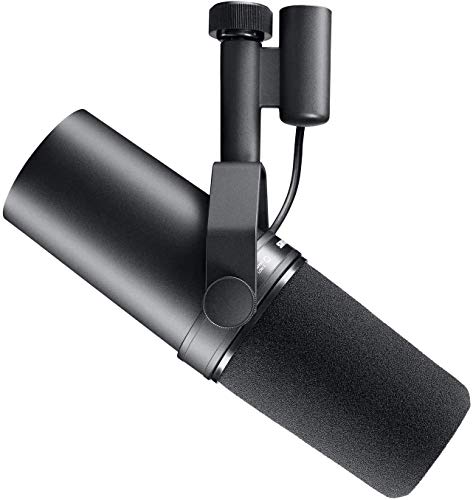
- Warm, balanced vocal response
- Cardioid pickup and built-in pop filtering
- Rugged, shielded all-metal construction
Best For: Experienced creators with an XLR interface and ample gain
Best Broadcast-Ready Value
RØDE PodMic Cardioid Dynamic Microphone

- Speech-focused broadcast capsule
- Internal pop filter and shock mount
- Durable all-metal body with swing mount
Best For: XLR podcast setups in untreated rooms
Best USB Feature Set
ZealSound K66 USB Podcast Microphone

- Plug-and-play USB connectivity
- Zero-latency headphone monitoring
- Mute, gain, volume, and noise reduction controls
Best For: Multi-platform creators who want built-in controls and monitoring
Best XLR Value

- Focused cardioid voice isolation
- Durable all-metal construction
- XLR connection for interfaces and mixers
Best For: Dedicated XLR podcasting setups
Best Wireless Flexibility
MAONO PD200W Hybrid Wireless Mic

- Wireless, USB, and XLR connectivity
- Up to 60 hours of battery life
- Supports two wireless mics with one receiver
Best For: Flexible solo or two-person podcast setups
Best Smart USB/XLR Upgrade

- USB-C and XLR connectivity
- Auto leveling and real-time denoising
- LED touch controls with tap-to-mute
Best For: Feature-focused podcasting and streaming
Best Hybrid Value

- USB and XLR outputs
- Cardioid pickup with windscreen
- USB mute, gain, and monitoring controls
Best For: Creators wanting a flexible USB-to-XLR upgrade path
Best Complete Desktop Kit

- Includes stand, shock mount, pop filter, and cables
- USB/XLR dual-mode connectivity
- Zero-latency headphone monitoring
Best For: First-time podcasters seeking a ready-to-use desktop setup
Best Boom Arm Bundle

- Includes metal boom arm and shock mount
- USB/XLR connectivity with USB controls
- Windscreen helps reduce plosives
Best For: Creators wanting an adjustable, desk-mounted podcast setup
Best Hybrid Pick – Samson Q2U USB/XLR Dynamic Microphone
The Samson Q2U is a practical dynamic microphone for podcasting when you want both USB-C convenience and an XLR upgrade path. Its unidirectional pickup pattern, handheld design, and included desktop stand make it easy to begin recording from a computer.
Best For: Beginners and creators who want flexible USB-C and XLR connectivity in one package.
Pros:
- Supports both USB-C and XLR connections.
- Includes a tripod desktop stand, extension, mic clip, windscreen, and both cables.
- Unidirectional dynamic design is suited to focused voice recording.
Cons:
- USB-C recording depends on a compatible computer interface.
- Its handheld form factor may be less polished than a dedicated studio-mounted microphone.
The Q2U stands out for value and flexibility: use USB-C for a simple setup now, then move to an audio interface through XLR later.
Best Professional Vocal Sound – Shure SM7B Dynamic Microphone
The Shure SM7B is a premium dynamic microphone for podcasting, broadcasting, voiceover, and streaming. Its cardioid pickup pattern, shielding, pop filtering, and shock isolation are designed to keep close-miked vocals focused and controlled.
Best For: Professional podcasters and streamers using an XLR interface or mixer with substantial gain.
Pros:
- Wide-range 50Hz–20kHz frequency response for warm, balanced vocals.
- Cardioid pickup, air suspension, and electromagnetic shielding help reduce room interference and hum.
- Includes close-talk and foam windscreens plus a locking yoke mount.
Cons:
- Requires an XLR connection and at least 60dB of gain is recommended.
- Does not include a USB output.
- At 2.7 pounds, it is relatively heavy for a microphone.
The SM7B is built for controlled, studio-style vocal recording, but its XLR-only design and gain requirements make it a better fit for established setups than first-time USB users.
Best Broadcast-Ready Value – RØDE PodMic Cardioid Dynamic Microphone
The RØDE PodMic is a focused dynamic microphone for podcasting with a broadcast-oriented capsule and cardioid pickup pattern. Its internal pop filter and shock mounting help manage plosives and desk thumps, while the integrated swing mount simplifies positioning.
Best For: Podcasters using an XLR interface, mixer, or RØDECaster in a home or untreated room.
Pros:
- Broadcast-tuned dynamic capsule is designed for speech.
- Internal pop filter and shock mounting reduce the need for extra accessories.
- All-metal construction and integrated swing mount provide a durable setup.
Cons:
- Requires an XLR interface or mixer and is not a USB microphone.
- Its table-oriented form factor may require careful placement for comfortable use.
The PodMic offers a straightforward broadcast package for XLR users, especially those recording in spaces where rejecting room noise is important.
Best USB Feature Set – ZealSound K66 USB Podcast Microphone
The ZealSound K66 is a USB microphone for podcasting that emphasizes plug-and-play convenience and hands-on controls. Its condenser capsule, cardioid pattern, noise reduction mode, mute button, and headphone monitoring make it suited to computer and mobile content creation.
Best For: Creators who want USB recording, built-in monitoring, adjustable controls, and broad device compatibility.
Pros:
- Includes microphone, monitoring, and echo controls plus a mute button.
- Built-in 3.5mm headphone jack provides zero-latency monitoring.
- Supports Windows, Mac, PS4, PS5, and mobile devices with included USB-C and Lightning adapters.
Cons:
- It is a condenser microphone rather than a dynamic model.
- Noise reduction mode may alter the natural vocal tone compared with default mode.
- Its feature-rich design may be more control than a simple podcast setup requires.
The K66 is a versatile USB option for creators moving between computers, consoles, and mobile devices, particularly when monitoring and quick adjustments matter.
Best XLR Value – Shure MV7X
The Shure MV7X is a focused, durable dynamic microphone for podcasting that uses an XLR connection for reliable integration with an audio interface or mixer. Its cardioid pickup, integrated shock mount, and broadcast-inspired design make it a practical choice for spoken-word recording.
Best For: Podcasters and vocal creators with an audio interface or mixer who want focused XLR sound capture.
Pros:
- Cardioid voice isolation helps reduce room noise and background distractions.
- Rugged all-metal construction with an adjustable yoke mount.
- Includes a 3/8-inch to 5/8-inch adapter for common stands and boom arms.
Cons:
- XLR-only connectivity requires an audio interface or mixer.
- Does not include USB connectivity or onboard software controls.
Choose the MV7X if you already have compatible recording hardware and prefer a straightforward, studio-oriented setup. It is less convenient for plug-and-play users, but its focused pickup and sturdy construction suit dedicated podcasting rigs.
Best Wireless Flexibility – MAONO PD200W Hybrid Wireless Mic
The MAONO PD200W is a versatile dynamic microphone for podcasting with wireless, USB, and XLR connection options. It combines a cardioid capsule and three-stage noise cancellation with a desktop stand, making it suitable for creators who want to switch between portable and desktop recording.
Best For: Podcasters who need wireless freedom, plug-and-play USB recording, or flexible XLR connectivity.
Pros:
- Supports wireless, USB, and XLR operation.
- Offers up to a 60-meter wireless range and up to 60 hours of battery life with RGB off.
- Can support two wireless microphones through one receiver for duo podcasts or interviews.
- Includes a desktop stand, receiver, cables, and adapters.
Cons:
- At 1.32 kg, it is heavier than a simple wired microphone.
- Camera and Lightning accessories are sold separately.
- Wireless operation requires battery management.
The PD200W stands out for setup flexibility: use wireless for mobility, USB for convenience, or XLR for a more traditional interface-based workflow. Its app controls, noise cancellation, and two-mic support add useful options for varied podcast formats.
Best Smart USB/XLR Upgrade – Shure MV7+ USB-C & XLR
The Shure MV7+ is a feature-rich dynamic microphone for podcasting that combines USB-C convenience with XLR flexibility. Auto Level Mode, real-time denoising, a tap-to-mute LED panel, and built-in reverb effects make it well suited to creators who want more control without adding as much external processing.
Best For: Podcasters, streamers, and video-call users who want USB simplicity plus an upgrade path to XLR.
Pros:
- USB-C and XLR outputs support computers, mobile devices, interfaces, and mixers.
- Auto Level Mode helps maintain consistent gain as recording distance or volume changes.
- Real-time denoising helps reduce background noise.
- Full-color LED touch panel provides level monitoring and tap-to-mute control.
Cons:
- Built-in features may be more than needed for a basic recording setup.
- Its listed form factor and 1.9-pound weight may be less convenient for handheld use.
- Reverb effects are not essential for every spoken-word workflow.
The MV7+ is a strong choice when convenience and customization matter as much as core microphone performance. USB-C makes it accessible for direct recording, while XLR connectivity preserves compatibility with more advanced studio systems.
Best Hybrid Value – FIFINE AmpliTank K688
The FIFINE AmpliTank K688 is a flexible dynamic microphone for podcasting with both USB and XLR outputs. Its cardioid pickup pattern, front-panel USB controls, and headphone monitoring make it practical for desktop recording, streaming, and voice work.
Best For: Podcasters and creators who want USB convenience now with the option to upgrade to an XLR mixer or interface later.
Pros:
- USB and XLR connectivity supports both plug-and-play and studio-style setups.
- Cardioid pickup and included windscreen help reduce background noise and plosive sounds.
- USB mode includes tap-to-mute, gain control, headphone monitoring, and volume adjustment.
Cons:
- Arm stand, microphone stand, and XLR cable are not included.
- On-microphone controls are available only through the USB connection.
The K688 is a strong choice when flexible connections and convenient USB controls matter more than receiving a complete desk-mounted kit. Plan to supply an XLR cable and stand if you choose the studio connection.
Best Complete Desktop Kit – MAONO HD300T
The MAONO HD300T is a convenient dynamic microphone for podcasting that includes both USB and XLR connections plus the core accessories needed for a desktop setup. Its cardioid dynamic capsule, zero-latency monitoring, and included stand make it well suited to new and experienced creators.
Best For: Podcasters, streamers, singers, and remote workers who want an out-of-the-box desktop recording package.
Pros:
- Includes a metal desktop stand, shock mount, pop filter, USB cable, and XLR cable.
- USB plug-and-play and XLR connectivity work with computers, mixers, and audio interfaces.
- Built-in headphone monitoring and volume control support real-time recording adjustments.
Cons:
- The supplied notes do not specify a boom arm, so the included setup is desktop-oriented.
- Its controls and monitoring benefits are most directly suited to USB recording.
Choose the HD300T if you want fewer additional purchases before recording. It combines a practical accessory bundle with connection flexibility for home studios, podcasts, and general voice production.
Best Boom Arm Bundle – FIFINE AmpliTank K688CT
The FIFINE AmpliTank K688CT pairs a USB/XLR dynamic microphone for podcasting with a metal boom arm, shock mount, and windscreen. The suspended setup helps keep the microphone positioned near your voice while reducing desk vibration and handling noise.
Best For: Podcasters and streamers who prefer an adjustable boom-arm setup with built-in USB controls and an XLR upgrade option.
Pros:
- Includes a durable boom arm, shock mount, and windscreen for a more complete recording setup.
- USB and XLR connections provide plug-and-play or interface-based recording.
- USB mode offers tap-to-mute, gain control, headphone monitoring, and volume adjustment.
Cons:
- The C-clamp fits desks under 2 inches thick.
- Microphone controls are unavailable when using the XLR connection.
- For best input volume, the microphone should be used within approximately 2 to 6 inches.
The K688CT is the most setup-focused option here, especially if you want the microphone off the desktop and close to your speaking position. Its USB controls are convenient, while XLR keeps the kit viable for a more advanced audio chain.
How We Picked the Best Dynamic Microphone for Podcasting
We focused on the features that matter most for spoken-word recording: vocal clarity, background-noise rejection, connection options, monitoring, controls, build quality, and setup flexibility. The lineup includes USB microphones for plug-and-play recording, XLR models for audio interfaces and mixers, and hybrid microphones that support both connection types.
We also considered whether each microphone suits common podcasting situations, including solo recording, co-hosted shows, streaming, remote interviews, and portable setups. Accessories such as stands, cables, shock mounts, and wireless support can add value, but the microphone’s sound and workflow remain the primary considerations.
Quick Comparison
| Best For | Recommended Type | What to Look For |
|---|---|---|
| Simple computer recording | USB dynamic microphone | Plug-and-play setup, headphone monitoring, mute and gain controls |
| Audio interface users | XLR dynamic microphone | Reliable off-axis rejection, suitable output level, sturdy construction |
| Flexible home studios | USB/XLR hybrid | Both connection types, independent monitoring, easy switching |
| Professional vocal production | Broadcast-style XLR model | Controlled proximity effect, low handling noise, clean preamp performance |
| Mobile or multi-location recording | Wireless or compact model | Battery life, dependable transmission, simple controls, portability |
Key Buying Factors for a Dynamic Microphone for Podcasting
USB, XLR, or Both?
USB is the easiest choice for recording directly into a computer, while XLR works with audio interfaces, mixers, and more advanced studio setups. A hybrid microphone provides the most flexibility and can grow with your equipment, but it may cost more and require more desk space.
Room Noise and Vocal Pickup
Dynamic microphones generally capture less room ambience than many condenser microphones, making them useful in bedrooms, offices, and other untreated spaces. Cardioid pickup helps reject sound from behind the microphone, but placement still matters. Position the mic close to your mouth, speak toward the front, and use a boom arm or stable stand to reduce handling noise.
Gain, Monitoring, and Controls
Built-in headphone monitoring, a mute button, gain control, and mix adjustment can simplify podcast production. These features are particularly valuable for USB recording and live streaming, where you may need to monitor your voice without noticeable delay.
Interface Compatibility and Accessories
XLR microphones need an audio interface or mixer, and some models benefit from a preamp with ample clean gain. Check whether your interface can drive the microphone properly before buying. Also budget for a boom arm, pop filter or windscreen, and a shock mount if they are not included.
Who Should Buy Which Dynamic Microphone for Podcasting?
- Choose a USB model if you want the fastest path from unboxing to recording on a computer.
- Choose an XLR model if you already own an interface or plan to build a dedicated recording setup.
- Choose a USB/XLR hybrid if you want easy computer recording now but may add mixers or studio hardware later.
- Choose a premium broadcast microphone if vocal consistency, durable construction, and long-term studio use matter more than minimizing cost.
- Choose a wireless option if you record away from a desk, move around during production, or need a cleaner cable-free setup.
For most buyers, the best Dynamic Microphone for Podcasting is the one that matches both the room and the recording workflow. Prioritize connection compatibility and monitoring features first, then choose the model that fits your budget and upgrade plans.