The best dynamic microphones can deliver clear, focused sound while rejecting background noise, making them dependable choices for stages, studios, podcasts, streams, and home setups.
This roundup compares 10 versatile options, from proven handheld vocal mics and instrument specialists to USB/XLR models designed for modern creators.
Best 10 Dynamic Microphones Picks for 2026
Stage-Pro Standard
Shure SM58 Pro XLR Dynamic Vocal Microphone

- Cardioid pickup helps limit background noise and feedback.
- Built-in filter reduces plosives, breath, and wind noise.
- Rugged metal body is designed for demanding use.
Best For: Live vocals, podcasting, and dependable XLR recording
Accessible Vocal Starter
Sennheiser XS 1 Handheld Dynamic Microphone

- Cardioid pickup suits vocals and speech.
- Silent mute switch adds convenient control.
- Includes a clip and carrying pouch.
Best For: Straightforward vocal, speech, and karaoke setups
Broadcast Studio Favorite
Shure SM7B Dynamic Vocal Microphone
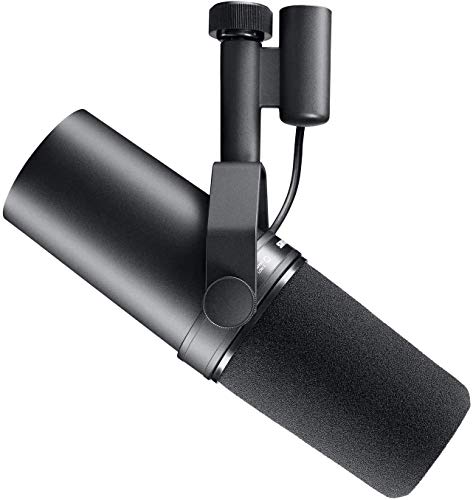
- Warm, balanced sound suits broadcast and close-mic vocals.
- Cardioid pickup and isolation help reduce room interference.
- Requires suitable XLR equipment and recommended gain.
Best For: Podcasting, streaming, voiceover, and studio vocals
Desk-Friendly Broadcast Pick
RØDE PodMic Cardioid Dynamic Broadcast Microphone

- Speech-focused capsule helps reject room noise.
- Internal pop filter and shock mounting simplify setup.
- All-metal desktop design uses an XLR connection.
Best For: Podcasting and streaming in untreated rooms
Premium Podcast Pick
Shure MV7+ USB-C & XLR Dynamic Mic

- USB-C and XLR connectivity
- Voice isolation, denoising, and auto level mode
- Includes desktop stand and USB-C cable
Best For: Podcasters, streamers, and content creators seeking advanced controls
Budget Stage Essential
Pyle PDMIC58 Cardioid Dynamic Mic

- Cardioid pickup helps limit background sound
- Rugged zinc-alloy handheld construction
- Includes 15-foot XLR-to-1/4-inch cable
Best For: Stage vocals, karaoke, presentations, and simple studio use
Gaming Setup Pick
FIFINE AmpliGame AM8T USB/XLR Mic Kit

- USB and XLR connectivity with included boom arm
- RGB lighting, mute, gain, and headphone controls
- Cardioid pickup for gaming and streaming
Best For: Gamers and streamers building a flexible desk setup
Instrument Clarity Pick

- Cardioid pickup minimizes bleed
- Presence boost adds instrument detail
- Rugged for studio and stage use
Best For: Close-miking instruments and amplifiers
Complete Stage Kit

- Three handheld mics in one kit
- Includes case, clips, and long cables
- Cardioid design helps limit feedback
Best For: Budget-conscious live vocal setups
Vocal Performance Choice

- Tuned for clear, warm vocals
- Cardioid pattern rejects off-axis noise
- On/off switch enables quick muting
Best For: Live vocals, speaking, and rehearsals
Stage-Pro Standard – Shure SM58 Pro XLR Dynamic Vocal Microphone
The Shure SM58 is one of the most dependable dynamic microphones for vocals, live performance, podcasting, and recording. Its cardioid pattern helps focus on the speaker or singer while its rugged metal construction is suited to regular transport and demanding use.
Best For: Vocalists, live performers, podcasters, and buyers seeking an established handheld XLR microphone.
Pros:
- Cardioid pickup helps reduce background noise and feedback.
- Built-in grille and filter help reduce plosives, breath, and wind noise.
- Rugged metal construction and reinforced stand adapter support road use.
- Includes a swivel stand adapter and storage bag.
Cons:
- XLR connectivity requires a compatible interface, mixer, or other audio equipment.
- Its handheld design may be less convenient for fixed desktop broadcasting than a dedicated broadcast microphone.
The SM58 is a practical choice when durability, focused vocal pickup, and familiar stage-ready performance matter more than built-in USB connectivity.
Accessible Vocal Starter – Sennheiser XS 1 Handheld Dynamic Microphone
The Sennheiser XS 1 is a straightforward choice among dynamic microphones for singing and speech. It combines a handheld cardioid design with a silent mute switch, making it useful for performances, karaoke setups, amplifiers, mixers, and speakers.
Best For: Singers, presenters, karaoke users, and beginners who need a simple handheld XLR microphone.
Pros:
- Cardioid pattern provides focused, unidirectional pickup.
- Silent mute switch allows discreet control during use.
- Metal enclosure offers a durable handheld design.
- Includes a mic clip and carrying pouch.
Cons:
- Requires a compatible three-pin XLR connection.
- The supplied notes provide fewer detailed sound-shaping features than some studio-focused alternatives.
With its simple controls and included accessories, the XS 1 is a sensible option for users who want an uncomplicated dynamic vocal microphone for everyday performance or speech.
Broadcast Studio Favorite – Shure SM7B Dynamic Vocal Microphone
The Shure SM7B is a studio-oriented choice among dynamic microphones, built for warm, balanced vocals in podcasting, streaming, voiceover, singing, and recording. Its cardioid pickup, isolation features, pop filtering, and electromagnetic shielding are designed for controlled close-mic work.
Best For: Podcasters, streamers, broadcasters, voiceover artists, and studio vocalists with an XLR setup.
Pros:
- Wide-range response supports warm, clear vocal reproduction.
- Cardioid pickup and air suspension help reduce room sound and handling vibration.
- Built-in pop filtering and included windscreens help control plosives and breath noise.
- All-metal construction and electromagnetic shielding support reliable studio use.
Cons:
- Requires an XLR interface or mixer and at least 60 dB of gain is recommended.
- It is heavier and less portable than a typical handheld vocal microphone.
- Does not provide USB connectivity.
The SM7B makes the most sense for creators prepared to use suitable gain and XLR equipment in exchange for a refined, broadcast-style vocal setup.
Desk-Friendly Broadcast Pick – RØDE PodMic Cardioid Dynamic Broadcast Microphone
The RØDE PodMic is a broadcast-focused option among dynamic microphones for speech and podcasting. Its cardioid capsule is tuned for untreated rooms, while the internal pop filter, shock mounting, integrated swing mount, and all-metal body simplify a desktop XLR setup.
Best For: Podcasters and streamers who want a robust, desk-oriented microphone with built-in pop and vibration control.
Pros:
- Broadcast capsule is designed to reject room noise in untreated spaces.
- Internal pop filter helps manage plosives without an extra accessory.
- Integrated shock mounting helps reduce desk thumps.
- All-metal construction and integrated swing mount support a permanent desktop setup.
Cons:
- Requires an XLR interface, mixer, or RØDECaster; it is not a USB microphone.
- Its table-oriented form factor is less suitable for handheld vocal performance.
The PodMic is a focused choice for speech-first recording, especially when you want a sturdy desktop microphone with built-in protection and mounting features.
Premium Podcast Pick – Shure MV7+ USB-C & XLR Dynamic Mic
For creators who want flexible dynamic microphones with polished digital controls, the Shure MV7+ combines USB-C and XLR connectivity with voice isolation, real-time denoising, and automatic level adjustment. Its included desktop stand makes it a practical choice for podcasting, streaming, recording, and remote work.
Best For: Podcasters, streamers, and content creators who want advanced audio processing and both USB and XLR connection options.
Pros:
- USB-C and XLR connectivity supports beginner and more advanced setups.
- Voice Isolation Technology, real-time denoiser, auto level mode, and digital pop filtering help produce clean vocals.
- Includes an adjustable desktop stand, USB-C cable, and foam windscreen.
- LED touch panel provides mute control and customizable lighting.
Cons:
- Its feature-rich design may be more than needed for simple vocal use.
- The listed item weight is 3.6 pounds, so it is less portable than a basic handheld microphone.
The MV7+ is the most feature-focused option here, especially if you want processing and monitoring controls without giving up an XLR upgrade path. It is a strong fit for a dedicated desk-based creator setup.
Budget Stage Essential – Pyle PDMIC58 Cardioid Dynamic Mic
Among dynamic microphones, the Pyle PDMIC58 is a straightforward wired handheld option for vocals, karaoke, amplified instruments, and basic studio work. Its cardioid pickup pattern, rugged zinc-alloy body, built-in pop filter, and included 15-foot cable keep the setup simple.
Best For: Singers, karaoke users, presenters, and buyers who need an affordable plug-in XLR microphone for stage or studio use.
Pros:
- Unidirectional cardioid pickup helps reduce background noise and feedback.
- Rugged zinc-alloy construction and steel mesh windscreen are suited to demanding use.
- Built-in pop filter helps reduce breath and plosive noise.
- Includes a 15-foot XLR-to-1/4-inch cable and requires no batteries.
Cons:
- Uses wired XLR connectivity rather than USB.
- It has fewer built-in controls and features than the other microphones in this roundup.
The PDMIC58 is a practical choice when durability, a long included cable, and easy plug-in operation matter more than software controls or USB convenience.
Gaming Setup Pick – FIFINE AmpliGame AM8T USB/XLR Mic Kit
The FIFINE AmpliGame AM8T stands out among dynamic microphones as a complete PC-focused kit with USB and XLR outputs, a boom arm, RGB lighting, and direct headphone monitoring. Its cardioid pattern, mute button, gain control, and plug-and-play USB connection suit gaming, streaming, podcasting, and voice recording.
Best For: Gamers and streamers who want a desk-mounted microphone kit with RGB effects, monitoring, and an upgrade path to XLR.
Pros:
- USB plug-and-play connectivity works with PCs, while XLR supports mixers and audio interfaces.
- Includes a boom arm, clamp, USB-to-USB-C cable, and external windscreen.
- Built-in mute, gain, headphone volume, and real-time monitoring controls are useful during streams.
- Customizable RGB lighting can be controlled directly from the microphone.
Cons:
- An XLR cable is not included.
- The included desk clamp is intended for desktops less than 2 inches thick.
The AM8T offers strong setup value for PC creators who want more than a bare microphone. Its included arm and USB controls make it convenient out of the box, while XLR connectivity leaves room for a more advanced audio chain.
Instrument Clarity Pick – Shure SM57
The Shure SM57 is one of the most versatile dynamic microphones for recording and live instrument work. Its cardioid pattern helps reduce bleed, while the contoured response adds attack and clarity to guitar amps, snare drums, brass, and other sources.
Best For: Close-miking instruments, guitar cabinets, drums, percussion, brass, and studio or stage use.
Pros:
- Focused cardioid pickup helps isolate the main sound source.
- Presence boost enhances instrument attack and detail.
- Rugged construction handles frequent transport and high sound pressure levels.
- Works across a wide range of instruments and recording environments.
Cons:
- Designed primarily for instrument capture rather than a dedicated vocal sound.
- Requires a wired XLR connection.
The SM57 is a dependable choice when you need a professional dynamic microphone that can move between studio sessions, live mixes, and demanding instrument setups without fuss.
Complete Stage Kit – Pyle PDMICKT34
The Pyle PDMICKT34 is a practical entry-level set of dynamic microphones for buyers who need multiple handheld mics and essential accessories in one package. Its cardioid pattern supports vocal and amplified-instrument use, while the included case, clips, and long XLR-to-1/4-inch cables simplify setup and transport.
Best For: Live vocals, rehearsals, small stage setups, amplified instruments, and buyers needing a multi-microphone kit.
Pros:
- Three-piece kit provides multiple handheld microphones.
- Includes a hard carry case, storage bag, clips, and 26-foot-plus cables.
- Cardioid pickup helps reduce off-axis noise and feedback.
- All-metal construction includes a zinc die-cast body and steel mesh grille.
Cons:
- The included cables use XLR-to-1/4-inch connections, which may not suit every mixer.
- Less specialized than purpose-built vocal or instrument microphones.
This kit emphasizes convenience and coverage rather than specialized tonal shaping, making it a sensible option when a complete, portable dynamic microphone package matters most.
Vocal Performance Choice – Shure SM58S
The Shure SM58S is a vocal-focused dynamic microphone built for clear, warm, and present performance sound. Its cardioid pattern helps reject off-axis noise, while the integrated on/off switch makes quick muting convenient for live shows, presentations, and rehearsals.
Best For: Live singers, speakers, rehearsals, houses of worship, and vocal recording with a wired XLR setup.
Pros:
- Tuned response supports clear and present vocals.
- Cardioid pickup helps reject monitors, instruments, and crowd noise.
- Hardened grille and internal filtering help control plosives and handling noise.
- On/off switch allows quick muting without unplugging.
Cons:
- Its vocal-oriented design is less tailored to detailed instrument miking.
- Requires a wired XLR connection and compatible audio equipment.
For singers and speakers who want a proven stage-oriented dynamic microphone with convenient mute control, the SM58S offers focused pickup and durable construction in a straightforward package.
How We Picked the Best Dynamic Microphones
We focused on practical performance, connection options, build quality, intended use, and overall value. The lineup includes established Shure and Sennheiser models, broadcast-focused microphones from RØDE, flexible USB/XLR choices, and affordable kits for beginners or multi-mic setups.
We also considered polar pattern, ease of setup, included accessories, and whether each microphone suits vocals, instruments, podcasting, gaming, streaming, or live use. No single microphone is ideal for every application, so the recommendations are organized around common buyer priorities rather than one universal ranking.
Quick Comparison
| Best For | Recommended Type | Connection |
|---|---|---|
| Live vocals | Handheld cardioid microphone | XLR |
| Podcasting and broadcasting | Close-range broadcast microphone | XLR or USB/XLR |
| Streaming and gaming | Desktop dynamic microphone | USB/XLR |
| Recording instruments | Focused instrument microphone | XLR |
| Budget or multi-mic setups | Value microphone kit | XLR |
Key Buying Factors for Dynamic Microphones
Connection and Equipment
Most traditional Dynamic Microphones use XLR and require an audio interface, mixer, or compatible recorder. USB/XLR models offer more flexibility: USB is convenient for computers, while XLR supports interfaces and more advanced signal chains. Check whether your setup provides the required cable, stand, and input.
Pickup Pattern and Noise Control
Cardioid microphones emphasize sound from the front and reduce pickup from the sides and rear. This is useful on stages, at desks, and in untreated rooms. Even with good rejection, placement matters: speak or sing close to the front of the microphone and keep monitors or loud sources behind it when possible.
Voice, Instrument, and Placement
Broadcast microphones are generally designed for close spoken-word use, while handheld vocal models prioritize clarity, durability, and feedback resistance. Instrument microphones may have a tighter response that works better on guitar cabinets, drums, and other loud sources. Match the microphone to the source instead of choosing based only on popularity.
Accessories and Long-Term Value
Built-in pop protection, shock isolation, a stand, clips, cables, and a carrying case can reduce the cost of completing your setup. Also consider weight, grille durability, switch placement, and replacement accessories if the microphone will travel frequently.
Who Should Buy Which Dynamic Microphones?
- Choose a classic handheld cardioid model if you need a dependable microphone for live vocals, rehearsals, presentations, or general-purpose use.
- Choose a broadcast-focused XLR microphone if you already own an interface and want controlled, close-range sound for podcasting or voice work.
- Choose a USB/XLR microphone if you are streaming or podcasting now but may upgrade to an interface later.
- Choose an instrument microphone if your priority is guitar, drums, amplifiers, or other loud recorded sources rather than spoken vocals.
- Choose a budget kit if you need several microphones, basic accessories, or an affordable starting point for karaoke, events, or group recording.
Before buying, confirm the connector, mounting method, and required accessories. A well-matched microphone and sensible placement usually matter more than adding expensive equipment around an unsuitable model.