The best loop stations with rhythm tracks do more than repeat a phrase: they help you build complete musical ideas with drums, bass-like patterns, and synchronized layers.
This roundup compares 10 options across compact pedalboards, tabletop performance setups, and advanced live-looping rigs, so you can choose based on workflow, control, recording time, and rhythm flexibility.
Best 10 Loop Stations with Rhythm Tracks Picks for 2026
Genre-Spanning Choice
BOSS RC-10R Rhythm Loop Station

- 280 preset rhythm styles with fills and song sections
- 16 BOSS and Roland drum kits
- Two-track looping with six hours of recording
Best For: Compact song-based looping with varied rhythm accompaniment
Tabletop Performance Hub

- Five stereo tracks for layered performances
- Two XLR microphone inputs with phantom power
- Built-in rhythm generator and stereo line inputs
Best For: Vocal, beatbox, and tabletop multi-layer performances
Dual-Track Workhorse

- Two tracks with 13 hours of stereo recording
- Onboard rhythm tracks and color LCD
- XLR, 1/4-inch, and USB connectivity
Best For: Extended pedal-based looping with rhythm accompaniment
Compact Budget-Friendly Option
SORAN JLP-01 Rhythm Loop Pedal

- 360 seconds of stereo loop recording
- Eight drum styles with smart tempo sync
- USB-C WAV export and backing-track import
Best For: Portable practice and songwriting with simple drum accompaniment
Compact Rhythm Creator

- 57 rhythms with A/B variations and seven drum kits
- 13 hours of stereo recording and 99 phrase memories
- 32-bit processing with MIDI and USB connectivity
Best For: Compact pedalboard setups needing rhythm accompaniment
Professional Multi-Track Hub
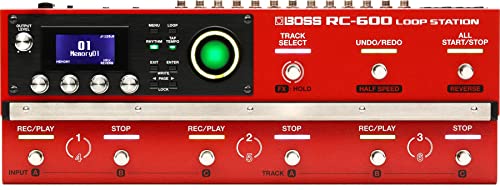
- Six stereo phrase tracks for layered performances
- XLR microphone inputs with phantom power
- Rhythm guide and 99 phrase memory presets
Best For: Live performers building complex vocal and instrumental loops
Three-Track Performance Classic

- Three stereo tracks with dedicated footswitches
- Expression pedal for real-time effects control
- Three hours of recording and 99 onboard memories
Best For: Guitarists wanting hands-on three-track performance control
Best Simple Starter

- Easy record, overdub, playback, undo, and redo controls
- 12 minutes of stereo recording
- Stereo I/O with phrase memory retention
Best For: Beginners and players who want simple layered looping
Best for Live Looping Control

- Hands-on faders and dedicated track controls
- 49 Input FX and 53 Track FX types
- XLR, line, USB, MIDI, and flexible routing
Best For: Live vocalists and multi-layer performers
Best with Built-In Rhythms

- 16 drum kits and 57 preset rhythms
- Dual-track looping with 13 hours of stereo recording
- 99 phrase memories and USB WAV management
Best For: Solo performers who want onboard drum patterns
Genre-Spanning Choice – BOSS RC-10R Rhythm Loop Station
The BOSS RC-10R is a strong choice among loop stations with rhythm tracks when you want song-based looping in a compact pedal. Its 280 preset styles, two-track operation, and dedicated rhythm sections make it practical for building structured performances.
Best For: Guitarists and performers who want varied preset rhythms, song-style transitions, and a small footprint.
Pros:
- Includes more than 280 rhythm styles with intros, endings, and fills.
- Offers 16 drum kits from BOSS and Roland rhythm libraries.
- Provides two-track operation, six hours of recording, and 99 phrase memories.
- Full MIDI I/O and selectable output filtering support broader setups.
Cons:
- Its focused two-track design is less expansive than a five-track tabletop looper.
- Power comes from a corded 9V supply rather than a listed battery option.
The RC-10R stands out for players who need rhythm variety and clear song sections without moving to a larger tabletop unit.
Tabletop Performance Hub – BOSS RC-505 Mk2 Loop Station
The BOSS RC-505 Mk2 is designed for hands-on tabletop performance and is one of the more capable loop stations with rhythm tracks for multi-layer arrangements. Five stereo tracks, microphone inputs with phantom power, line inputs, and a rhythm generator give performers room to build complex sets.
Best For: Vocalists, beatboxers, electronic performers, and musicians who prefer tabletop controls over a conventional foot pedal.
Pros:
- Provides five stereo tracks for layered loop arrangements.
- Includes two XLR microphone inputs with phantom power.
- Offers two stereo line input pairs and a built-in rhythm generator.
- Tabletop format supports direct access to looping controls.
Cons:
- Its tabletop design is less suited to players seeking a compact pedalboard unit.
- The supplied details do not specify recording time or preset rhythm count.
Choose the RC-505 Mk2 when track count, microphone connectivity, and immediate tabletop control matter more than pedal-sized portability.
Dual-Track Workhorse – BOSS RC-500 Loop Station
The BOSS RC-500 balances pedal-style control with useful rhythm features, making it a practical option among loop stations with rhythm tracks. It combines two-track looping, onboard rhythms, 13 hours of stereo recording, and USB import/export in a compact floor format.
Best For: Guitarists and other instrumentalists who want extended recording time, stereo looping, and onboard rhythm accompaniment.
Pros:
- Offers two tracks and up to 13 hours of stereo recording time.
- Includes onboard rhythm tracks and a color LCD.
- Provides XLR and 1/4-inch inputs for flexible connections.
- USB import/export supports moving loop material between the unit and a computer.
Cons:
- Two tracks provide less layering capacity than the RC-505 Mk2’s five stereo tracks.
- A power adapter is required, and the listed BMIDI adapter is available separately.
The RC-500 is a well-rounded floor looper for players who want generous recording capacity and rhythm support without switching to a tabletop controller.
Compact Budget-Friendly Option – SORAN JLP-01 Rhythm Loop Pedal
The SORAN JLP-01 offers a straightforward entry point to loop stations with rhythm tracks, combining 360 seconds of stereo looping with eight drum styles and smart tempo sync. Its compact metal enclosure and USB-C export make it useful for practice, songwriting, and simple live jams.
Best For: Guitarists who want an affordable, portable looper with basic drum accompaniment and computer-friendly loop export.
Pros:
- Records up to 360 seconds of 24-bit/44.1kHz stereo loops.
- Includes eight drum styles with smart tempo sync and tap tempo.
- Separate loop and drum volume controls help shape the mix.
- USB-C supports WAV export and custom backing-track import.
Cons:
- Its single footswitch may be less convenient for advanced multi-control performances.
- The power supply is not included.
- It offers fewer drum styles and less stated recording capacity than the BOSS options.
The JLP-01 is best suited to players prioritizing portability, simple operation, and USB-C file handling over extensive song-memory and track-management features.
Compact Rhythm Creator – BOSS RC-5 Loop Station
If you want loop stations with rhythm tracks in a compact pedalboard-friendly format, the BOSS RC-5 combines stereo looping, onboard rhythms, and practical connectivity. Its 57 rhythms, A/B variations, and seven drum kits provide plenty of accompaniment options, while 13 hours of recording and 99 phrase memories support extensive loop storage.
Best For: Musicians who want a compact, high-quality looper with built-in rhythm accompaniment for practice, performance, and creative experimentation.
Pros:
- 57 rhythms with A/B variations and seven drum kits.
- 13 hours of stereo recording with 99 phrase memories.
- 32-bit AD/DA conversion and 32-bit floating-point processing.
- Multi-color LCD, MIDI I/O, USB, and external control support.
Cons:
- Single-track looping may be less flexible than multi-track designs.
- Optional PSA adapter is needed for extended non-battery use.
The RC-5 is a strong choice when space, audio quality, and rhythm variety matter. Its single-track design is straightforward, but performers needing separately controlled phrase tracks may prefer a larger model.
Professional Multi-Track Hub – Boss RC-600 Loop Station
For performers seeking loop stations with rhythm tracks and extensive live control, the Boss RC-600 offers six stereo phrase tracks alongside a rhythm guide. Its multiple inputs, including two XLR microphone inputs with phantom power and two stereo instrument or line input pairs, make it suited to complex performance setups.
Best For: Live musicians, vocalists, and multi-instrumentalists who need multiple stereo tracks and varied input options.
Pros:
- Six stereo phrase tracks for layered arrangements.
- Two XLR microphone inputs with phantom power.
- Two stereo instrument or line input pairs.
- 99 phrase memory presets and a rhythm guide.
Cons:
- Larger and heavier than compact loop pedals.
- Designed for corded electric power rather than battery operation.
The RC-600 is the most capable option here for elaborate, multi-source looping. Its larger footprint and corded design are trade-offs for the six stereo tracks and broader input configuration.
Three-Track Performance Classic – BOSS RC-300 Loop Station
The BOSS RC-300 is a practical option among loop stations with rhythm tracks for musicians who want three stereo tracks with dedicated footswitches and controls. It also provides an expression pedal for real-time effects control, up to three hours of internal recording, and 99 onboard memories.
Best For: Guitarists and performers who want dedicated control over three stereo loop tracks and hands-on effects operation.
Pros:
- Three stereo tracks with dedicated footswitches and controls.
- Expression pedal enables real-time effects control.
- Up to three hours of internal recording and 99 memories.
- Broad effects selection, including delay, reverb, modulation, and pitch shifting.
Cons:
- Recording capacity is shorter than the RC-5’s listed 13 hours.
- Its three-track design offers fewer tracks than the RC-600.
The RC-300 balances hands-on performance control with three-track looping and a wide effects selection. It remains a sensible fit for players who want more track separation than a compact single-track pedal without moving to a six-track system.
Best Simple Starter – RC-1 Loop Station
The BOSS RC-1 is a straightforward choice for musicians exploring loop stations with rhythm tracks, though its supplied features focus on phrase looping rather than onboard rhythm playback. It records, plays back, overdubs, and retains loops in memory after power-off, making it easy to build layered parts.
Best For: Guitar, bass, and keyboard players who want an uncomplicated stereo looper for practice, songwriting, and live layering.
Pros:
- User-friendly controls with an intuitive 24-segment loop indicator.
- Up to 12 minutes of stereo recording time.
- Supports stereo inputs and outputs and retains recorded phrases after shutdown.
- Includes a 9-volt battery and supports an optional PSA-series AC adaptor.
Cons:
- No onboard rhythm library is listed in the supplied specifications.
- Only basic loop functions and a single control knob are described.
- Optional AC adaptor is sold separately.
The RC-1 prioritizes simplicity over advanced rhythm or performance features. Choose it when reliable, easy-to-learn looping matters more than built-in drum patterns or deep track control.
Best for Live Looping Control – RC-505 MkII Loop Station
The BOSS RC-505 MkII is designed for performers who need hands-on control over multiple loops, effects, and inputs. For musicians seeking loop stations with rhythm tracks, it offers extensive routing and monitoring options, although the supplied notes do not specify a built-in rhythm library.
Best For: Vocalists, beatboxers, instrumentalists, and stage performers who want a tabletop looper with detailed track, effect, and mixer control.
Pros:
- Dedicated FX and Track buttons plus longer-throw faders for live adjustments.
- Five effects sections with 49 Input FX and 53 Track FX types.
- Two XLR mic inputs, stereo/mono line inputs, USB, MIDI, and extensive output routing.
- Supports external footswitches and expression pedals through two control jacks.
Cons:
- The tabletop workflow may be less convenient for players seeking a conventional foot pedal.
- Its broad feature set can require more setup and learning.
- Onboard rhythm tracks are not identified in the supplied product notes.
The RC-505 MkII is the most control-focused option here. Its multiple inputs, effects, faders, and routing make it especially capable for elaborate live sets, provided you are comfortable with a larger tabletop system.
Best with Built-In Rhythms – RC-500 Loop Station
The BOSS RC-500 is the strongest fit for shoppers specifically seeking loop stations with rhythm tracks. Its dual-track design includes 16 drum kits and 57 preset rhythms with A/B variations, alongside long recording time, phrase memories, and performance effects.
Best For: Solo performers and songwriters who want synchronized looping with onboard drum patterns, two-track control, and room to save many creations.
Pros:
- Includes 16 drum kits and 57 preset rhythms with A/B variations.
- Dual-track operation with onboard mixing and a multi-color LCD display.
- Offers up to 13 hours of stereo recording in a single-track configuration.
- Stores up to 99 phrase memories and supports USB WAV file management.
Cons:
- Advanced controls and external MIDI or footswitch options may take time to learn.
- Mini TRS MIDI connections require the separately available BMIDI-5-35 adaptor cable.
- Its listed warranty is one year.
With dedicated rhythm content, two tracks, and deep storage, the RC-500 is the most balanced choice for building complete solo arrangements. It adds considerably more performance flexibility than a basic looper without the RC-505 MkII’s tabletop-oriented control layout.
How We Picked the Best Loop Stations with Rhythm Tracks
We focused on loopers that combine phrase recording with built-in rhythm or drum-machine functions. The selection includes compact pedals for practice and pedalboards, dual- and multi-track units for structured songs, and tabletop loop stations designed for hands-on performance.
We also considered recording capacity, rhythm variety, tempo synchronization, footswitch or control layout, audio quality, input flexibility, and how easily each model can fit a real performance workflow. Because these products serve very different users, the most expensive or feature-heavy option is not automatically the best choice.
Quick Comparison
| Best For | What to Prioritize | Recommended Type |
|---|---|---|
| Practice and simple songwriting | Easy controls, built-in rhythms, compact size | Single- or dual-track pedal looper |
| Guitar pedalboards | Small footprint, reliable foot control, stereo support | Compact rhythm looper pedal |
| Structured song building | Multiple tracks, memory, quantization, longer recording time | Advanced multi-track looper |
| Live electronic performance | Hands-on controls, inputs, effects, flexible synchronization | Tabletop performance looper |
Key Buying Factors for Loop Stations with Rhythm Tracks
Rhythm Styles and Tempo Control
Check how many drum styles, kits, and variations are included. Smart tempo detection or tap-tempo control can make it easier to start a groove quickly, while MIDI synchronization matters if you plan to connect drum machines, keyboards, or other loopers.
Tracks, Loop Length, and Memory
A basic looper may be ideal for layering guitar and vocals, but multi-track models offer better control over verses, choruses, and independently muting parts. Review total recording time, phrase memory, and whether loops can be saved and recalled reliably.
Inputs, Outputs, and Sound Quality
Mono or stereo operation affects how well the unit handles keyboards, stereo effects, and complete backing tracks. Guitarists should check instrument input compatibility, while singers and multi-instrumentalists may need microphone inputs, phantom power, or separate channels. Higher-resolution audio can also preserve clarity in dense arrangements.
Control and Stage Usability
Footswitch spacing, display visibility, loop-status indicators, and hands-free rhythm controls become important during live use. Tabletop units can provide more immediate access to tracks and effects, but compact pedals usually integrate more naturally into a conventional pedalboard.
Who Should Buy Which Loop Stations with Rhythm Tracks?
Choose a compact entry-level model if you want straightforward looping for practice, lessons, or occasional songwriting. A rhythm-focused small pedal is a better fit when drum grooves and quick tempo matching matter more than extensive track management.
Move to a dual-track or multi-track unit if you write full arrangements, need separate sections, or want longer recording capacity. These models provide more control for live transitions and layered performances, though they require more setup time.
Tabletop loop stations are best for beatmakers, vocalists, keyboard players, and electronic performers who prefer visible controls and hands-on manipulation. Before buying, match the looper’s rhythm engine and connection options to your instruments, then prioritize the workflow you can operate confidently while playing.