The best multitrack recorder with MIDI sync can keep instruments, vocals, drum machines, and sequencers working together without forcing you into a computer-only workflow. The right model can serve as a standalone studio, live mixer, songwriting companion, or hardware control center.
Our roundup includes compact portable recorders, full-featured digital portastudios, and mixer-recorders with USB connectivity. Compare track counts, inputs, MIDI-related workflow needs, portability, and monitoring features to find the best fit for your setup.
Best 10 Multitrack Recorder with Midi Sync Picks for 2026
Studio Hub

- 12-channel mixer and multitrack recorder
- 12-in/10-out USB interface with MIDI functionality
- Tap-tempo click, EQ, compression, and dual headphones
Best For: Home studios needing mixer controls and DAW connectivity
Touchscreen Workstation
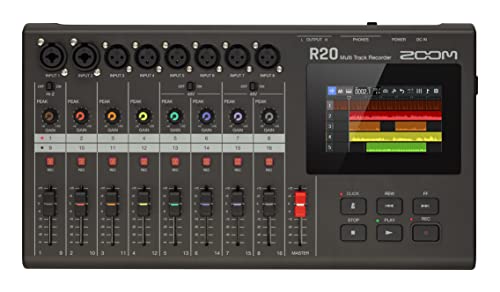
- Up to 16 tracks and eight simultaneous tracks
- Six XLR inputs plus combo inputs
- Standalone touchscreen editing, rhythms, and synth
Best For: Computer-free recording and full-band demos
Live Sync Engine

- Up to 16 mono or eight stereo playback tracks
- MIDI amp control and HDMI video sync
- 256GB storage with loops, markers, and show tools
Best For: Live shows requiring synchronized audio, video, and gear changes
Portable Idea Studio

- Eight-track touchscreen recorder
- MIDI-compatible synths and 150 drum loops
- USB-C interface with up to five hours of battery use
Best For: Portable songwriting and MIDI-assisted demo creation
Best All-in-One Studio
Tascam DP-24SD 24-Track Portastudio

- 24-track recording with eight XLR inputs
- Built-in effects and mastering tools
- USB 2.0 and color-screen workflow
Best For: Home studios needing extensive inputs and standalone production tools
Best Live Mixing Workflow

- 12-channel mixer with 14-track recording
- 24-bit/96kHz capture and 32-bit float mixing
- Physical faders plus optional wireless app control
Best For: Live performers needing hands-on mixing and high-resolution recording
Best Portable Production Value

- 24-track recorder with eight XLR combo inputs
- Built-in stereo microphones and pad sampler
- USB interface and controller for major computer platforms
Best For: Mobile recording, overdubs, and compact computer-based setups
Portable Starter
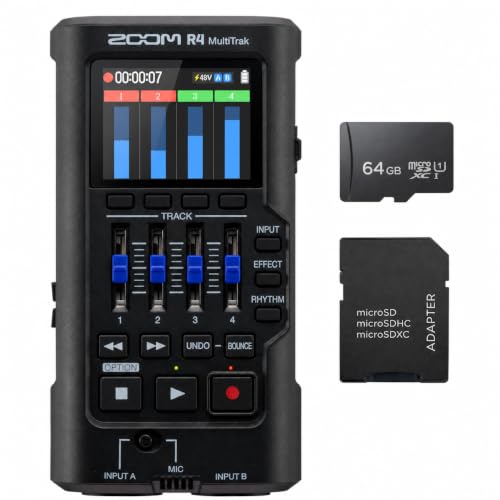
- Compact recorder with two XLR/TRS combo inputs
- 32-bit float recording and built-in stereo microphone
- Includes 64GB microSD card and adapter
Best For: Portable demos and simple musician recording setups
Full-Input Workstation

- Eight XLR/1/4-inch combination inputs
- Eight-channel simultaneous recording with 16-channel playback
- Includes 135 built-in effects and USB audio interface
Best For: Bands and home studios recording multiple sources
Creative Compact Studio

- Eight-track simultaneous recording and 16-track playback
- Built-in stereo microphones, pad sampler, and rhythm machine
- USB audio interface with support for up to 32GB SDHC cards
Best For: Solo producers and songwriters building layered arrangements
Studio Hub – Tascam Model 12
The Tascam Model 12 is a practical choice when you want a multitrack recorder with MIDI sync-related functionality plus mixer and computer connectivity. It combines 12 channels, a 12-in/10-out USB audio interface, onboard MIDI functionality, tap-tempo click output, and hands-on channel processing in one desktop unit.
Best For: Home studios and musicians who want a mixer-style multitrack setup with USB DAW integration and onboard MIDI features.
Pros:
- 12-channel design with 12-in/10-out USB audio connectivity
- Onboard MIDI functionality and tap-tempo click output
- Built-in one-knob compressor and three-band EQ on input modules
- Dual headphone outputs with independent volume and source selection
Cons:
- At 13.3 pounds, it is less portable than compact recorder-focused units
- The supplied notes do not specify the exact MIDI synchronization features
The Model 12 stands out for users who prefer physical mixer controls and broad DAW connectivity. It is a strong all-in-one studio option, though buyers seeking a lightweight standalone recorder should consider its larger footprint.
Touchscreen Workstation – Zoom R20
The Zoom R20 is suited to musicians who want a multitrack recorder with MIDI sync-adjacent creative tools without relying on a computer. Its touchscreen workflow supports recording, editing, and mixing directly on the device, while 16-track capacity, six XLR inputs, built-in rhythms, and an onboard synth support complete project creation.
Best For: Bands, songwriters, and mobile producers who want hands-on standalone recording with multiple microphone inputs.
Pros:
- Records up to 16 tracks, with up to eight tracks simultaneously
- Six XLR inputs plus two XLR/TRS combo inputs
- Touchscreen editing and mixing without requiring a computer
- Includes 150 rhythm patterns and an 18-sound onboard synth
Cons:
- Maximum sample rate is listed as 44.1 kHz
- The supplied notes do not identify a dedicated MIDI synchronization function
The R20 is a compelling standalone recorder for projects that benefit from several microphone inputs and fast touchscreen editing. Its built-in rhythms and synth expand its idea-generation capabilities, although MIDI-sync requirements should be verified before purchase.
Live Sync Engine – B.Beat Plus
The B.Beat Plus is designed for live performers rather than traditional recording. It delivers multitrack playback with MIDI amp control and HDMI video sync, making it one of the more directly relevant options for a multitrack recorder with MIDI sync workflows. Its 256GB storage, show management tools, loops, markers, and six balanced outputs help streamline stage playback.
Best For: Bands and solo performers running synchronized backing tracks, video, and compatible guitar-modeler changes on stage.
Pros:
- Plays up to 16 mono or eight stereo tracks
- Synchronizes backing tracks with video or images through HDMI
- MIDI control for compatible Kemper and Fractal Axe-FX III devices
- 256GB internal storage with live loops, markers, transpose, EQ, and stem removal
Cons:
- It is a playback and show-management solution, not a conventional multitrack recording workstation
- The listed audio connections provide six channels, which may limit larger live setups
For stage synchronization, the B.Beat Plus is the clearest fit in this group because its MIDI amp control and HDMI video sync are built around live performance automation. Choose it when reliable playback and show control matter more than recording new tracks on the device.
Portable Idea Studio – Zoom R12
The Zoom R12 is a compact option for musicians who want a multitrack recorder with MIDI sync-related creative capability in a portable format. It records up to eight tracks, provides a touchscreen editing workflow, includes drum loops and FM synth sounds, and supports a MIDI keyboard while also working as a USB-C interface and DAW control surface.
Best For: Songwriters and mobile musicians capturing ideas, demos, and MIDI-assisted arrangements away from a computer.
Pros:
- Eight-track recording with touchscreen editing and mixing
- Built-in MIDI-compatible synth sounds and 150 drum loops
- USB-C stereo interface and DAW control surface
- Battery operation for up to five hours on four AA batteries
Cons:
- Only two XLR/TRS combo inputs are provided
- It is limited to eight tracks, fewer than the R20 and Model 12
- The supplied notes do not specify dedicated MIDI synchronization features
The R12 favors portability and fast idea capture over high input counts. Its MIDI-capable synth tools and battery operation make it useful for mobile composition, while users needing extensive synchronization or larger recording sessions may want a more specialized system.
Best All-in-One Studio – Tascam DP-24SD 24-Track Portastudio
If you want a dedicated multitrack recorder with MIDI sync for hands-on project recording, the Tascam DP-24SD emphasizes standalone operation, extensive input capacity, and onboard production tools. It provides eight XLR inputs, 24-track recording, effects, mastering, and a color screen in a tabletop Portastudio design.
Best For: Home studios and musicians who want a dedicated recorder with many inputs, onboard effects, and mastering tools.
Pros:
- Records up to 24 tracks and includes eight XLR inputs.
- Built-in effects and mastering support help complete projects without relying entirely on a computer.
- Color screen and USB 2.0 connectivity support a practical standalone workflow.
Cons:
- At 13.7 pounds, it is less portable than compact tabletop recorders.
- The supplied details do not specify MIDI sync functionality, so confirm compatibility if synchronization is essential.
The DP-24SD is a substantial choice for recording multiple sources and shaping finished mixes in one unit. Its track count and eight XLR inputs are the main advantages for larger recording setups.
Best Live Mixing Workflow – Zoom LiveTrak L12next
The Zoom LiveTrak L12next suits musicians seeking a multitrack recorder with MIDI sync alternative for live mixing and high-resolution capture. It combines a 12-channel digital mixer with 14-track recording at 24-bit/96kHz, physical faders, effects, scenes, and personal monitoring features.
Best For: Live performers and recording setups that need hands-on mixing, multiple inputs, and high-resolution multitrack capture.
Pros:
- Records up to 14 tracks at 24-bit/96kHz.
- Studio-grade preamps offer up to +70 dB gain, Hi-Z, PAD, and +48V phantom power.
- Physical 60mm faders provide direct control over levels and mix parameters.
- Wireless control is available through the L12next Control App with the required BTA-1 adapter.
Cons:
- The supplied specifications do not identify MIDI sync support, so verify synchronization requirements before buying.
- Wireless app control requires the separately mentioned BTA-1 adapter.
The L12next is particularly compelling when tactile live control matters as much as recording quality. Its 14-track, 96kHz capability and flexible input features make it a strong mixer-recorder for performance-focused setups.
Best Portable Production Value – Zoom R24 Multi-Track Recorder
The Zoom R24 is a versatile option for shoppers comparing a multitrack recorder with MIDI sync for mobile production, overdubs, and computer-based workflows. It combines 24-track capability, eight XLR combo inputs, built-in stereo condenser microphones, a USB audio interface, pad sampler, and controller functions.
Best For: Mobile musicians, small recording teams, and creators who want recording, interface, controller, and sampling functions in one unit.
Pros:
- Offers 24-track recording and eight XLR combo inputs.
- Built-in stereo condenser microphones can capture effects, speeches, and dialogue.
- Works as a USB audio interface and controller with Windows, macOS, and Linux DAWs.
- Supports phantom power, mic preamps, vocal effects, and a pad sampler.
Cons:
- Recording is limited to 16/24-bit WAV at 44.1/48kHz.
- SD and SDHC card support is specified up to 32GB.
- The supplied details do not confirm MIDI sync support, so check the required synchronization workflow.
The R24 stands out for flexibility rather than the newest recording specifications. Its built-in microphones, computer connectivity, and multiple production roles make it useful for portable overdubbing and compact project setups.
Portable Starter – Zoom R4 Multi-Track Recorder
The Zoom R4 is a compact option for musicians seeking a multitrack recorder with MIDI sync–adjacent workflow needs, while prioritizing portability and straightforward recording. It includes two XLR/TRS combo inputs, built-in stereo microphones, USB connectivity, and 32-bit float recording.
Best For: Musicians who want a small recorder for portable sessions, demos, and basic computer-based workflows.
Pros:
- Compact 5.38-by-2.12-by-1.14-inch design
- Two XLR/TRS combo inputs for external sources
- 32-bit float recording and built-in stereo microphone
- Includes a 64GB microSD card and adapter
Cons:
- Only two listed combo inputs
- Small 0.96-inch screen may limit on-device visibility
- Requires two AAA batteries
The R4 stands out for its compact size and bundled storage. It is a practical choice when portability matters more than a large input count or extensive tabletop controls.
Full-Input Workstation – Zoom R16 Multi-Track Recorder
The Zoom R16 is a tabletop multitrack recorder with MIDI sync–oriented studio potential, especially for users who need more physical inputs and playback capacity. It provides eight XLR/1/4-inch combination inputs, eight-channel simultaneous recording, 16-channel playback, and USB audio interface functionality.
Best For: Bands, rehearsal rooms, and home studios that need several simultaneous inputs and hands-on recording controls.
Pros:
- Eight balanced XLR-1/4-inch combination inputs
- Records up to eight channels simultaneously
- 16-channel playback supports larger arrangements
- Includes 135 built-in effects for recording, mixing, and mastering
Cons:
- Supports SDHC cards up to 32GB
- Heavier tabletop design at 2.9 pounds
- Requires four AA batteries when used away from external power
With its high input count, effects collection, and USB interface, the R16 is the most production-focused option here. It makes sense for multi-microphone sessions where the R4’s two-input layout would be limiting.
Creative Compact Studio – Zoom R8 Multi-Track Recorder
The Zoom R8 combines multitrack recording with a pad sampler and rhythm machine, making it a flexible choice for musicians exploring a multitrack recorder with MIDI sync–style production workflows. It offers eight-track simultaneous recording, 16-track playback, built-in stereo condenser microphones, and USB connectivity.
Best For: Songwriters and solo producers who want recording, rhythm, and sampling features in one tabletop unit.
Pros:
- Supports up to eight tracks recorded simultaneously
- Provides 16-track playback for layered arrangements
- Built-in stereo condenser microphones simplify quick recording
- Includes a pad sampler and rhythm machine
Cons:
- Maximum sample rate is 44.1 kHz
- Uses SDHC cards up to 32GB
- Listed inputs are limited to two XLR combo inputs
The R8 is appealing when creative accompaniment tools matter alongside recording. Its sampler and rhythm machine give solo users more ways to build arrangements without adding separate equipment.
How We Picked the Best Multitrack Recorder with Midi Sync
We focused on practical recording capability rather than track count alone. Each model was evaluated for input capacity, simultaneous recording potential, standalone workflow, portability, effects, monitoring, storage, USB functionality, and suitability for connecting external MIDI hardware. Because MIDI implementation varies, confirm the exact synchronization features you need—such as MIDI clock, timecode, transport control, or DAW integration—before buying.
Quick Comparison
Compact models such as the Zoom R4 and R8 suit solo creators who need a portable way to capture ideas. The Zoom R12 and R20 add more tracks and a larger touchscreen-oriented workflow for musicians building arrangements without a computer. The Tascam Model 12 and Zoom LiveTrak L12next combine multitrack recording with hands-on mixing and live sound duties. For larger projects, the Tascam DP-24SD and Zoom R24 offer expanded track capacity and more physical controls. The B.Beat Plus is a specialized option for multitrack playback and video-synchronized performance rather than conventional studio recording.
Key Buying Factors for a Multitrack Recorder with Midi Sync
Track Count and Inputs
Choose enough inputs for your full band, drum setup, or hardware rig. Track capacity describes how many recorded parts a unit can manage, while input count determines how many sources you can capture at once. These are not interchangeable.
Synchronization and Connectivity
Check whether the recorder supports the specific MIDI workflow you use. A USB audio interface may connect to a computer but does not automatically provide MIDI synchronization. If you need a Multitrack Recorder with Midi Sync for drum machines, sequencers, or synths, verify clock, transport, MIDI I/O, and compatibility details in the manufacturer specifications.
Standalone Workflow
Touchscreens, color displays, built-in effects, drum loops, editing tools, and physical faders can make computer-free recording faster. Mixer-style units are particularly useful when you also need live monitoring or performance mixing.
Portability and Storage
For rehearsals and mobile sessions, consider weight, battery operation, removable media, and how quickly you can set up. Larger portastudios generally offer more controls but take more space.
Who Should Buy Which Multitrack Recorder with Midi Sync?
Solo songwriters and traveling musicians should look first at the Zoom R4, R8, or R12. Small bands and creators who want hands-on mixing may prefer the Zoom R20, Tascam Model 12, or LiveTrak L12next. Larger productions benefit from the Tascam DP-24SD or Zoom R24, especially when numerous microphones and overdubs are involved. Choose the B.Beat Plus if your priority is dependable multitrack backing-track and video playback for live performance. For any MIDI-centered rig, map your required connections first, then select the recorder that matches both your synchronization method and recording workload.