The right microphone preamp can make a quiet dynamic microphone easier to record, stream, or monitor without forcing you to push a noisy gain control. For home setups, the best choice depends on your microphone type, available connections, required gain, and whether you also need an audio interface.
This roundup compares 10 microphone preamps for home use, including inline boosters, standalone XLR units, and a USB audio interface. Use the guide below to match the preamp to your setup and avoid paying for features you will not use.
Best 10 Microphone Preamps for Home Use Picks for 2026
Best Overall
Focusrite Scarlett Solo 3rd Gen
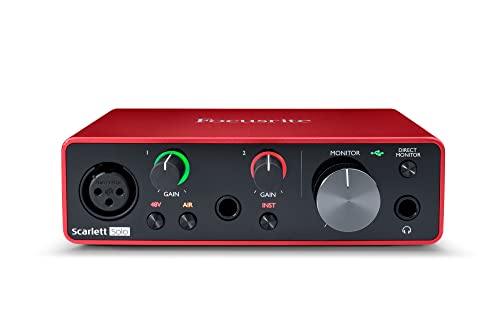
- 56dB XLR preamp gain with Air mode
- 24-bit/192kHz USB recording
- Includes software and balanced outputs
Best For: Home vocalists, podcasters, and musicians
Best for Quiet Dynamic Mics
Cloudlifter CL-1 Mic Activator

- Adds up to +25dB clean gain
- Uses phantom power without passing it to passive mics
- Useful for podcasts, vocals, and ribbons
Best For: Passive microphones needing extra gain
Best Compact Inline Booster
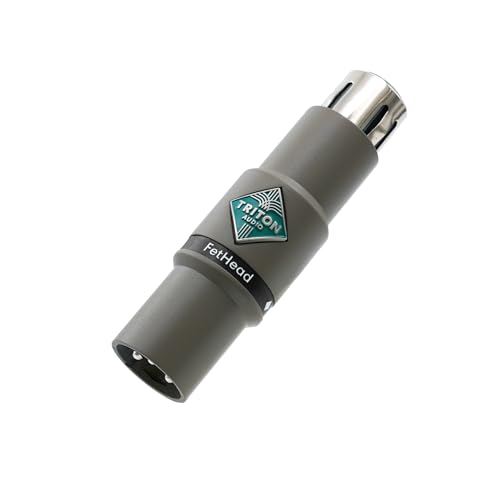
- Low-noise Class-A JFET amplifier
- Shielded, compact inline design
- Uses four matched JFETs
Best For: Minimal home setups needing an inline preamp
Best High-Gain Flexibility

- Up to +75dB gain and stated -120dB EIN
- 48V phantom power for dynamic and condenser mics
- XLR and dual 3.5mm outputs
Best For: Home vocal recording with varied connection needs
Compact Listening Booster
High-Gain Microphone Amplifier

- ALC control and up to 1000x amplification
- 3.5mm headphone and mobile-recording connection
- Compact aluminum-alloy housing
Best For: Portable headphone listening and smartphone recording
XLR Signal Upgrade
StudioMan CPM1L Condenser Mic Preamp

- 29dB low-noise signal boost
- Phantom-power LED indicator
- Locking XLR connection design
Best For: XLR condenser microphones in studio or stage setups
Portable Home Recording Amp
3.5mm Mic Preamp for Home Studio Use

- ALC control with up to 1000x amplification
- Supports headphones and mobile recording
- Compact aluminum-alloy design
Best For: Home karaoke, podcasting, voice-over, and mobile recording
Dynamic Mic Gain Booster

- Adds 29dB of gain for dynamic and ribbon mics
- Compact metal XLR plug-and-play design
- Requires 48V phantom power; not for condensers
Best For: Home users with low-output dynamic or ribbon microphones
Low-Noise Variable Preamp

- 19–66dB variable gain with claimed -120dBV EIN
- USB Type-C 5V/1A power works with common sources
- Handles microphones or high-impedance instruments
Best For: Home recording setups needing mic and DI flexibility
Compact 48V Mic Amplifier

- Works with dynamic and condenser microphones
- 20dB balanced gain with low-noise operation
- Supports 3.5mm, 6.35mm, and XLR connections
Best For: Portable home studios, podcasts, and live streaming
Best Overall – Focusrite Scarlett Solo 3rd Gen
For home users comparing microphone preamps for home use, the Scarlett Solo 3rd Gen is a versatile USB audio interface with a dedicated XLR mic preamp, 56dB of gain, and switchable Air mode for added clarity. It also handles instrument recording and high-resolution recording up to 24-bit/192kHz.
Best For: Home vocalists, podcasters, and musicians who want a complete interface with mic, instrument, headphone, and monitor connections.
Pros:
- High-performance XLR preamp with switchable Air mode
- 24-bit/192kHz converters and low-noise balanced outputs
- Includes recording software and a three-year warranty
Cons:
- Only one XLR mic preamp
- Requires a computer or compatible iPad for USB operation
The Solo is a strong all-in-one starting point when you need more than a standalone preamp. Its simple layout, instrument input, and included software make it especially practical for a compact home recording setup.
Best for Quiet Dynamic Mics – Cloudlifter CL-1 Mic Activator
The Cloudlifter CL-1 is a focused choice among microphone preamps for home use when a passive microphone needs more clean signal. It uses phantom power to provide up to +25dB of gain while preventing phantom power from reaching the microphone itself.
Best For: Home studios, podcasters, streamers, and vocalists using quiet passive dynamic or ribbon microphones with an existing preamp.
Pros:
- Adds up to +25dB of microphone gain
- Designed to preserve the microphone’s natural sound
- Compatible with passive ribbon microphones without passing phantom power
Cons:
- Needs an existing microphone preamp and 48V phantom power
- Provides one channel
- Does not function as a complete USB audio interface
The CL-1 is best viewed as a gain-boosting companion rather than a standalone recording solution. It makes particular sense for low-output passive microphones that leave a standard preamp working near its limit.
Best Compact Inline Booster – Triton Audio FetHead
For a compact approach to microphone preamps for home use, the Triton Audio FetHead is an inline preamp built around a low-noise Class-A JFET amplifier. Its shielded enclosure and matched JFET design are intended to provide a clean signal boost without adding a large desktop unit.
Best For: Home recordists who want a small inline preamp to pair with a compatible microphone and existing audio interface.
Pros:
- Low-noise Class-A JFET amplification
- Shielded enclosure for a compact inline setup
- Uses matched JFETs and double single-ended topology
Cons:
- Supplied notes do not specify the gain amount
- Requires a compatible interface or preamp setup
- Offers no stated USB, headphone, or instrument features
The FetHead suits buyers who value minimal equipment and a straightforward inline design. Check your microphone and interface power requirements before choosing it, since the supplied specifications do not describe the full connection workflow.
Best High-Gain Flexibility – JCANOL MIC-1 Mic Preamp
The JCANOL MIC-1 stands out among microphone preamps for home use with up to 75dB of gain, a stated -120dB EIN noise performance, and 48V phantom power. It also combines balanced XLR output with 3.5mm outputs for connecting studio and compact portable equipment.
Best For: Home vocal recording with low-output dynamic microphones, condenser microphones, computers, or portable audio devices.
Pros:
- Up to +75dB gain with stated -120dB EIN performance
- Supports dynamic and condenser microphones with 48V phantom power
- Offers balanced XLR plus independent 3.5mm mic and line outputs
Cons:
- The two input ports cannot operate simultaneously
- Supplied notes do not identify included cables or software
- Its feature set may be more than needed for a simple one-mic setup
The MIC-1 is a flexible option when gain range and output choices matter more than a basic interface workflow. Its input limitation is important to note, but the combination of high gain, phantom power, and compact outputs suits varied home recording arrangements.
Compact Listening Booster – High-Gain Microphone Amplifier
For shoppers comparing microphone preamps for home use, this compact amplifier is designed to boost quiet microphone signals for headphone listening or mobile recording. Its 3.5mm connection and small aluminum-alloy housing make it a practical option for simple, portable setups.
Best For: Headphone monitoring and mobile-device recording where a compact 3.5mm amplifier is preferred.
Pros:
- High sensitivity with ALC automatic control and up to 1000x amplification.
- Can directly drive headphones and connect to a smartphone for recording.
- Compact 65 x 53 x 25mm design with an aluminum-alloy shell.
Cons:
- Uses a 3.5mm interface rather than standard XLR connections.
- The supplied notes do not identify specific smartphone models or detailed power requirements beyond 5V DC.
This is best suited to users who want a small signal-boosting accessory for listening and mobile recording, rather than a full studio preamp with extensive input and output options.
XLR Signal Upgrade – StudioMan CPM1L Condenser Mic Preamp
Among microphone preamps for home use, the StudioMan CPM1L is aimed at XLR-based setups that need additional gain for condenser microphones. Its 29dB low-noise boost, status LED, and locking mechanism are useful features for recording and stage connections.
Best For: XLR condenser-microphone setups in home studios, recording environments, and stage applications.
Pros:
- Provides 29dB of gain through a built-in low-noise preamp circuit.
- LED indicator shows when phantom power is supplied and the unit is working.
- Locking mechanism helps prevent accidental disconnection.
- Standard XLR ports and gold-plated contacts support broad audio-device compatibility.
Cons:
- Designed around XLR connections and phantom-powered microphone setups, so it may not suit simple 3.5mm systems.
- The supplied information does not specify additional controls or input/output options beyond the XLR adapter design.
With its dedicated gain figure and connection-status indicator, the CPM1L is a focused choice for users who want a straightforward XLR signal boost without adding a larger preamp unit to the setup.
Portable Home Recording Amp – 3.5mm Mic Preamp for Home Studio Use
This small microphone preamplifier is a practical candidate for microphone preamps for home use when you need basic amplification for karaoke, podcasting, voice-over work, or headphone monitoring. It combines ALC control with a 3.5mm interface and a compact metal housing.
Best For: Home karaoke, podcast, voice-over, and headphone-listening setups using a 3.5mm connection.
Pros:
- High sensitivity, ALC automatic level control, and up to 1000x amplification.
- Supports direct headphone listening and mobile-phone recording.
- Compact 63 x 52 x 22mm body with an aluminum-alloy shell.
- Designed for lossless performance and strong anti-interference capability according to the supplied product notes.
Cons:
- Its 3.5mm interface is less suited to conventional XLR studio microphone chains.
- The supplied notes do not list detailed compatibility information for particular phones or recording devices.
This model makes the most sense for straightforward home audio tasks where portability and simple headphone or mobile recording connections matter more than advanced studio routing.
Dynamic Mic Gain Booster – StudioMan DPM1
If your home setup uses a low-output dynamic or ribbon microphone, the StudioMan DPM1 can add useful gain before the signal reaches your interface or mixer. Its plug-and-play XLR design supplies 29dB of stated gain, but it requires 48V phantom power from your connected equipment and is not intended for condenser microphones.
Best For: Home podcasters, streamers, vocalists, and musicians using compatible dynamic or ribbon microphones with a 48V-equipped interface or mixer.
Pros:
- Adds 29dB of clean, transparent gain for low-output dynamic and ribbon mics.
- Compact metal housing helps with durability and interference shielding.
- Works with standard XLR microphone and interface or mixer connections.
- Includes a one-year manufacturer warranty and stated technical support.
Cons:
- Not designed for condenser microphones.
- Requires 48V phantom power, which is not included.
- Provides no benefit if your setup lacks compatible XLR connections and phantom power.
For the right microphone and interface combination, the DPM1 is a straightforward way to improve available gain without replacing your existing equipment. Check your microphone type and phantom-power capability before buying.
Low-Noise Variable Preamp – Rodyweil RO03
The Rodyweil RO03 is a flexible option for home recording when you need adjustable gain for either a microphone or an instrument. It offers 19–66dB of stated variable gain, Type-C 5V/1A power, and a claimed -120dBV EIN, while its upgraded instrument input is designed to preserve the tone of high-impedance pickups.
Best For: Home recordists, podcasters, and musicians who want one compact preamp for a microphone or instrument and convenient USB-style power.
Pros:
- Provides variable gain from 19dB to 66dB.
- Claims an ultra-low -120dBV EIN for a quieter signal path.
- Accepts Type-C 5V/1A power from chargers or power banks.
- Approximately 1MΩ TS input impedance supports high-impedance instruments and DI use.
Cons:
- Supports only one active input at a time for full signal fidelity.
- Requires the appropriate cable to connect to an audio interface or other equipment.
- It is a single-channel unit rather than a dual-microphone preamp.
Among microphone preamps for home use, the RO03 stands out for its combination of adjustable gain, claimed low noise, and instrument compatibility. It is a practical fit when your setup needs both microphone and DI flexibility without demanding a formal studio power arrangement.
Compact 48V Mic Amplifier – Portable XLR Preamp
This compact microphone preamp is built for home studios, podcasting, recording, and live streaming with support for both dynamic and condenser microphones. Its fully balanced circuit provides 20dB of stated gain, while 5V/48V support and three interface types make it adaptable to a range of small setups.
Best For: Home users who want a lightweight preamp for dynamic or condenser microphones and need 3.5mm, 6.35mm, or XLR connectivity.
Pros:
- Supports both dynamic and condenser microphones.
- Offers 20dB of gain through a fully balanced circuit.
- Provides 3.5mm, 6.35mm, and XLR interface support.
- Compact metal case is easy to carry and helps reduce interference.
Cons:
- Its stated 20dB gain is lower than some higher-gain preamp options.
- Condenser microphone operation with 48V is listed at approximately 3–5 hours.
- The supplied notes do not specify detailed gain controls or channel configuration.
This model is a convenient choice if portability and broad microphone compatibility matter more than maximum gain. Its included sound and USB power cables may also simplify getting a small home recording or streaming system running.
How We Picked the Best Microphone Preamps for Home Use
We focused on products suited to practical home recording, podcasting, voice-over, streaming, and karaoke setups. The selection includes inline gain boosters for compatible dynamic microphones, standalone preamps with XLR connections, and a USB audio interface that combines microphone gain with computer connectivity.
We prioritized useful gain range, noise-conscious design, phantom-power behavior, connection flexibility, power requirements, and ease of installation. Because specifications and compatibility vary, check the manufacturer’s details before connecting a particular microphone or powered device.
Quick Comparison
| Type | Best suited to | Main advantage | Watch for |
|---|---|---|---|
| USB audio interface | Computer recording and streaming | Preamp, conversion, and monitoring in one unit | Requires a computer and interface setup |
| Inline microphone booster | Low-output dynamic microphones | Simple signal boost before an interface | Usually needs phantom power and is not a complete interface |
| Standalone XLR preamp | Home studios and mixers | Flexible gain and analog connectivity | May require separate interface, mixer, or recorder |
| Compact powered preamp | Basic voice, karaoke, and portable rigs | Small footprint and straightforward controls | Confirm output, power, and microphone compatibility |
Key Buying Factors for Microphone Preamps for Home Use
Gain and Noise Performance
Dynamic and ribbon microphones often need more clean gain than condenser models. Look for enough headroom to reach a healthy recording level without running the control at its limit. Low equivalent input noise, or EIN, is especially important for quiet sources and heavily boosted speech.
Microphone and Power Compatibility
Check whether the preamp supports dynamic, condenser, or ribbon microphones. Condensers generally require 48V phantom power, while inline boosters commonly rely on phantom power supplied by the connected interface. Never assume every unit provides phantom power or that every microphone should receive it.
Connections and Signal Path
XLR input and output are useful when connecting to an interface, mixer, or recorder. A USB interface is usually the simplest option for direct computer recording because it also handles analog-to-digital conversion and headphone monitoring. For an existing interface, an inline or standalone preamp may be all you need.
Controls, Power, and Placement
Consider whether you need variable gain, multiple outputs, automatic level control, or a working indicator. Also check the power source: some models use phantom power, while others require USB or an external supply. Compact metal units can be convenient, but allow room for connected XLR cables.
Who Should Buy Which Microphone Preamps for Home Use?
Choose a USB audio interface if you record directly into a computer and want microphone gain, headphone monitoring, and conversion in one purchase.
Choose an inline booster if your existing dynamic microphone sounds too quiet and your interface already supplies phantom power. This is often the cleanest, simplest upgrade path.
Choose a standalone XLR preamp if you use a mixer, recorder, or established studio signal chain and need an additional gain stage rather than a complete interface.
Choose a compact powered amplifier for basic voice, karaoke, or listening applications, but verify its output format and gain controls before buying. For serious recording, prioritize low noise, predictable gain, and compatibility over the lowest price.