The best guitar effects processors combine multiple pedals, amp models, cabinet simulations, and practical routing features in one setup. They can simplify a live rig, expand a practice space, or provide a flexible recording solution.
This roundup compares 10 options across several budgets and use cases, from compact practice units to advanced processors with IR loading, MIDI, expression control, and USB audio.
Best 10 Guitar Effects Processors Picks for 2026
Hands-On Classic
BOSS ME-90 Guitar Multi-Effects Processor
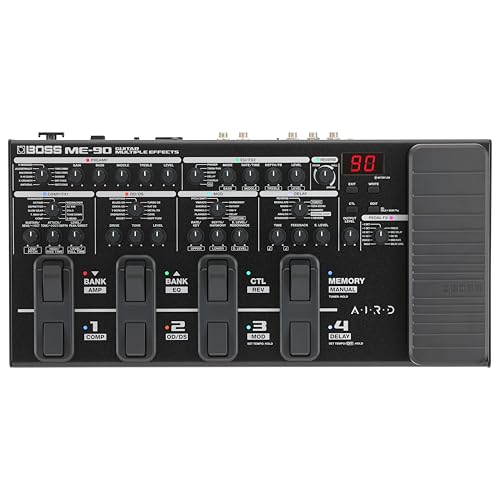
- 60 effects with 11 AIRD amp models and IR loading
- Eight footswitches plus expression pedal
- Battery-powered, USB-C, and Tone Studio support
Best For: Performers who want fast, tactile tone shaping
Feature-Packed Value
VALETON GP-200 Multi-Effects Pedal

- 240+ effects and 140 amp/cab simulations
- 11-block routing, 256 presets, and third-party IR support
- Looper, drum rhythms, USB-C audio, FX loop, and MIDI
Best For: Players seeking broad modeling and practice features
Touchscreen Control
BOSS GX-100 Advanced Effects Processor

- 32 amp types and 170+ BOSS effects
- 15 assignable blocks with WAV IR support
- Color touchscreen and flexible foot control
Best For: Users building detailed, complex signal chains
Connected Modeling Hub
HeadRush Flex Prime Multi-Effects Pedal
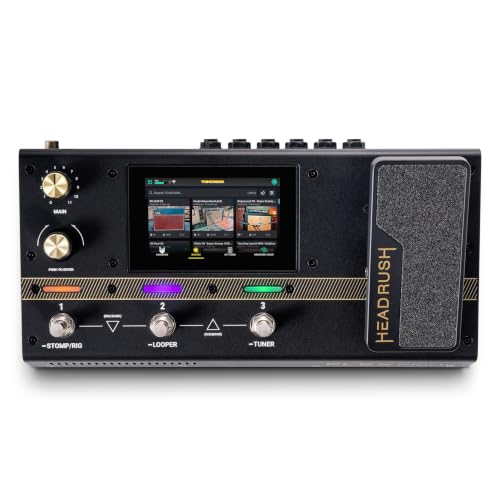
- 700+ emulations with NAM and TONE3000 access
- Wi-Fi cloud sharing and remote web editing
- Looper, drums, USB audio, FX loop, and MIDI
Best For: Players exploring amp captures and connected workflows
Compact Practice Pick
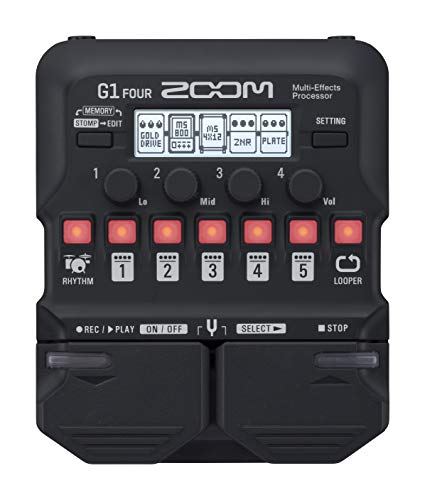
- 65 effects and 13 amp models
- 30-second looper with 68 rhythm patterns
- Battery-powered design with aux input
Best For: Portable practice and beginner tone exploration
Feature-Rich Value Option
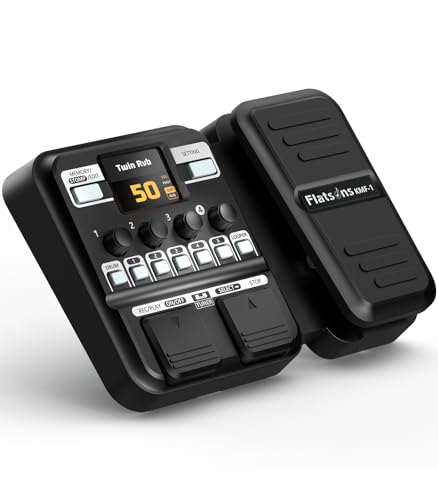
- 77 effects with 18 amp and 18 cab models
- 50 presets, looper, tuner, and 42 drum rhythms
- Expression pedal and detailed edit controls
Best For: Flexible practice, recording, and small live setups
Stage and Studio Flagship

- 240+ effects with 140+ amp and cabinet models
- 180-second looper and 100 drum patterns
- 6-in/4-out USB-C audio interface and gig bag
Best For: Live performance, recording, and advanced signal routing
Best Budget Practice Pick

- 71 effects and 13 amp models
- 30-second looper with 68 rhythm patterns
- Expression pedal and headphone practice
Best For: Beginners, home practice, and songwriting
Best Flexible Live Control

- 200 presets, 170 effects, and 55 amp models
- Four footswitches plus expression pedal
- Looper, drums, USB-C, and OTG recording
Best For: Live players and tone-focused home studios
Best Modern Modeling Features

- 200+ effects with IR and NAM support
- Rechargeable battery rated for over six hours
- USB audio, Bluetooth, MIDI, and long looper
Best For: Mobile practice, recording, and advanced tone customization
Hands-On Classic – BOSS ME-90 Guitar Multi-Effects Processor
BOSS ME-90 Guitar Multi-Effects Guitar Processor | All-In-One Guitar Processor
Check Price On AmazonThe BOSS ME-90 is a practical choice for guitarists who want broad guitar effects processors capability without giving up quick, hands-on control. Its knob-based interface, dedicated amp section, expression pedal, and footswitch layout make it easy to shape tones during practice or performance.
Best For: Performing guitarists who prioritize fast, stompbox-style editing and reliable all-in-one versatility.
Pros:
- Includes 60 effects, 11 AIRD amp models, IR loading, and an effects loop.
- Eight multi-function footswitches and an expression pedal support detailed live control.
- Battery-powered design, USB-C connectivity, Tone Studio integration, and 72 total patch locations add flexibility.
Cons:
- Its feature set and control layout may take time to learn fully.
- Optional Bluetooth connectivity requires an additional adaptor.
The ME-90 stands out for direct operation and performance-friendly control rather than menu-heavy editing. It is a strong fit when quick adjustments matter as much as the variety of available sounds.
Feature-Packed Value – VALETON GP-200 Multi-Effects Pedal
Valeton GP-200 Multi-Effects Processor for Guitar & Bass, Expression Pedal, MIDI, USB Interface
Check Price On AmazonThe VALETON GP-200 is a versatile guitar effects processors platform for guitar, bass, and acoustic setups. It combines extensive modeling, adjustable routing, a color display, looping, drum rhythms, and recording connectivity in a single pedal.
Best For: Players who want a large effects library, flexible signal routing, and built-in practice and recording tools.
Pros:
- Offers more than 240 effects, 140 amp and cabinet simulations, and 100 stompbox models.
- Supports up to 11 simultaneous effect blocks, 256 presets, third-party IR storage, and an FX loop.
- Includes a 180-second looper, 100 drum rhythms, USB-C audio streaming, MIDI, and multiple outputs.
Cons:
- The extensive feature set may feel overwhelming for players seeking a simpler pedal.
- The listed warranty is a 90-day free-return period.
With its combination of modeling depth, preset capacity, and practice features, the GP-200 is especially compelling for users who want one device to cover live sounds, experimentation, and home recording.
Touchscreen Control – BOSS GX-100 Advanced Effects Processor
The BOSS GX-100 is a sophisticated guitar effects processors option for guitarists and bassists who want detailed routing with a modern touchscreen workflow. It pairs AIRD amp modeling with more than 170 BOSS effects, speaker IR support, and assignable performance controls.
Best For: Guitarists and bassists who need flexible routing, extensive effects, and clear touchscreen editing.
Pros:
- Provides 32 amplifier types, more than 170 BOSS effects, and support for WAV speaker IRs.
- Offers 15 assignable blocks for flexible amp and effects routing.
- Color touchscreen, metal chassis, assignable footswitches, expression pedal, and Tone Studio support streamline control.
Cons:
- Its advanced routing and large library may require a learning period.
- Bluetooth editing and mobile streaming require an optional adaptor.
The GX-100 is a strong choice when sound-shaping depth and visual control take priority. Its routing flexibility makes it better suited to complex rigs than a basic plug-and-play effects unit.
Connected Modeling Hub – HeadRush Flex Prime Multi-Effects Pedal
The HeadRush Flex Prime is a compact guitar effects processors and amp-modeling platform built around touchscreen editing, Wi-Fi access, and a large emulation library. It also adds NAM support, cloud-based rig sharing, looping, drum patterns, and a USB audio interface.
Best For: Guitarists who want modern amp capture technology, cloud-connected tone exploration, and a pedalboard-friendly format.
Pros:
- Includes more than 700 gear emulations plus Native Amp Modeler support and TONE3000 access.
- Wi-Fi, HeadRush Cloud, Dropbox integration, and remote web editing expand preset management.
- Built-in looper, drum machine, USB audio interface, stereo FX loop, MIDI, and assignable expression pedal add utility.
Cons:
- Its connected features and extensive library may be more than a beginner needs.
- Only three customizable footswitches are listed, which may limit direct live control for some setups.
The Flex Prime is particularly appealing for players who want an evolving library of tones rather than a closed, fixed collection. Its compact chassis and recording features also make it useful in both pedalboard and home-studio contexts.
Compact Practice Pick – Zoom G1 Four
The Zoom G1 Four is a practical entry point for guitar effects processors, combining a broad selection of tones with useful practice features in a compact, battery-powered unit. Its built-in amp models, rhythm patterns, looper, tuner, and auxiliary input make it suitable for home practice and experimenting with different sounds.
Best For: Guitarists who want an affordable, portable practice processor with plenty of built-in effects.
Pros:
- Includes 65 guitar effects and 13 amp models.
- Offers a 30-second looper, 68 rhythm patterns, and a built-in tuner.
- Supports an auxiliary input for playing along with external audio and can run on batteries.
- Zoom Guitar Lab software is available as a free download for Mac and Windows.
Cons:
- The looper is limited to 30 seconds.
- Its standard guitar input and compact layout may be less suited to complex live setups.
- It uses a USB Micro-B connector rather than USB-C.
The G1 Four emphasizes accessible practice and tone exploration rather than extensive stage routing. It is a strong choice for beginners and players who value portability, built-in accompaniment, and a large effects library in a small package.
Feature-Rich Value Option – Flatsons KMF-1
The Flatsons KMF-1 is a versatile choice among guitar effects processors, pairing 77 effects with amp and cabinet simulation, preset storage, and hands-on editing. Its looper, drum rhythms, expression pedal, and AUX input give players several ways to practice, customize tones, and build a flexible setup.
Best For: Guitarists seeking extensive effects and editing controls for practice, recording, or small live rigs.
Pros:
- Provides 77 effects, 18 amp models, and 18 cabinet simulators.
- Includes 50 preset patches, a 30-second looper, 42 drum rhythms, and a built-in tuner.
- Stomp Mode and Edit Mode support both straightforward operation and detailed parameter adjustments.
- Includes a 2-in-1 expression pedal with six assignable effects.
Cons:
- Battery operation is rated for up to 2.5 hours and requires six AA batteries.
- Cabinet simulation must be managed carefully to avoid unwanted double-cabinet coloration with real amps or cabinets.
- The feature set may require more setup time than a basic multi-effects pedal.
The KMF-1 offers a substantial set of tools for its format, especially for players who want both preset convenience and manual control. Its cabinet-simulation guidance is important when connecting to real amplification, headphones, or powered speakers.
Stage and Studio Flagship – Valeton GP-200
The Valeton GP-200 is a performance-oriented option among guitar effects processors, built around extensive amp modeling, IR loading, flexible routing, and fast foot-controlled operation. With a color display, customizable switches, long looper, drum patterns, and USB audio capabilities, it is designed for both live rigs and computer-based workflows.
Best For: Performing guitarists and creators who need broad modeling, preset capacity, and professional connectivity.
Pros:
- Offers more than 240 effects, including over 140 guitar, bass, and acoustic amp and cabinet models.
- Supports up to 11 simultaneous modules, 256 patch slots, and 20 user cabinet IRs.
- Includes a 180-second looper, 100 drum patterns, tuner, and built-in expression pedal.
- Provides a 6-in/4-out USB-C audio interface with loopback and re-amping support.
Cons:
- At 2.37 kg, it is substantially heavier than compact practice processors.
- Its extensive routing, modeling, and preset features may be more than casual players need.
- It requires corded power rather than battery operation.
The GP-200 is the most comprehensive option here for players building a stage-ready or studio-connected rig. Its rugged metal chassis and included gig bag add practical value, while USB-C connectivity expands its usefulness beyond traditional pedalboard setups.
Best Budget Practice Pick – Zoom G1X Four
The Zoom G1X Four is a practical entry point for guitarists exploring guitar effects processors without a complicated setup. It combines 71 effects, 13 amp models, an expression pedal, a looper, and rhythm patterns in a compact, battery-powered unit suited to practice, recording, and live experimentation.
Best For: Beginners, home practice, songwriting, and players who want broad effects variety in a compact pedal.
Pros:
- Offers 71 effects and 13 amp models for experimenting with different tones.
- Includes a 30-second looper and 68 rhythm patterns for practice and songwriting.
- Supports headphones and auxiliary input for more convenient practice.
- Comes with an expression pedal and access to patch editing through Zoom Guitar Lab.
Cons:
- The looper is limited to 30 seconds.
- Its feature set is more practice-focused than the deeper routing and connectivity of larger processors.
The G1X Four stands out when affordability, portability, and immediate access to many sounds matter most. It is a sensible choice for learning multi-effects workflows before moving to a more advanced rig.
Best Flexible Live Control – MOOER GE150 Pro
The MOOER GE150 Pro is a versatile guitar effects processor for players who want extensive presets, hands-on foot control, and modern amp-modeling features. Its four footswitches, expression pedal, 200 factory presets, and support for amp, cabinet, and IR files make it well suited to rehearsals, recording, and performance.
Best For: Gigging guitarists and tone-focused players who need flexible preset switching, looping, and recording connectivity.
Pros:
- Provides 200 factory presets, 55 amp models, 26 cabinet simulations, and 20 slots for amp and cab samples.
- Four multi-purpose footswitches offer more control during patch changes, looping, and rhythm playback.
- Includes an 80-second stereo looper, 40 drum rhythms, and 10 metronome modes.
- USB-C and OTG connectivity support tone management and guitar recording to a phone.
Cons:
- The standard model is corded electric rather than battery powered.
- Its broad feature set may require more setup time than a simpler practice processor.
The GE150 Pro is a strong middle-ground option for players who want substantial sound-shaping depth without giving up practical performance controls. Its connections and looping tools also make it useful beyond basic effects experimentation.
Best Modern Modeling Features – Valeton GP-150
The Valeton GP-150 is a forward-looking guitar effects processor built for players who want extensive effects, flexible modeling, and portable operation. It supports IR and NAM files, offers more than 200 effects, and adds a rechargeable battery, USB audio, Bluetooth, and MIDI for practice, performance, and recording setups.
Best For: Mobile musicians, home recordists, and guitarists who want third-party tone-file support and modern connectivity.
Pros:
- Delivers more than 200 effects with up to 12 modules running simultaneously.
- Supports third-party cabinet IRs and NAM files, with storage for SnapTone and IR files.
- Includes a 3,000mAh rechargeable battery rated for more than six hours of playtime.
- Combines a 180-second looper, 100-plus drum patterns, and a 6-in/4-out USB audio interface.
Cons:
- Its advanced IR, NAM, routing, and connectivity options may be more than casual players need.
- The supplied configuration includes a rechargeable battery, but battery runtime depends on use.
The GP-150 is the most feature-rich choice of the three for players building a flexible digital rig. Its battery and broad computer and mobile compatibility are especially useful when portability and direct recording are priorities.
How We Picked These Guitar Effects Processors
We focused on the features that most directly affect everyday guitar playing: sound-shaping flexibility, amp and cabinet modeling, preset capacity, editing workflow, connectivity, portability, and overall value. The selection includes established multi-effects platforms as well as affordable alternatives, so you can compare simple practice tools with more capable performance and recording rigs.
Specifications can vary by firmware version and included accessories, so check the manufacturer’s current details before purchasing. In particular, confirm whether an expression pedal, power supply, impulse-response support, or specific software features are included.
Quick Comparison
| Best For | What to Prioritize |
|---|---|
| Practice and learning | Simple controls, headphone output, looper, and built-in rhythms |
| Live performance | Fast preset switching, footswitch access, reliable outputs, and expression control |
| Recording | USB audio, amp modeling, cabinet or IR support, and low-noise operation |
| Complex rigs | FX loops, MIDI, flexible signal routing, and extensive preset editing |
| Budget setups | Useful core effects, included accessories, and straightforward navigation |
Key Buying Factors for Guitar Effects Processors
Effects, Amp Models, and Impulse Responses
Count and variety matter, but usable sound quality matters more than a large specification sheet. Amp modeling and cab simulation are especially important when connecting directly to headphones, a mixer, an audio interface, or full-range speakers. IR and NAM support can provide additional tone-shaping options for players who want to load third-party captures.
Controls and Preset Workflow
Consider how quickly you can change patches, engage individual effects, adjust parameters, and create snapshots or scenes. A unit with deep editing may be powerful but slower to operate, while a simpler pedal can be better for spontaneous adjustments.
Connections and Expansion
Check for stereo outputs, an effects loop, MIDI, USB audio, auxiliary input, and an expression-pedal connection. These features determine whether the processor can fit into a traditional amplifier setup, a direct-to-PA rig, or a computer-based recording workflow.
Portability and Power
Size, weight, screen visibility, switch layout, and power requirements all affect convenience. Built-in battery operation can be valuable for practice and mobile playing, while a larger chassis may provide easier foot control onstage.
Who Should Buy Which Guitar Effects Processors?
Choose a compact Zoom or Flatsons-style unit if you mainly need affordable practice effects, basic preset exploration, or a portable backup. A BOSS ME-90 or Zoom G1X Four suits players who prefer hands-on controls and an integrated expression pedal. The Valeton GP-150 and GP-200, MOOER GE150 Pro, and similar modeling-focused options are better for players seeking broad amp, cab, IR, and recording flexibility.
For more demanding live and studio setups, the BOSS GX-100 and HeadRush Flex Prime are worth considering when touchscreen or advanced editing, extensive routing, and direct-recording features are priorities. Before choosing, match the processor’s connection options and control layout to your amplifier, computer, stage setup, and playing habits.