Choosing the right dynamic studio microphone can make a bigger difference than almost any other piece of gear in your recording chain. If you want cleaner vocals, better room rejection, and a more forgiving sound for speech or singing, a dynamic model is often the smartest place to start.
This roundup highlights 10 strong options for creators, podcasters, streamers, and musicians who want dependable voice capture without overcomplicating their setup.
Best 10 Dynamic Studio Microphone Picks for 2026
Studio Broadcast Classic
Shure SM7B Dynamic Vocal Microphone
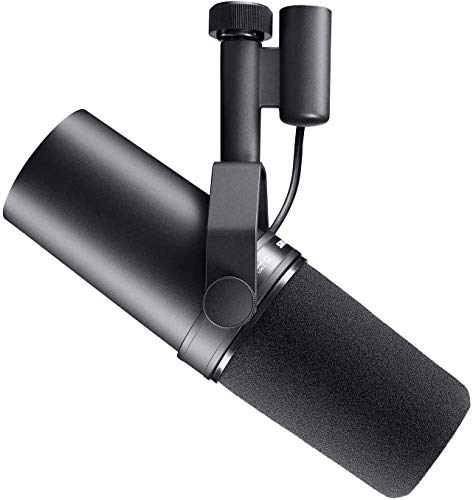
- Warm, balanced broadcast-style vocals
- Cardioid pattern helps reduce room noise
- XLR setup needs strong gain from a preamp
Best For: Podcasting, streaming, and studio vocal recording
Podcast-Ready Workhorse
RØDE PodMic Cardioid Dynamic Broadcast Microphone

- Cardioid dynamic capsule rejects room noise
- Integrated pop filter and swing mount
- XLR-only design needs an audio interface
Best For: Podcast and streaming setups with an interface
Voice Isolation Upgrade
Shure MV7X XLR Dynamic Podcast Microphone

- Voice-isolating cardioid design for clean vocals
- Integrated shock mount helps reduce vibration
- All-metal XLR mic for interface-based setups
Best For: Clean podcast and streaming vocals with XLR gear
Stage Veteran
Shure SM58 Pro XLR Dynamic Vocal Microphone

- Warm vocal tone with midrange presence
- Cardioid pickup helps reduce feedback
- Rugged handheld build for live use
Best For: Live vocals, general recording, and dependable use
Versatile Studio Upgrade

- USB and XLR outputs for flexible setups
- AI noise reduction and three EQ modes
- Headphone jack with mic and monitor volume control
Best For: Creators who want a USB mic now and XLR upgradeability later
Classic Vocal Workhorse

- Warm, clear vocal tuning
- Cardioid pattern rejects off-axis noise
- On/off switch for quick muting
Best For: Vocalists and performers who need a reliable XLR stage and studio mic
Streaming Feature Pick

- USB and XLR support for flexible use
- Tap-to-mute with headphone monitoring
- RGB lighting with multiple modes and memory
Best For: Streamers and creators who want feature-rich USB use plus XLR upgradeability
Broadcast-Ready Starter Pick

- Cardioid dynamic mic with inner double-layer pop filter
- Metal desktop stand, heavy base, and rod extender included
- XLR setup works with audio interfaces and mixers
Best For: Podcasters and streamers who want an affordable desk-ready XLR kit
Most Versatile Connection
FIFINE AmpliTank K688 XLR/USB Mic

- Works over both XLR and USB for flexible recording
- USB mode adds mute, gain, and headphone monitoring
- Cardioid design plus windscreen help keep vocals clean
Best For: Creators who want a mic that can handle both plug-and-play and studio setups
Best Value XLR Choice
FIFINE K669D Dynamic Studio Mic

- XLR-only mic for interface and mixer setups
- Cardioid, low-noise design helps reduce background noise
- Metal body plus tripod stand support easy placement
Best For: Budget buyers who already use an audio interface or mixer
Studio Broadcast Classic – Shure SM7B Dynamic Vocal Microphone
If you want a dynamic studio microphone with a proven broadcast sound, the Shure SM7B is built for warm, balanced vocals and close-mic work. Its cardioid pattern, built-in pop filtering, and internal isolation make it a strong fit when you need your voice to stay front and center.
Best For: Podcasters, streamers, voiceover talent, and studio vocalists who want a classic broadcast tone.
Pros:
- Warm, natural vocal capture with wide-range frequency response
- Cardioid pickup and shock isolation help reduce room noise and vibration
- Built-in pop filtering and detachable windscreen improve close-up clarity
- XLR output gives you full control through an interface or mixer
Cons:
- Requires substantial gain from your interface or preamp
- XLR setup means it is not a simple plug-and-play mic
Overall, the SM7B is a serious studio choice when you want refinement, durability, and a polished broadcast feel. It rewards a well-matched audio chain and is best for users ready to build around it.
Podcast-Ready Workhorse – RØDE PodMic Cardioid Dynamic Broadcast Microphone
The RØDE PodMic is a practical dynamic studio microphone for creators who are building a podcast or streaming setup around an XLR interface. It uses a cardioid dynamic capsule to reject room noise, and its integrated swing mount and internal pop filter keep the signal chain simple.
Best For: Podcasters and streamers who already use an audio interface and want a broadcast-focused mic.
Pros:
- Cardioid dynamic capsule rejects background sound and room noise
- Integrated swing mount and internal pop filter reduce accessory needs
- Broadcast-grade build with internal shock mount
- Rich, balanced voice tone suited to spoken-word use
Cons:
- XLR only, so it does not connect directly by USB
- Needs an audio interface or compatible RØDECaster-style device
For creators who already have the right interface, the PodMic offers a focused, no-nonsense path to clean vocal capture. It is especially appealing if you want a rugged broadcast mic without extra setup clutter.
Voice Isolation Upgrade – Shure MV7X XLR Dynamic Podcast Microphone
The Shure MV7X is a dynamic studio microphone aimed at creators who want a focused vocal sound from an XLR-only setup. Its voice-isolating design, integrated shock mount, and all-metal construction make it a clean, durable option for podcasting, streaming, and vocal recording.
Best For: Podcasters, streamers, and recording users who want Shure vocal focus with straightforward XLR control.
Pros:
- Dynamic cardioid design helps reduce room noise and distractions
- Integrated shock mount reduces unwanted vibrations
- XLR-only output works well with interfaces and mixers
- All-metal build with adjustable yoke mount adds durability
Cons:
- Requires an audio interface or mixer
- Not as versatile for direct-to-computer use as USB mics
The MV7X makes sense if you want a streamlined vocal mic with broadcast-inspired styling and reliable isolation. It is a strong fit for users who prefer simple hardware compatibility and a sturdy build.
Stage Veteran – Shure SM58 Pro XLR Dynamic Vocal Microphone
The Shure SM58 is a classic dynamic studio microphone choice when you want reliable vocal clarity and rugged construction. Its tuned frequency response, cardioid pickup, and built-in pop protection make it a dependable option for live use, recording, podcasting, and broadcast work.
Best For: Vocalists and creators who want a durable, proven mic for stage and studio use.
Pros:
- Warm, articulate vocal tone with a subtle midrange lift
- Cardioid pattern focuses on voice and helps minimize feedback
- Built-in grille and filter reduce plosives and breath noise
- Rugged metal construction is made for heavy use
Cons:
- Handheld form factor may be less ideal for desk-mounted podcast setups
- XLR connection requires an interface or mixer
If you want one mic that has earned its reputation across stage and studio environments, the SM58 remains a safe, practical pick. It is less specialized than some broadcast-focused mics, but it is extremely dependable.
Versatile Studio Upgrade – TONOR TD510 AIR
If you want a dynamic studio microphone that can start simple and still leave room to grow, the TONOR TD510 AIR is built around that idea. It works over USB for straightforward recording, but also supports XLR when you’re ready to move into an interface-based setup. The added AI noise reduction, EQ modes, and onboard monitoring controls make it a flexible pick for home studios, podcasting, and streaming.
Best For: Creators who want an easy USB start now and the option to upgrade to XLR later.
Pros:
- Dual USB and XLR outputs support both beginner and upgraded studio setups.
- AI noise reduction helps filter background and low-frequency noise.
- Three EQ modes let you match the mic to different voices and rooms.
- Built-in headphone jack plus mic and headphone volume control improve monitoring.
Cons:
- XLR cable is not included.
- Not compatible with Xbox.
Overall, the TD510 AIR is a practical dynamic studio microphone if you want more control than a basic plug-and-play mic. Its biggest strength is flexibility: USB convenience today, XLR expansion later, and useful onboard features in both cases.
Classic Vocal Workhorse – Shure SM58S
The Shure SM58S is a straightforward dynamic studio microphone if your priority is proven vocal performance rather than extra features. Its cardioid pattern is designed to focus on the voice while rejecting off-axis noise, and the built-in on/off switch makes quick muting easy during sessions, rehearsals, or live use. It is a wired XLR mic, so it fits best in setups that already use a mixer or interface.
Best For: Vocalists, speakers, and performers who want a dependable XLR mic with simple muting control.
Pros:
- Designed specifically for vocals with a warm, clear, present sound.
- Cardioid pickup helps reject off-axis noise in loud environments.
- Built-in on/off switch adds easy mute control.
- Hardened grille and internal filtering help reduce plosives, breath noise, and handling sounds.
Cons:
- Wired XLR design requires a mixer or compatible audio setup.
- No USB option for direct computer recording.
The SM58S stays popular for good reason: it does the core job of a vocal mic very well. If you want a rugged dynamic microphone that prioritizes consistency, isolation, and simple operation, this is the most proven choice in the group.
Streaming Feature Pick – FIFINE AmpliGame AM8
The FIFINE AmpliGame AM8 is a dynamic studio microphone aimed at creators who want both streaming-friendly features and flexible connectivity. It supports USB for simple plug-and-play use, or XLR if you want to route it through an audio interface or mixer. With a cardioid pickup pattern, mute button, headphone jack, gain control, and RGB lighting, it leans heavily toward gaming, podcasting, and content creation.
Best For: Streamers and beginner creators who want USB convenience with the option to move to XLR.
Pros:
- USB and XLR connection options support both easy setup and future upgrades.
- Tap-to-mute and LED mute reminder help with live control and privacy.
- Headphone jack and monitoring volume control support real-time checking.
- RGB ring with multiple modes and colors adds a gaming-style look.
Cons:
- RGB and function keys are only available in USB mode.
- XLR cable is not included.
- Best recording range is suggested at 2 to 6 inches.
The AM8 stands out when you want practical streaming tools without giving up upgrade potential. It is less about minimalist studio use and more about giving you the controls and presentation features many creators want on a desk mic.
Broadcast-Ready Starter Pick – MAONO PD100 XLR Dynamic Mic
If you want a dynamic studio microphone for podcasting, streaming, or voice recording, the MAONO PD100 focuses on clean, mellow sound with straightforward XLR connectivity. Its cardioid pattern, inner double-layer pop filter, and metal desktop stand make it a practical option for building a small home studio without adding a lot of complexity.
Best For: Podcasters, streamers, and content creators who want an affordable XLR mic kit with a desk stand.
Pros:
- Dynamic core and double-layer pop filter help reduce plosives.
- Cardioid pickup and end-addressed design aim voice capture toward the front.
- Metal body, heavy base, and rod extender improve stability and positioning.
- Includes XLR cable and desktop stand for an all-in-one setup.
Cons:
- Requires an audio interface, mixer, or similar XLR gear.
- Designed around a 60Hz-14kHz range, so it is not a feature-heavy all-rounder.
This is a solid entry point if you want a dynamic studio microphone that keeps the setup simple while still leaning into broadcast-style voice capture. It is especially attractive for creators who want a ready-to-use desk package.
Most Versatile Connection – FIFINE AmpliTank K688 XLR/USB Mic
The FIFINE AmpliTank K688 is a dynamic studio microphone built for creators who want flexibility without giving up practical recording controls. With both XLR and USB outputs, plus a mute button, gain control, and real-time headphone monitoring, it fits podcasting, gaming, voice-over, and desktop recording workflows.
Best For: Creators who want one microphone for both simple USB recording and more advanced XLR setups.
Pros:
- Dual XLR/USB output gives you two ways to record.
- Front-panel mute and gain controls are available on USB mode.
- 3.5mm monitoring jack and volume control help with voice-over checks.
- Cardioid pattern and included windscreen help reduce background noise and plosives.
Cons:
- Arm stand, mic stand, and XLR cable are not included.
- Several controls only work when connected by USB.
For buyers who want a dynamic studio microphone that can grow with their setup, the K688 stands out for convenience and upgrade potential. It is a practical choice if you want USB simplicity now and XLR flexibility later.
Best Value XLR Choice – FIFINE K669D Dynamic Studio Mic
If you are shopping for a dynamic studio microphone that stays focused on the essentials, the FIFINE K669D is a straightforward XLR option for vocal recording, streaming, and voice-over work. Its unidirectional pattern, metal build, and included tripod stand make it a simple fit for a basic home studio or portable recording setup.
Best For: Budget-conscious users who want an XLR dynamic mic for podcasting, streaming, and voice work.
Pros:
- XLR connection pairs with audio interfaces and mixers for better upgrade options.
- Cardioid, low-noise design helps block background sound.
- Three-layer shockproof construction reduces unwanted vibration and room noise.
- Metal body and included tripod stand add durability and convenience.
Cons:
- XLR cable is not included.
- No USB option, so it needs interface or mixer gear.
The K669D is a practical pick when you want an affordable, no-frills dynamic studio microphone that emphasizes clean voice capture and durable construction. It is especially appealing if your setup already includes XLR recording gear.
How We Picked the Best Dynamic Studio Microphone
We focused on microphones that fit real-world studio and creator workflows: solid vocal clarity, sensible connectivity, durable construction, and broad compatibility with common interfaces, mixers, and USB setups. We also favored models that suit different budgets and use cases, from entry-level recording to broadcast-style voice work.
Quick Comparison
For most buyers, the main choice comes down to connection type and intended use. XLR models are ideal if you already use an audio interface or mixer and want the most flexible upgrade path. USB/XLR hybrids add convenience for beginners or hybrid studios. Broadcast-style designs typically emphasize close-mic vocal detail, while classic handheld dynamics are better if you need versatility for live use and multiple recording scenarios.
Key Buying Factors for a Dynamic Studio Microphone
Connection Type
Choose XLR if you want cleaner expansion options and better control over your signal chain. Choose USB or hybrid models if you want a simpler plug-and-play setup with fewer pieces of gear.
Pickup Pattern and Room Rejection
Most studio-friendly dynamic models use a cardioid pattern to focus on your voice and reduce background noise. This matters a lot in untreated rooms, shared workspaces, and streaming setups.
Output Gain Needs
Some dynamic microphones need a stronger preamp or inline gain booster to reach healthy recording levels. If your interface is underpowered, check whether the mic is known for low output.
Build, Mounting, and Monitoring
Look for metal construction, a stable yoke or stand mount, and helpful extras like mute controls or headphone monitoring if you record alone. These features can improve day-to-day usability even if they do not change the core sound.
Who Should Buy Which Dynamic Studio Microphone?
If you want a proven broadcast voice for podcasting or streaming, a premium XLR Dynamic Studio Microphone is usually the safest bet. If you value simplicity, a USB/XLR hybrid can bridge beginner and advanced setups. If you need a do-it-all mic for vocals, gaming, and occasional live use, prioritize flexibility and ruggedness over niche features. For singers and voice actors, choose the model that best matches your room, interface, and recording workflow rather than chasing specs alone.
In short, the best choice is the one that fits your space, your gear, and how you actually record. A well-matched dynamic mic can deliver professional results with less setup hassle and more consistency take after take.