Great drum machines can do more than keep time—they shape the feel, speed up songwriting, and bring a track to life. For producers, performers, and beatmakers, the right unit depends on workflow as much as sound.
This roundup of 10 picks focuses on drum machines for electronic music that balance sequencing, sound design, hands-on control, portability, and value across different use cases.
Best 10 Drum Machines for Electronic Music Picks for 2026
Flagship Hybrid Performer

- Circuit-modeled 808, 606, 909, 707, 727, and CR-78 sounds
- Import mono or stereo samples from SD card
- Kit effects and settings are saved for performance use
Best For: Producers who want a premium hybrid drum machine with classic Roland sounds
Portable Analog Starter

- Compact body with built-in speaker and battery power option
- Electribe-style 16-step sequencer for quick programming
- Real analog sounds plus PCM for clap and crash parts
Best For: Beginners and portable beatmakers who want quick analog groove creation
Classic 808 Mini Clone

- Compact recreation of the legendary TR-808
- Hands-on tone, level, tuning, and decay control
- Adds compressor, gain, tune, and pan for selected instruments
Best For: Players who want a compact, authentic 808-style drum machine
Studio Workhorse Value
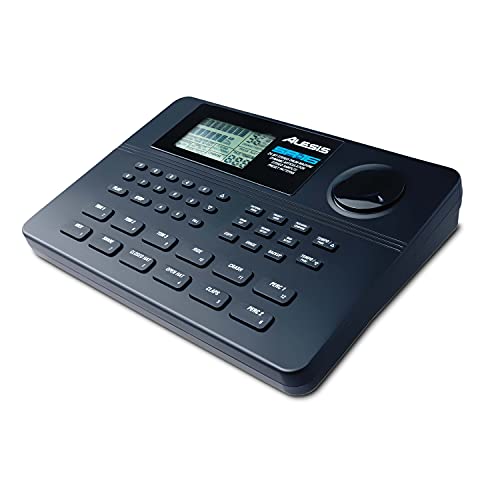
- 233 professional sounds with 50 preset and 50 user kits
- Dynamic Articulation for more realistic programmed drums
- MIDI support plus stereo outputs and built-in effects
Best For: Songwriters and live performers who want a dependable drum machine with ready-to-use sounds
Portable Sample Sequencer
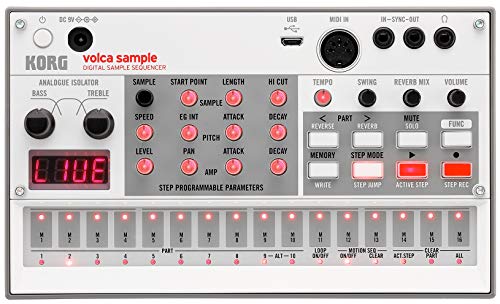
- 8-voice sample-based drum machine
- 16-step sequencer with pattern chain
- Built-in speaker and USB connectivity
Best For: portable sample-driven beatmaking and electronic sketching
Hybrid Drum Machine
Behringer LM Hybrid Drum Machine
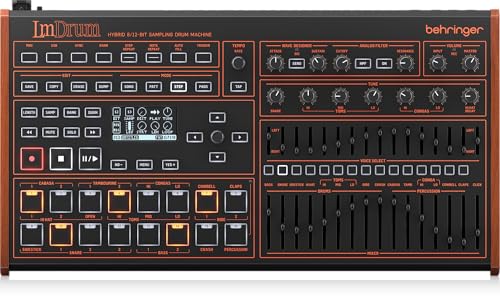
- Hybrid sampling drum machine
- Large hardware footprint
- Simple sampling-focused workflow
Best For: buyers wanting a larger hybrid drum machine for sampling-focused setups
Portable Performance Sampler
teenage engineering EP-133 K.O. II
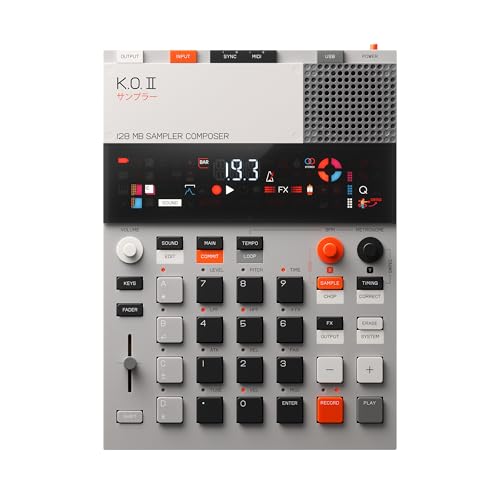
- 128 MB sampler with 999 slots
- Reworked sequencer with song mode
- Built-in mic, speaker, and effects
Best For: portable live beatmaking with fast sampling and performance control
Guitar-Friendly Rhythm Backup
MOOER Drum Machine Guitar Pedal X2

- 121 grooves across 11 music styles
- Tap tempo, fill, and dual-footswitch control
- Stereo I/O plus preset editor software
Best For: Guitarists and bassists needing pedalboard-ready rhythm support
Pad Controller Workflow
Donner STARRYPAD MIDI Beat Maker

- 16 backlit pads with 3 banks for 48 assignments
- Extra faders, knobs, and buttons for performance control
- Works with DAWs; MIDI in/out for external gear
Best For: DAW producers and finger drummers who want a MIDI pad controller
Portable Stylus Groove Box
Stylophone Beat Compact Drum Machine

- 4 drum kits plus 4 bass sounds
- Click track, tempo lock, and multitrack layering
- Built-in speaker with wired headphone support
Best For: Portable beat sketching and simple layered rhythm creation
Flagship Hybrid Performer – Roland TR-8S Rhythm Performer
If you want one of the most flexible drum machines for electronic music, the Roland TR-8S is built for modern production with classic TR character. It blends detailed circuit-modeled sounds from the 808, 606, 909, 707, 727, and CR-78 with sample import, deep editing, and performance-focused effects, so it can cover traditional drum programming and more experimental kits.
Best For: Producers who want a premium hybrid drum machine with classic Roland sounds, sample import, and live-ready workflow.
Pros:
- Includes detailed circuit-modeled sounds from multiple classic TR drum machines
- Supports importing mono or stereo samples from SD card and building kits from samples or TR sounds
- Offers advanced sound shaping like decay, tuning, sample start, speed, and direction control
- Performance-ready effects and kit storage keep instrument and master settings saved with each kit
Cons:
- Higher-end feature set may be more than casual users need
- Workflow can feel complex if you only want simple beat creation
The TR-8S is the most versatile option here for electronic music producers who want depth, range, and hands-on control in one box. Its mix of heritage sounds, sample handling, and effects makes it especially strong for building polished kits that can move between studio writing and live performance.
Portable Analog Starter – Korg Volca Beats
Korg Volca Beats Analog Rythem Machine w/Electribe-style 16-step Sequencer and Real Analog Sounds
Check Price On AmazonThe Korg Volca Beats is a compact choice among drum machines for electronic music, especially if you want real analog sounds in a portable format. Its 16-step sequencer, built-in speaker, battery power option, and simple sound controls make it easy to sketch beats quickly without a complicated setup.
Best For: Beginners, portability-focused beatmakers, and anyone who wants quick analog groove creation on the go.
Pros:
- Compact design with a built-in speaker for portable use
- Electribe-style 16-step sequencer keeps programming straightforward
- Real analog sounds are paired with PCM sounds for clap and crash-style parts
- SYNC I/O and MIDI In support external clocking and DAW integration
Cons:
- Minimal parameters limit deep sound design
- Eight memory patches may feel limited for larger projects
The Volca Beats is a practical pick if you value immediacy and portability over advanced editing. It gives you hands-on rhythm programming with enough connectivity to fit into a small electronic setup.
Classic 808 Mini Clone – Roland TR-08 Rhythm Composer
The Roland TR-08 is a compact take on one of the most important drum machines for electronic music, recreating the sound, character, and interface of the TR-808. It keeps the hands-on controls and adds modern touches like compressor, gain, tune, and pan for selected instruments, making it a strong fit if you want the 808 workflow in a smaller footprint.
Best For: Players who want a compact, authentic 808-style drum machine with tactile control.
Pros:
- Ultra-compact recreation of the legendary TR-808
- Retains the sound, character, and user interface of the original
- Hands-on controls for tone, level, tuning, and decay
- Added compressor, gain, tune, and pan controls for selected instruments
Cons:
- Focused on the TR-808 sound palette rather than broader synthesis options
- Smaller form factor may not suit users who want a larger performance surface
The TR-08 is ideal when the goal is a focused 808-style experience rather than maximum versatility. It delivers classic drum machine character in an easy-to-place unit with the kind of immediate control that suits fast beat building.
Studio Workhorse Value – Alesis SR-16 Drum Machine
The Alesis SR-16 remains a practical staple in drum machines for electronic music, songwriting, and live performance thanks to its straightforward workflow and large sound library. With 233 professional sounds, 50 preset and 50 user kits, MIDI support, and built-in effects, it covers everyday beat programming without demanding a steep learning curve.
Best For: Songwriters, live performers, and producers who want a dependable drum machine with lots of ready-to-use sounds.
Pros:
- 233 professional sounds and 50 preset plus 50 user drum kits
- Dynamic Articulation adds more realism to programmed parts
- Seamless MIDI support works with keyboards, computers, DAWs, and electronic drum kits
- Includes stereo outputs, sound stacking, step editing, and built-in effects
Cons:
- Less focused on modern synthesis or sample import than newer hybrid units
- Design is more utility-driven than performance-centric
The SR-16 is a reliable choice if you need a classic drum machine that gets straight to work. It stands out for its broad sound set, simple editing, and flexible connectivity, which make it easy to slot into a studio or live rig.
Portable Sample Sequencer – Korg Volca Sample 2
Korg Volca Sample 2 Digital Sample Sequencer Drum Machine w/Pattern Chain Mode and 16-step Sequencer
Check Price On AmazonIf you want drum machines for electronic music that lean into sampling, the Korg Volca Sample 2 is a compact option with a 16-step sequencer, pattern chain mode, and start delay for more detailed beat programming. It adds double the memory of the previous model, plus digital reverb and a double filter for shaping samples in a small, portable format.
Best For: Producers who want a lightweight sample-based drum machine for portable beatmaking and quick electronic ideas.
Pros:
- 8-voice polyphony and a 16-step sequencer with pattern chain mode
- Double the memory of the previous model for more samples and longer recordings
- Digital reverb and rich double filter for added sound shaping
- Built-in speaker, headphone output, and micro USB connectivity
Cons:
- Relies on sample-based workflow rather than traditional drum synthesis
- Battery-powered portability may not suit every studio setup
The Volca Sample 2 stands out if portability and sample management matter more than size or complexity. Its Librarian software, DAW-friendly USB connection, and lightweight design make it a practical pick for fast-moving electronic music workflows.
Hybrid Drum Machine – Behringer LM Hybrid Drum Machine
The Behringer LM is a hybrid sampling drum machine built for electronic music setups that want a larger hardware footprint and a sampling-focused workflow. The supplied details are brief, but the key takeaway is that it combines hybrid drum-machine behavior with sampling in a full-size unit.
Best For: Users who want a hybrid sampling drum machine as part of a larger electronic music rig.
Pros:
- Hybrid sampling drum machine design
- Full-size hardware layout compared with ultra-compact beatmakers
- Simple product identity for sampling-focused drum programming
Cons:
- Supplied details do not list sequencer, effects, or voice count
- Heavier and larger than portable desktop options
If you already know you want a hybrid sampler-style drum machine, the LM is positioned as a straightforward hardware choice. Because the provided specs are limited, it makes the most sense for buyers comfortable prioritizing the format and workflow over feature-by-feature comparisons.
Portable Performance Sampler – teenage engineering EP-133 K.O. II
For drum machines for electronic music that prioritize speed and performance, the teenage engineering EP-133 K.O. II combines sampling, sequencing, built-in effects, and live-friendly controls. It offers 128 MB of memory, 999 sample slots, a reworked sequencer, and punch-in effects that help you move from idea to track quickly.
Best For: Beatmakers who want a portable sampler-drum machine with fast sequencing and hands-on performance effects.
Pros:
- 128 MB memory with 999 sample slots
- Reworked sequencer with 4 groups x 99 patterns and song mode
- 12 punch-in 2.0 effects, 6 built-in effects, and a multifunctional fader
- Built-in mic, built-in speaker, and USB-C power option
Cons:
- Battery-powered portability depends on AAA batteries
- Focused workflow may be less traditional than a classic drum machine layout
The K.O. II is the most performance-oriented option here, especially if you like sampling from the built-in mic or line-in and shaping sounds in real time. Its combination of compact design, live effects, and expanded sequencing makes it a strong fit for fast electronic beat production.
Guitar-Friendly Rhythm Backup – MOOER Drum Machine Guitar Pedal X2
For players looking at drum machines for electronic music, the MOOER X2 works best as a compact rhythm companion that sits on a pedalboard and supplies a wide range of grooves. It offers 121 built-in drum patterns across 11 music styles, plus tempo control, fill options, and stereo I/O for straightforward live use.
Best For: Guitarists and bassists who want quick-access drum grooves, pedalboard convenience, and hands-on tempo control.
Pros:
- 121 built-in drum grooves across 11 genres give you plenty of style coverage.
- Fill function and tap tempo make it easier to shape transitions in real time.
- Dual footswitch support helps with scrolling and on/off control without menu diving.
- Editor software adds preset management, firmware updates, and deeper customization.
Cons:
- Designed as a pedal-style rhythm tool, not a full standalone production drum machine.
- Pattern storage is organized into rhythm slots and song banks rather than deep sequencing features.
This is a practical choice if you want electronic-friendly rhythm support with fast hands-on control rather than a studio-centric pad or sequencer workflow. The X2 focuses on immediate groove playback, making it useful for rehearsals, performance, and sketching parts.
Pad Controller Workflow – Donner STARRYPAD MIDI Beat Maker
If you’re shopping for drum machines for electronic music and prefer finger drumming, the Donner STARRYPAD is built around a 16-pad performance layout with extra faders, knobs, and buttons. It is a MIDI controller that relies on DAW software to make sound, so it fits producers who want a flexible input surface for beat making and sample triggering.
Best For: Producers who want a portable pad controller for DAW-based beat making and MIDI performance.
Pros:
- 16 backlit pads with three banks provide up to 48 assignable pads.
- Includes 2 faders, 2 knobs, and 3 buttons for expanded control.
- Class-compliant USB-C design supports easy plug-and-play use.
- MIDI in/out lets you connect external synths and older MIDI gear.
Cons:
- It does not generate sound on its own and needs DAW software.
- Editing is limited to pad setup; it does not record or arrange music.
The STARRYPAD is a solid pick if you want a tactile way to program electronic beats inside software rather than a standalone groovebox. Its pads, extra controls, and compatibility make it a useful entry point for modern beat production.
Portable Stylus Groove Box – Stylophone Beat Compact Drum Machine
For buyers comparing drum machines for electronic music, the Stylophone Beat stands out as a compact stylus-based rhythm box with built-in sounds and an immediate hands-on layout. It includes 4 drum kits, 4 bass sounds, a click track, tempo lock, and multi-layer recording, making it handy for quick idea capture and portable jamming.
Best For: Portable beat sketching and simple layered rhythm creation with a stylus workflow.
Pros:
- 4 drum kits and 4 bass sounds cover a basic but useful sound set.
- Click track and tempo lock help keep loops and patterns in time.
- Can record multiple layers and mute sounds for arranging ideas.
- Built-in speaker and wired headphone support make it easy to practice anywhere.
Cons:
- Sound selection is relatively limited compared with larger groove machines.
- Runs on 3 AA batteries, so you will need to supply power separately.
This model is best viewed as a portable rhythm sketchpad rather than a deep production workstation. If you want a lightweight, immediate way to build beats and bass loops, it offers a practical and fun workflow.
How We Picked the Best Drum Machines for Electronic Music
We focused on instruments that support real music-making, not just preset playback. Priority went to strong sequencing, reliable timing, useful sound engines, hands-on controls, and flexibility for both studio and live use. We also considered whether each model is better suited to beginners, groove-focused producers, sample-based workflow, or hardware performance.
Quick Comparison
In broad terms, flagship machines are best for deep sound design and live control, compact analog-style units suit portable beat sketching, sample-based models excel when you want custom sounds, and entry-level or niche units work well for practice, guitar use, or simple rhythm creation. If you want one box to anchor a setup, look for a full-featured sequencer and strong connectivity. If you want fast ideas on the go, smaller battery-powered options can be the smarter buy.
Key Buying Factors for Drum Machines for Electronic Music
Sound Engine
Choose analog, digital, hybrid, or sample-based depending on your style. Analog is often favored for punchy core drums, while sample-based machines offer more realism and variety. Hybrid units can give you both character and flexibility.
Sequencing and Workflow
A good step sequencer should feel immediate. Features like pattern chaining, real-time recording, MIDI sync, and performance controls matter if you build longer arrangements or play live.
Hands-On Control
Pads, knobs, faders, and dedicated mute/solo controls can speed up writing and make performance more expressive. For Drum Machines for Electronic Music, physical control is often a major advantage over software alone.
Connectivity and Expansion
Check for MIDI, USB, individual outputs, audio input, and sync options if you plan to integrate external gear, record stems, or drive other instruments.
Portability and Power
Some buyers want a desktop centerpiece, while others need a compact device for travel or couch production. Battery power, size, and speaker or headphone support can make a big difference.
Who Should Buy Which Drum Machines for Electronic Music?
If you want a serious studio-and-stage machine, choose a flagship performer with deep sequencing and broad sound control. If you prefer quick inspiration and portability, compact grooveboxes or stylus-style beat makers are easier to carry and faster to learn. Producers who sample their own sounds should prioritize sample import and editing. Guitarists or multi-instrumentalists may prefer pedal-style rhythm units, while beginners may get more value from a straightforward, affordable drum machine that helps them learn patterns without a steep curve.
Ultimately, the best choice is the one that matches your workflow. The strongest Drum Machines for Electronic Music are the ones that keep you creating consistently, whether that means detailed programming, spontaneous jamming, or simple beat sketches that grow into finished tracks.