If you need cleaner monitoring, fewer distractions, and less sound spill, closed-back headphones can make a big difference. They’re a practical choice for recording, podcasting, editing, and focused listening.
This roundup highlights 10 of the best options for sound isolation in 2026, with picks that balance comfort, durability, and studio-ready performance.
Best 10 Closed Back Headphones for Sound Isolation Picks for 2026
Studio-Grade Isolation Pick

- Up to 32 dB attenuation for strong passive isolation
- Closed over-ear fit with padded, replaceable parts
- Warm, natural sound for monitoring and recording
Best For: Monitoring, recording, and fieldwork
Budget Studio Isolation Choice

- Circumaural design for excellent sound isolation
- 40 mm drivers tuned for enhanced low end
- Single-side cable exit for easier studio use
Best For: Entry-level tracking and mixing
Pro Monitoring Isolation Favorite

- Circumaural design for excellent sound isolation
- 45 mm drivers with deep, accurate bass
- Detachable cable and swiveling earcups
Best For: Monitoring, mixing, and tracking
Studio Standard for Critical Monitoring
beyerdynamic DT 770 Pro 80 Ohm

- Closed-back design helps limit sound leakage
- 80 ohm tuning suits versatile studio use
- Velour pads and long cable support long sessions
Best For: Mixing, tracking, and long studio sessions
Comfortable Budget Monitor Pick
M-AUDIO HDH40 Closed-Back Headphones

- Closed-back design helps with isolation
- 32 ohm impedance is easy to drive
- Flexible headband and leather cushioning boost comfort
Best For: Entry-level studio monitoring and podcasting
Portable Studio Value Option
TASCAM TH-02 Professional Studio Monitor Headphones
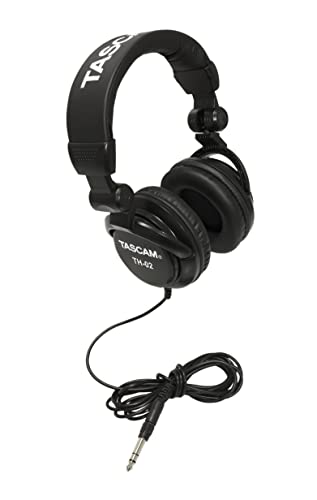
- Closed-back dynamic design supports passive isolation
- Foldable frame is easy to store and carry
- Includes a snap-on 3.5 mm to 1/4" adapter
Best For: Budget recording, DJ use, and casual monitoring
Reference-Grade Isolation
beyerdynamic DT 770 PRO 250 Ohm

- Closed-back passive isolation for studio focus
- 250-ohm tuning needs a strong headphone amp
- Lightweight velour pads and coiled cable
Best For: critical mixing and mastering with pro studio gear
Versatile Studio Isolation
LyxPro HAS-15 Studio Headphones

- Closed-back over-ear design for sound isolation
- 32-ohm impedance works with many devices
- Detachable cables and travel pouch included
Best For: budget-friendly recording and monitoring across multiple devices
Modern Pro Isolation

- 48-ohm closed-back design is easier to drive
- STELLAR.45 drivers emphasize clarity and detail
- Detachable cable and replaceable parts
Best For: professionals who switch between interfaces, laptops, and DACs
Studio-Grade Isolation Pick – Sennheiser HD 280 Pro
If you want closed back headphones for sound isolation, the Sennheiser HD 280 Pro is built for monitoring and recording situations where blocking outside noise matters. Its up to 32 dB attenuation, around-ear fit, and warm, natural sound make it a practical choice for focused listening in louder spaces.
Best For: Monitoring, recording, fieldwork, and anyone who wants strong passive isolation in a wired studio headphone.
Pros:
- Up to 32 dB attenuation for strong outside-noise reduction
- Closed, over-ear design with padded earcups for a secure fit
- Warm, natural sound reproduction with extended frequency response
- Replaceable earpads, headband padding, and cable for longer service life
Cons:
- Wired-only design may limit convenience for casual use
- Coiled cable may not suit every portable setup
Overall, the HD 280 Pro is a straightforward pick if isolation and durability matter more than flashy features. It is especially appealing for users who need a dependable closed-back monitor headphone with practical studio-friendly details.
Budget Studio Isolation Choice – Audio-Technica ATH-M20x
The Audio-Technica ATH-M20x is a practical option if you are shopping for closed back headphones for sound isolation on a budget. Its circumaural design is tuned for loud environments, and the 40 mm drivers give it a studio-monitor focus for tracking and mixing.
Best For: Entry-level studio tracking, mixing, and listeners who want a simple wired headphone with good isolation.
Pros:
- Circumaural design helps provide excellent sound isolation
- 40 mm drivers are tuned for enhanced low-frequency performance
- Single-side cable exit adds convenience in studio setups
- Built for studio tracking and mixing use
Cons:
- Wired-only connection limits mobility
- Basic feature set compared with higher-end models
For users who want a no-frills studio headphone with a focus on isolation, the ATH-M20x covers the essentials well. It makes the most sense when you need reliable monitoring without paying for extras you may not use.
Comfortable Everyday Isolation Pick – Sennheiser HD 569
The Sennheiser HD 569 is a closed back headphone for sound isolation that leans toward comfortable everyday listening. Its around-ear closed design, soft replaceable pads, and included detachable cables make it a flexible wired option for music and calls.
Best For: Music listeners and call users who want a comfortable closed-back headphone with useful cable options.
Pros:
- Closed, around-ear design with sound isolation
- Soft, replaceable ear pads for improved comfort
- Includes two detachable cables, including one with inline mic and remote
- Works with phones, tablets, laptops, and desktops
Cons:
- Not water resistant
- Wired design may not appeal to users wanting wireless convenience
The HD 569 stands out if you want isolation without giving up comfort or cable flexibility. It is a sensible choice for mixed-use listening where a closed-back fit and easy device compatibility both matter.
Pro Monitoring Isolation Favorite – Audio-Technica ATH-M50x
If you need closed back headphones for sound isolation in a more serious studio setup, the Audio-Technica ATH-M50x is a strong candidate. Its circumaural design is built for loud environments, while the 45 mm drivers and detachable cable setup support monitoring, mixing, and tracking.
Best For: Monitoring, mixing, tracking, and users who want a widely used studio headphone with good passive isolation.
Pros:
- Circumaural fit offers excellent sound isolation in loud environments
- 45 mm drivers deliver clear sound with deep, accurate bass
- 90-degree swiveling earcups help with one-ear monitoring
- Detachable cable and foldable design improve everyday studio use
Cons:
- Wired-only design
- Not water resistant
The ATH-M50x is a versatile studio staple for listeners who value isolation and detailed monitoring. If you want one closed-back headphone that can handle multiple studio tasks, this model is easy to justify.
Studio Standard for Critical Monitoring – beyerdynamic DT 770 Pro 80 Ohm
If you want closed back headphones for sound isolation in a serious studio setup, the beyerdynamic DT 770 Pro 80 Ohm is built for recording, monitoring, and critical listening. The closed-back design helps keep sound leakage low, while the balanced tuning aims to support mixing and mastering decisions without distracting hype.
Best For: Home studio users, podcasters, and musicians who need reliable isolation and a more neutral monitoring sound.
Pros:
- Closed-back construction helps minimize sound leakage during vocal and instrument tracking
- 80 ohm version is positioned as the most versatile option for studio use
- Soft black velour ear pads are designed for long-session comfort
- 3m straight cable gives plenty of reach at a desk or console
Cons:
- Wired-only design may not suit casual portable use
- Best fit depends on choosing the right impedance for your gear
This is the most studio-focused option in the group, especially if isolation and accuracy matter more than extra bass or wireless convenience. The replaceable parts and German-built design also make it a strong long-term investment for regular recording work.
Comfortable Budget Monitor Pick – M-AUDIO HDH40 Closed-Back Headphones
The M-AUDIO HDH40 is a straightforward choice if you need closed back headphones for sound isolation without overcomplicating your setup. Its 32 ohm design, fixed cable, and included 1/4″ adapter make it easy to use with a wide range of gear for studio monitoring, podcasting, and private listening.
Best For: Beginners, podcasters, and home-recording users who want an affordable, easy-to-drive closed-back model.
Pros:
- Closed-back design supports sound isolation for monitoring and recording
- 32 ohm impedance works with many devices, including laptops and phones
- Flexible headband and leather cushioning are made for comfortable listening
- 2.7m cable and 1/4″ adapter add studio-friendly convenience
Cons:
- Fixed cable may be less convenient than detachable options
- Sound tuning is geared more toward practical monitoring than premium detail
The HDH40 keeps things simple and compatible, which is useful if you need one pair that can move between recording gear and everyday devices. It stands out more for ease of use and comfort than for audiophile ambitions.
Portable Studio Value Option – TASCAM TH-02 Professional Studio Monitor Headphones
The TASCAM TH-02 is a practical pick if you want closed back headphones for sound isolation with a simple studio-monitoring approach. Its closed-back dynamic design aims for clean sound with rich bass and crisp highs, while the foldable build makes it easier to store or carry between sessions.
Best For: Budget-minded users who want foldable closed-back headphones for recording, DJ use, and general music listening.
Pros:
- Closed-back design provides passive isolation for studio and travel use
- Foldable build makes transport and storage more convenient
- Includes snap-on 3.5 mm to 1/4″ adapter for flexible connections
- Padded headband and ear pads add comfort for everyday wear
Cons:
- Plastic enclosure is less premium than metal-backed alternatives
- Wired design limits mobility
For the price-minded buyer, the TH-02 focuses on the essentials: isolation, foldability, and broad compatibility. It is a sensible choice when you want a dependable entry-level monitor headphone rather than a highly specialized studio tool.
Reference-Grade Isolation – beyerdynamic DT 770 PRO 250 Ohm
If you want closed back headphones for sound isolation with a more analytical, studio-first tuning, the DT 770 PRO 250 Ohm is built for critical listening. The closed-back design helps block ambient noise, while the 250-ohm impedance is aimed at high-powered studio gear and headphone amps for detailed mixing and mastering.
Best For: Engineers, mixers, and audiophiles using dedicated studio amplification who want focused passive isolation.
Pros:
- Closed-back design provides strong passive noise isolation for studio focus.
- 250-ohm tuning suits high-end interfaces, amps, and professional monitoring setups.
- Lightweight build with soft velour pads supports long sessions.
- 3m coiled cable helps keep desk setups tidy near an interface.
Cons:
- 250-ohm impedance is not ideal for low-power mobile devices.
- Single-purpose studio tuning is less flexible for casual listening needs.
This version stands out if you already have the right gear to power it and want a precise, low-distraction monitoring tool. The comfort, isolation, and coiled cable make it especially practical for editing and long studio work.
Versatile Studio Isolation – LyxPro HAS-15 Studio Headphones
The LyxPro HAS-15 is a practical pick if you want closed back headphones for sound isolation without overcomplicating the setup. Its closed-back over-ear design is meant to reduce distractions, and the 32-ohm impedance makes it easy to use with common devices while still delivering a studio-oriented sound.
Best For: Recording, monitoring, and everyday listening on laptops, desktops, and portable gear.
Pros:
- Closed-back over-ear design offers solid sound isolation.
- 32-ohm impedance is friendly for a wide range of devices.
- Two detachable cables and a travel pouch add convenience.
- Rotatable cups and padded headband improve comfort for long sessions.
Cons:
- Sound isolation is strong, but not the same as active noise cancellation.
- Build is more utility-focused than premium.
For buyers who need a flexible studio headphone that works across recording, monitoring, music listening, and gaming, this one covers a lot of ground. The detachable cables and easy fit make it especially appealing as an everyday closed-back option.
Modern Pro Isolation – beyerdynamic DT 770 Pro X
The DT 770 Pro X is a strong option if you need closed back headphones for sound isolation and want a more device-friendly impedance. With a 48-ohm design, these studio monitors are easier to run from interfaces, laptops, DACs, and other gear while still aiming for detailed, high-fidelity monitoring.
Best For: Studio monitoring, editing, and critical listening across a wide range of devices.
Pros:
- Closed-back design helps reduce outside noise during focused work.
- 48-ohm impedance makes it more flexible than many high-impedance studio models.
- STELLAR.45 drivers are tuned for clarity and detail.
- Detachable cable and replaceable parts support long-term use.
Cons:
- Noise control is listed as none, so isolation is passive only.
- Priced and positioned as a professional tool, not a casual all-rounder.
This is the most versatile Beyerdynamic option in the group for people who want serious studio detail without needing a dedicated amp. If you move between different setups, the lower impedance and detachable cable make it especially convenient.
How We Picked the Best Closed Back Headphones for Sound Isolation
We focused on Closed Back Headphones for Sound Isolation that offer strong passive noise reduction, reliable build quality, comfortable long-session wear, and sensible value for different use cases. We also considered driver tuning, cable options, and impedance so the list includes models suitable for home studios, mobile setups, and more demanding interfaces.
Quick Comparison
At a high level, the main differences come down to isolation, comfort, and how easy the headphones are to drive. Some models lean toward flatter monitoring for tracking and mixing, while others offer a slightly fuller or more engaging sound for general listening. Higher-impedance versions typically need stronger headphone outputs, while lower-impedance and more efficient models work better with laptops, interfaces, and portable gear.
Key Buying Factors for Closed Back Headphones for Sound Isolation
Isolation and Seal
A snug ear cup seal matters as much as the design itself. Deep pads, firm clamping force, and good cushion condition all help reduce outside noise and prevent click tracks or backing tracks from bleeding into microphones.
Comfort and Session Length
Look for lightweight frames, replaceable pads, and enough room around the ears if you plan to wear them for long recording or editing sessions. Comfort directly affects how useful Closed Back Headphones for Sound Isolation will be in practice.
Impedance and Source Matching
Check whether your interface, mixer, or audio device can properly power the headphones. Lower-impedance models are usually easier to drive, while 250-ohm designs may shine more with dedicated studio amplification.
Cable Type and Flexibility
Detachable cables, coiled cables, and longer straight cables each have advantages. Studio users often prefer durable, secure connections, while podcasters and creators may value easy replacement and less desk clutter.
Sound Signature
If you are tracking vocals or instruments, a more neutral presentation can help you hear issues clearly. If you want one pair for work and casual listening, a slightly warmer tuning may feel more enjoyable.
Who Should Buy Which Closed Back Headphones for Sound Isolation?
Choose a more isolating, monitoring-focused model if you record near microphones, need to minimize bleed, or work in a noisy space. Pick a comfort-first option if you wear headphones for hours at a time. If you use portable devices or an audio interface with limited power, favor efficient lower-impedance headphones. For home studio owners, the best choice is usually the model that matches your source gear, fits securely, and stays comfortable through long sessions.