Deep bass is more than a big thump. The right closed-back headphones let you hear low notes clearly while limiting sound leakage, but fit and tuning can make two models feel surprisingly different.
This roundup spans affordable wired options, established studio headphones, and a Bluetooth-capable pick. Use the guide below to narrow the field by how—and where—you listen.
Best 10 Closed Back Headphones for Deep Bass Picks for 2026
Wireless Flexibility
OneOdio A70 Bluetooth Headphones

- 40mm drivers tuned for powerful bass
- Up to 72 hours of wireless playback
- Wired 3.5mm and 6.35mm options
Best For: Bass-focused listening across wireless and wired setups
Accurate Monitoring
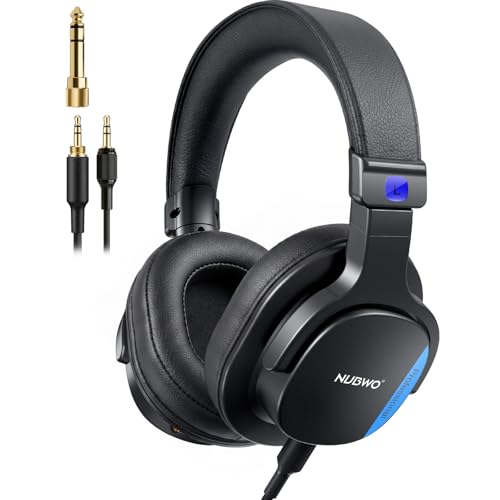
- Clean lows without exaggerated bass
- Lightweight 241g over-ear design
- Includes detachable cables and 6.35mm adapter
Best For: Instrument practice and faithful wired monitoring
DJ Bass Pick
OneOdio Pro-10 Wired Headphones

- 50mm drivers deliver powerful bass
- Swiveling cups for one-ear monitoring
- Supports 3.5mm and 6.35mm connections
Best For: Wired DJ use and bass-forward listening
Studio Isolation
Audio-Technica ATH-M40x Headphones

- Circumaural sound-isolating design
- 90-degree swiveling earcups
- Detachable cables and adapter included
Best For: Wired studio monitoring in louder spaces
Best for Flexible Connections

- 50 mm drivers with dynamic bass
- Two detachable plug options
- Padded, closed-back over-ear design
Best For: Switching between recording gear and everyday devices
Best for Studio Detail

- Precise STELLAR.45 drivers
- 48-ohm, easy-to-drive design
- Replaceable pads and detachable cable
Best For: Isolated recording and detail-focused monitoring
Best for Low-Frequency Tuning

- Enhanced low-frequency tuning
- 40 mm dynamic drivers
- Passive over-ear isolation
Best For: Wired listening with a stated bass emphasis
Best for Accurate Bass

- 45 mm drivers; deep, accurate bass
- Around-ear sound isolation
- Detachable cable and swiveling earcups
Best For: Bass definition and flexible monitoring
Best for Midrange Detail
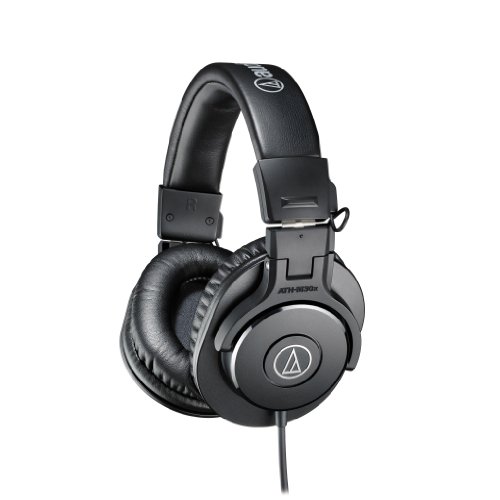
- 40 mm drivers emphasize midrange detail
- Around-ear sound isolation
- Collapsible for compact storage
Best For: Detail-focused monitoring and tracking
Best for Wired Monitoring

- 40 mm drivers; powerful, detailed sound
- Closed-ear external-noise reduction
- Foldable; 9.8-foot fixed cord
Best For: Stationary home or professional monitoring
Wireless Flexibility – OneOdio A70 Bluetooth Headphones
If you want closed back headphones for deep bass without giving up wireless convenience, the OneOdio A70 pairs 40mm drivers and sound-isolating over-ear cups with Bluetooth listening. Its advertised battery life is up to 72 hours, and the included cables let you keep listening in wired mode.
Best For: Listeners who want bass-focused wireless headphones that can also connect to studio or DJ gear.
Pros:
- 40mm neodymium drivers are designed for powerful bass.
- Bluetooth and included 3.5mm and 6.35mm cable options add flexibility.
- Foldable, rotating earcups and cushioned pads support portable, extended use.
Cons:
- Passive sound isolation is not active noise cancellation.
- Not water resistant.
The A70 makes the most sense when convenience matters as much as bass: switch to a cable when the battery runs low or when connecting to equipment with a 6.35mm jack.
Among closed back headphones for deep bass, the wired NUBWO HD01 is the more restrained choice: its stated sound profile favors clean lows and faithful monitoring rather than exaggerated bass. Angled 45mm drivers, over-ear isolation, and a 241g build suit instrument practice and recording.
Best For: Musicians and creators who need to hear low frequencies clearly without a deliberately boosted bass sound.
Pros:
- 45mm angled drivers are designed for accurate, natural monitoring.
- 241g weight, memory-foam pads, and swiveling earcups support longer sessions.
- Detachable cables and an included 6.35mm adapter connect to common studio gear.
Cons:
- Wired-only design lacks Bluetooth convenience.
- Its intentionally unexaggerated bass may disappoint listeners seeking extra thump.
Choose the HD01 when bass definition matters more than bass boost. The included cable options and adapter make it particularly practical for amps, mixers, and audio interfaces.
The OneOdio Pro-10 is a straightforward wired option for shoppers seeking closed back headphones for deep bass. Its 50mm neodymium drivers are described as delivering powerful bass alongside clear vocals and crisp highs, while padded over-ear cups provide sound isolation.
Best For: DJs and wired listeners who want a pronounced bass presentation with single-ear monitoring.
Pros:
- 50mm drivers are designed for powerful bass.
- 90-degree swiveling earcups support single-ear DJ monitoring.
- Works with devices offering 3.5mm or 6.35mm audio connections.
Cons:
- Wired-only operation limits mobility.
- At a listed 415g, it is heavier than the other listed studio models with supplied weights.
If your priority is bass impact at a mixer, computer, or instrument setup, the Pro-10 is the clearest bass-forward choice here. Its share-audio port is a useful extra, but it does not replace wireless connectivity.
For buyers comparing closed back headphones for deep bass, the Audio-Technica ATH-M40x is a studio-oriented alternative rather than a model advertised for boosted bass. Its circumaural cups are designed to isolate sound in loud environments, and its 40mm drivers suit wired monitoring setups.
Best For: Studio users who prioritize isolation, durable construction, and one-ear monitoring over a stated bass boost.
Pros:
- Around-ear design provides sound isolation in loud spaces.
- 90-degree swiveling earcups make one-ear monitoring easier.
- Includes detachable cables, a protective case, and a screw-on adapter.
Cons:
- Wired-only; no Bluetooth option.
- Supplied specifications do not claim enhanced or deep-bass tuning.
Pick the ATH-M40x for practical studio features and passive isolation. If a specifically bass-emphasized sound is your main goal, its supplied description gives you less reason to expect that than the bass-focused OneOdio models.
Best for Flexible Connections – FIFINE HD8
If you’re comparing closed back headphones for deep bass, the FIFINE HD8 offers dynamic bass from 50 mm drivers while aiming for balanced mids and treble rather than an exaggerated low end. Its two detachable coiled cables make it especially practical for switching between everyday devices and studio gear.
Best For: Recording, streaming, or listening across devices with 3.5 mm and 6.35 mm connections.
Pros:
- 50 mm drivers deliver dynamic bass alongside stable mids and accurate treble.
- Includes detachable 3.5 mm and 6.35 mm coiled cables.
- Closed-back earcups provide passive isolation; padded cushions and an adjustable headband support longer sessions.
Cons:
- Long, 9.8-foot coiled cables may be cumbersome for portable listening.
- Passive isolation does not provide active noise cancellation.
Choose the HD8 if connection flexibility and a balanced presentation matter as much as bass. The supplied description promises dynamic low frequencies, not a deliberately bass-heavy tuning.
Best for Studio Detail – beyerdynamic DT 770 Pro X
For buyers considering closed back headphones for deep bass but unwilling to give up studio precision, the beyerdynamic DT 770 Pro X is a recording-focused option. Its STELLAR.45 drivers are specified for precise, high-resolution sound, while the closed-back design helps limit microphone bleed.
Best For: Tracking and mixing when isolation, clarity, and replaceable wear parts matter.
Pros:
- 48-ohm impedance allows use with a laptop, interface, phone, or console without a dedicated headphone amp.
- Closed-back isolation helps keep headphone sound out of recording microphones.
- Detachable mini-XLR cable and replaceable velour ear pads support ongoing use.
Cons:
- The included 3 m cable may be unwieldy away from a desk or studio.
- Its stated emphasis is precise studio sound, not specifically boosted bass.
Pick the DT 770 Pro X for controlled monitoring rather than assuming it will deliver the strongest bass emphasis. Its practical advantage is combining closed-back isolation with easy-to-drive, serviceable hardware.
Best for Low-Frequency Tuning – Audio-Technica ATH-M20x
Among closed back headphones for deep bass, the white Audio-Technica ATH-M20x stands out for its stated enhanced low-frequency tuning. Its 40 mm drivers and circumaural design pair that bass emphasis with sound isolation for monitoring or everyday listening.
Best For: Listeners who want a studio-style wired headphone with enhanced low-frequency performance.
Pros:
- Specifically tuned for enhanced low-frequency performance.
- Over-ear, circumaural fit provides sound isolation in loud environments.
- Single-side cable exit keeps the cord on one side.
Cons:
- Wired connection limits use when a headphone jack is unavailable.
- Sound isolation is passive, not active noise cancellation.
The ATH-M20x is the most explicitly bass-tuned choice here based on the supplied descriptions. Consider it if that tuning matters more to you than the HD8’s multiple included plug options or the DT 770 Pro X’s replaceable pads.
Best for Accurate Bass – Audio-Technica ATH-M50x
For shoppers comparing closed back headphones for deep bass, the Audio-Technica ATH-M50x is the clearest match here: its 45 mm drivers are specified to deliver deep, accurate bass alongside clarity across an extended frequency range.
Best For: Listeners who want bass definition, sound isolation, and flexible studio-style monitoring.
Pros:
- 45 mm drivers deliver deep, accurate bass response.
- Around-ear design provides sound isolation in loud environments.
- Detachable cable, folding design, and swiveling earcups add practical flexibility.
Cons:
- Wired connection only.
- Not water-resistant.
The ATH-M50x makes sense if you want bass you can hear clearly rather than a stated bass boost, with features suited to both listening and monitoring.
Best for Midrange Detail – Audio-Technica ATH-M30x
The Audio-Technica ATH-M30x belongs in a comparison of closed back headphones for deep bass when you also care about hearing midrange detail. Its stated tuning emphasizes definition through the mids, rather than promising enhanced bass.
Best For: Studio tracking, mixing, or field recording where isolation and midrange detail matter most.
Pros:
- 40 mm drivers are tuned for enhanced detail and midrange definition.
- Around-ear design offers sound isolation in loud environments.
- Collapsible construction saves space when carrying or storing them.
Cons:
- Supplied notes do not specify an enhanced or deep-bass tuning.
- Wired connection limits wireless use.
Choose the ATH-M30x for its monitoring-oriented detail and practical isolation; if deep bass is your main priority, its listed strengths are less directly aligned with that goal.
Best for Wired Monitoring – Sony MDR7506
The Sony MDR7506 is a professional monitoring option for buyers researching closed back headphones for deep bass. Its 40 mm drivers are described as producing powerful, detailed sound, and its specified frequency range extends down to 10 Hz; those specifications alone do not establish a bass-heavy sound.
Best For: Home or professional audio monitoring where a long wired cord and external-noise reduction are useful.
Pros:
- 40 mm drivers deliver powerful, detailed sound.
- Closed-ear design reduces external noise.
- Folds for storage and includes a soft case and 1/4-inch adapter.
Cons:
- 9.8-foot cord is not detachable.
- Long cord may be inconvenient for portable listening.
The MDR7506 is a practical pick for stationary monitoring, especially if you need its long cord; consider its stated sound and features rather than assuming its low frequency-range figure guarantees extra bass.
How We Picked the Best Closed Back Headphones for Deep Bass
We selected 10 closed-back over-ear models across a range of prices and uses, from casual listening and DJ setups to studio monitoring. The lineup includes wired and Bluetooth-capable options, with attention to connection types, replaceable cables where offered, and practical features such as swiveling earcups. Manufacturer specifications can help establish compatibility, but they cannot tell you exactly how much bass you will hear: fit, ear-pad condition, and the recording itself all matter.
Quick Comparison: Where to Start
If wireless convenience matters, start with the OneOdio A70; most other picks here are intended for wired listening. For a familiar studio-monitor route, compare the Audio-Technica ATH-M20x, ATH-M30x, ATH-M40x, and ATH-M50x based on your budget and feature needs. The beyerdynamic DT 770 Pro X is another studio-oriented option, while the Sony MDR7506 is worth considering when clear, practical monitoring is the priority. OneOdio’s wired DJ model, the NUBWO HD01, and the FIFINE HD8 offer additional choices if price or included cable options are central to your decision.
Key Buying Factors for Closed-Back Headphones for Deep Bass
Bass Level Versus Bass Clarity
More bass is not automatically better bass. If you want impact for electronic music or movies, look for a satisfying low-end emphasis. If you record, mix, or play an instrument, prioritize bass notes you can distinguish without losing vocals, kick-drum definition, or midrange detail. Studio-oriented headphones may sound less boosted than you expect.
Seal, Comfort, and Isolation
A secure seal around both ears is crucial to deep-bass perception. Glasses, hair, worn pads, and a loose fit can reduce it. Also consider clamp pressure, earcup space, and heat buildup for long sessions. Closed backs help contain sound, but they do not provide the same noise reduction as active noise canceling.
Connections and Daily Use
Check whether your source uses a 3.5 mm jack, a 6.35 mm studio input, or Bluetooth, and confirm which cables or adapters are included. Detachable cables can simplify replacement; swiveling cups can help with one-ear monitoring. If you will use a phone or laptop without an audio jack, budget for the appropriate adapter or interface.
Who Should Buy Which Closed Back Headphones for Deep Bass?
Choose the OneOdio A70 if you need the option to listen wirelessly as well as by cable. Start with the ATH-M20x, ATH-M30x, NUBWO HD01, FIFINE HD8, or wired OneOdio DJ headphones if keeping costs down matters most; compare fit and connections before deciding. Consider the ATH-M40x, ATH-M50x, DT 770 Pro X, or Sony MDR7506 for a more studio-focused setup, while remembering that their different tunings may not all satisfy a bass-heavy preference equally. For any of these Closed Back Headphones for Deep Bass, buy from a seller with a workable return policy if you cannot try them on first: comfort and seal are personal.