Looking for a capture card with passthrough that can handle modern consoles without adding lag? The best models let you play in real time while recording or streaming crisp video to your PC.
Below, we focus on capture cards that balance image quality, latency, resolution support, and day-to-day usability so you can choose the right fit for your setup.
Best 10 Capture Card with Passthrough Picks for 2026
Editor’s Pick
AVerMedia StreamLine MINI+ GC311G2

- 4K60 HDR passthrough with ultra-low latency
- 1080p60 capture with flexible output formats
- Plug-and-play setup with OBS support
Best For: Streamers who want easy console and PC capture with smooth passthrough
Budget-Friendly
XIIXMASK USB 3.0 HDMI Capture Card

- 4K60 capture with 4K passthrough
- Up to 1080p120 support for high-frame-rate input
- Plug-and-play with audio in and mic out
Best For: Value-focused users who need broad compatibility and passthrough
Premium Choice

- 4K60 capture with 1440p120/1080p240 passthrough
- HDR10 support and near-zero latency
- Analog audio input for commentary
Best For: Creators who want premium capture quality and high-refresh passthrough
Portable Pro Pick
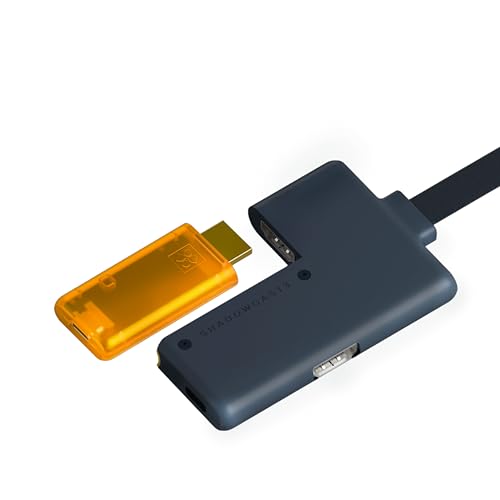
- Zero-latency HDMI passthrough module
- 4K60 capture with 1440p120 and 1080p240 support
- USB-C, OBS-ready, and travel-friendly
Best For: Portable users who need lag-free passthrough and compact capture
Premium 4K HDR Capture
AVerMedia Live Gamer Ultra S 4K60

- 4K60 HDR and VRR passthrough
- Captures up to 4K60, plus 1440p144/1080p240 support
- Supports ultrawide inputs and multiple platforms
Best For: Console and PC users wanting top-tier passthrough and capture flexibility
Budget Loop-Out Pick
Newhope USB 3.0 HDMI Capture Card

- 1080p60 capture with low latency
- Real-time HDMI loop-out for passthrough play
- Mic-in and plug-and-play compatibility
Best For: Budget users who want simple passthrough and easy setup
Internal PCIe Powerhouse

- 4K144 HDR passthrough in an internal PCIe card
- Ultra-low latency capture and recording
- Supports 1080p240 and 1440p120 capture modes
Best For: Desktop gamers building a permanent high-refresh capture setup
UGREEN Loop-Out Pick
2K30 capture with HDMI loop-out

- 4K@30Hz input and loop-out
- Captures up to 2K 30fps
- USB-A/C plug-and-play setup
Best For: Gamers and streamers who want low-latency passthrough and easy setup
Rybozen Budget Loop-Out
1080p60 capture with HDMI loop-out

- HDMI loop-out for zero-delay monitoring
- 1080p 60fps capture over USB 3.0
- Mic-in for live commentary
Best For: Budget streamers who want passthrough and built-in mic input
Acer Portable Loop-Out
4K input, 1080p60 loop-out capture

- 4K input with 1080P@60Hz output
- HDMI loop-out for low-latency preview
- Mic-in plus USB-A/C plug-and-play
Best For: Users who want portable passthrough capture with commentary support
Editor’s Pick – AVerMedia StreamLine MINI+ GC311G2
If you want a capture card with passthrough that keeps gameplay smooth while you stream, the AVerMedia StreamLine MINI+ is built for an easy setup. It offers 4K60 HDR passthrough with ultra-low latency, while recording in 1080p60 for a simple balance of quality and responsiveness.
Best For: Streamers who want a plug-and-play capture card for consoles, PC, or mobile-friendly workflows.
Pros:
- 4K60 HDR passthrough with near-instant response for lag-free play
- 1080p60 recording plus flexible formats like NV12, YUY2, and MJPEG
- Plug-and-play USB-C setup with no drivers required
- Works with OBS, AVerMedia Streaming Center, and other common apps
Cons:
- Capture resolution tops out at 1080p, not 4K recording
- Best experience depends on compatible system requirements
Overall, this is a practical pick for users who want reliable passthrough, low-latency streaming, and an approachable setup without a lot of extra configuration.
Budget-Friendly – XIIXMASK USB 3.0 HDMI Capture Card
This capture card with passthrough focuses on broad compatibility and high-frame-rate support, making it a strong value option for everyday streaming and recording. It supports 4K60 capture and 4K HDMI passthrough, plus up to 1080p120 input, so you can monitor gameplay while still keeping your footage sharp.
Best For: Buyers who want a versatile, budget-conscious capture card for consoles, PCs, and creator tools.
Pros:
- 4K60 capture with 4K passthrough for real-time monitoring
- Up to 1080p120 capture and support for multiple video formats
- Plug-and-play design with no external power required
- Includes 3.5mm audio input and mic out for commentary setups
Cons:
- Only the listed platform is Windows, despite broader OS compatibility notes
- Not positioned as a premium, ultra-low-latency flagship model
For users who need wide device support and passthrough without overcomplicating the setup, this model covers a lot of ground at a practical feature level.
Premium Choice – Elgato 4K S Capture Card
If you want a capture card with passthrough from a well-known creator brand, the Elgato 4K S is designed for high-quality gameplay capture and fast response. It records in 4K60, supports 1440p120 or 1080p240 passthrough, and includes HDR10 support with tone mapping on Windows.
Best For: Console and PC creators who want premium capture quality with high refresh passthrough.
Pros:
- 4K60 capture with 1440p120 or 1080p240 passthrough
- HDR10 support for compatible content
- Near-zero latency for responsive gameplay
- Analog 3.5mm audio input for chat or commentary
Cons:
- Listed operating system support is centered on Windows 11 and macOS 13+
- Less flexibility if you need support outside its stated device and OS list
As a premium option, the 4K S is best suited to users who care about smooth passthrough, HDR support, and strong capture quality in a compact device.
Portable Pro Pick – GENKI ShadowCast 3 Pro
The GENKI ShadowCast 3 Pro is a capture card with passthrough aimed at fast, portable setups. Its integrated HDMI passthrough module lets you play on a primary monitor with zero lag while capturing 4K60 footage, and it also supports 1440p120 and 1080p240 for high-frame-rate gameplay.
Best For: Portable creators and gamers who want low-latency passthrough in a compact USB-C setup.
Pros:
- Integrated zero-latency HDMI passthrough for direct play
- 4K60 capture with 1440p120 and 1080p240 support
- USB-C design with near real-time interaction
- Works with OBS, Streamlabs, Zoom, and Discord as a camera feed
Cons:
- Requires compatible setups and listed minimum system requirements
- Focuses on portability, so it may not suit users wanting a more traditional desk-first device
This is a smart choice if you want a compact passthrough solution for travel, laptop use, or a streamlined creator workflow without giving up high refresh support.
Premium 4K HDR Capture – AVerMedia Live Gamer Ultra S 4K60
If you want a capture card with passthrough that can handle modern consoles and high-refresh displays, the AVerMedia Live Gamer Ultra S is built for that job. It supports 4K60 HDR and VRR passthrough, plus capture up to 4K60, with extra support for ultrawide input and higher frame-rate capture modes for selected resolutions.
Best For: Console and PC players who want high-end passthrough, HDR, VRR, and broad device support.
Pros:
- 4K60 HDR and VRR passthrough for smooth gameplay on supported displays
- Captures up to 4K60, with 1440p144 and 1080p240 support listed in the notes
- Supports ultrawide inputs like 3440×1440 and 2560×1080
- Works with Windows, macOS, and iPadOS for unencrypted HDMI sources
Cons:
- Full feature set depends on supported hardware and software setup
- Some capture features are Windows-focused, including 5.1-channel audio and RGB24
This is the most feature-rich option here if passthrough quality matters as much as capture quality. It is best suited to users who want a modern, flexible setup for streaming, recording, and high-refresh console play.
Budget Loop-Out Pick – Newhope USB 3.0 HDMI Capture Card
This capture card with passthrough keeps things simple: it records and streams at 1080p60 while offering low-latency 4K pass-through through the HDMI loop-out port. If you mainly want a straightforward way to play on a separate display while capturing gameplay, this is the practical, low-friction choice.
Best For: Budget buyers who want easy HDMI loop-out, mic input, and broad compatibility.
Pros:
- 1080p60 capture with low latency
- Real-time HDMI loop-out for delay-free play on an external display
- Mic-in support for commentary during gameplay or recordings
- Plug-and-play design with Windows, macOS, Linux, and iPadOS support listed
Cons:
- Capture resolution tops out at 1080p in the listed details
- Pass-through is described as 4K, but capture is still focused on 1080p60
For basic streaming, teaching, or game capture, this model covers the essentials without extra setup complexity. It makes the most sense when you value easy passthrough and broad compatibility over advanced recording features.
Internal PCIe Powerhouse – AVerMedia Live Gamer 4K 2.1
If you are building a desktop streaming rig and want a capture card with passthrough that stays out of the way, the AVerMedia Live Gamer 4K 2.1 is a strong internal option. It uses PCIe 3.0, supports 4K144 HDR passthrough, and is designed for ultra-low latency capture and recording on Windows systems.
Best For: Desktop streamers and PC gamers who want an internal PCIe card with high-refresh passthrough.
Pros:
- 4K144 HDR pass-through for high-refresh gaming setups
- Ultra-low latency game capture in an internal PCIe form factor
- Supports 1080p240 and 1440p120 capture modes
- Plug-and-play installation with Windows 10/11 x64 support listed
Cons:
- Requires a PCI Express 3.0 slot, so it is not a portable USB option
- Windows-only support is listed in the supplied details
This card is aimed at users who want a more permanent capture setup with strong passthrough performance. It fits best in a desktop build where low latency and high refresh rate support are priorities.
UGREEN Loop-Out Pick – 2K30 capture with HDMI loop-out
If you want a capture card with passthrough for low-latency monitoring, this UGREEN model is built around 4K@30Hz input and 4K@30Hz HDMI loop-out while capturing up to 2K at 30fps. It’s a practical pick for streamers and gamers who want a clean setup, USB 3.0 connectivity, and compatibility across Windows, macOS, Linux, and Android.
Best For: Streamers and gamers who need real-time passthrough monitoring and 2K capture without driver hassles.
Pros:
- 4K@30Hz input with 4K@30Hz HDMI loop-out for zero-latency local preview
- Captures up to 2K 30fps, with 1080P 60fps support
- USB-A and USB-C support plus plug-and-play setup
- Works with OBS, XSplit, Potplayer, and more on multiple systems
Cons:
- Does not support 4K capture
- PS4 and PS5 require HDCP to be turned off
- iPhone cannot be used as a data acquisition device
Overall, this is a strong all-around choice if your priority is reliable passthrough and straightforward streaming support rather than true 4K recording. The aluminum housing and broad device compatibility make it especially appealing for longer sessions and mixed-device setups.
Rybozen Budget Loop-Out – 1080p60 capture with HDMI loop-out
This capture card with passthrough is aimed at users who want a simple, low-latency streaming setup with HDMI loop-out and 1080p capture up to 60fps. It supports HDMI input up to 4K30/60Hz and 1080p120/144Hz, making it a flexible fit for common consoles, cameras, and PC streaming workflows.
Best For: Budget-conscious streamers who want HDMI passthrough, mic-in support, and plug-and-play operation.
Pros:
- HDMI loop-out provides zero-delay gameplay monitoring
- Up to 1080p 60fps capture with USB 3.0 connection
- Plug-and-play design with no driver or external power required
- Mic-in support for external commentary using a 3.5mm TRS headset mic
Cons:
- Output is limited to up to 2K30Hz
- Windows and Mac OS support are listed, but the detailed specs emphasize Windows requirements
- Mic-in only accepts 3.5mm TRS standard microphone headsets
For users who mostly need dependable 1080p streaming and a direct passthrough monitor, this model covers the basics well. Its mic-in feature adds convenience for live commentary, which makes it useful for solo creators and casual gaming broadcasts.
Acer Portable Loop-Out – 4K input, 1080p60 loop-out capture
If you’re shopping for a capture card with passthrough that balances clarity and convenience, this Acer model supports 4K input, 1080P@60Hz output, and HDMI loop-out for low-latency monitoring. It also uses YUY2 instead of MJPEG, which the listing says delivers richer color, and it keeps setup simple with plug-and-play operation.
Best For: Creators and gamers who want low-latency loop-out, mic-in commentary, and flexible device compatibility.
Pros:
- 4K input with smooth 1080P@60Hz capture performance
- HDMI loop-out for live preview and low-latency monitoring
- Mic-in support for commentary without extra adapters
- Plug-and-play design with USB-A and USB-C support
Cons:
- Listed capture resolutions are 1080p and 720p, not 4K capture
- Requires a USB 3.0 port to run at USB 3.0 speeds
- Compatibility details vary by system and app, so setup expectations should be checked
This is a solid pick if you want a versatile loop-out capture device for gaming, classes, or recordings and also value direct mic input. The portable design and wide platform support make it a practical everyday option rather than a niche specialist.
How We Picked the Best Capture Card with Passthrough
We prioritized pass-through quality, supported input/output resolutions, latency, platform compatibility, and overall reliability. For a Capture Card with Passthrough, the most important question is whether it preserves your gameplay experience while delivering a clean signal to your recording software.
We also looked at whether a model is better suited to console gaming, PC streaming, travel setups, or more permanent desktop builds.
Quick Comparison: What Matters Most
The main differences usually come down to throughput and resolution targets. Some cards are best for 1080p60 capture with 4K pass-through, while others are built for 4K60 workflows or higher-end HDMI 2.1 setups. Internal PCIe options typically offer the most stable performance, while USB capture cards tend to be simpler to set up and more portable.
Key Buying Factors for a Capture Card with Passthrough
Pass-Through Resolution and Refresh Rate
Match the card to your display and console. If you game on a 4K TV or monitor, look for 4K60 pass-through at minimum. Competitive players with high-refresh displays should confirm support for the refresh rate they actually use.
Capture Resolution Vs. Pass-Through Resolution
Many cards pass the full signal through to your display but record at a lower resolution, such as 1080p60. That is often the best value if you want smooth gameplay and practical file sizes without needing a top-tier editing rig.
Connection Type
USB 3.0 models are easier to plug in and move between systems. PCIe cards are usually better for dedicated streaming PCs and users who want the lowest possible overhead.
Latency and Software Support
A good Capture Card with Passthrough should feel invisible during play. Check for ultra-low latency claims, then make sure the card works well with the streaming software or console workflow you plan to use.
Console and Device Compatibility
Confirm support for PS5, Xbox Series X/S, Switch, or PC before buying. Some cards are optimized for specific platforms, and that can matter more than raw specs.
Who Should Buy Which Capture Card with Passthrough?
If you want the simplest setup, choose a USB capture card with solid 4K pass-through and 1080p60 capture. If you stream competitively or run a dedicated gaming PC, an internal PCIe card is often the better investment. If portability matters, look for a compact USB-C or bus-powered model.
For most buyers, the sweet spot is a Capture Card with Passthrough that offers stable 4K pass-through, dependable 1080p60 recording, and broad console compatibility. That combination gives you excellent gameplay performance now without boxing you into an overly niche setup later.