Wedding videography demands stability, speed, and the ability to move quietly through crowded spaces. The right monopod helps you stay agile while keeping your footage smooth during ceremonies, receptions, and fast-changing moments.
In this roundup, we focus on camera monopods for wedding videography that balance support, portability, and ease of use for real-world event coverage.
Best 10 Camera Monopods for Wedding Videography Picks for 2026
Fluid-Base Video Support
Manfrotto XPRO+ Monopod with Video Head
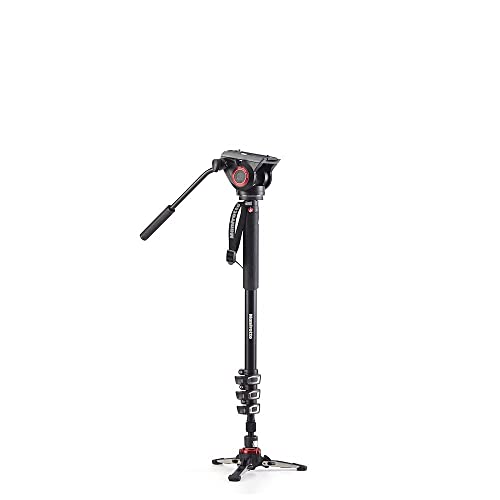
- Fluidtech base supports smooth 3D movement.
- D-shaped tubes help resist rotation.
- Retractable feet improve portability.
Best For: Smooth, controlled wedding video movement
Portable Travel Pick
NEEWER 61-inch Camera Monopod Stand

- Very light at 0.88 lb and folds small.
- Supports up to 17.6 lb.
- Includes rubber and spike feet for varied surfaces.
Best For: Travel-friendly wedding coverage and fast setup
Fluid Head Compact Option
Cayer FP34 Video Monopod with Feet

- Fluid head provides 360° pan and tilt control.
- Folding three-legged base adds stability.
- Can convert to a small tabletop tripod.
Best For: Controlled wedding video with a compact footprint
Rapid Deploy Modular Pick
IFOOTAGE Cobra 3 A180T Monopod
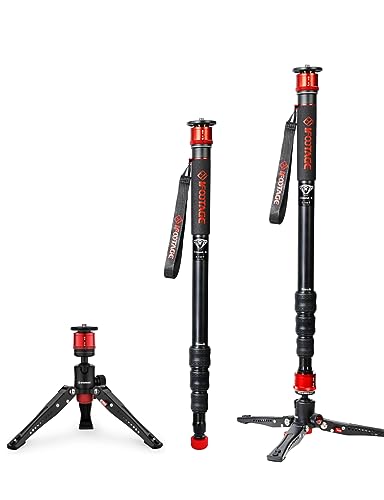
- Quick-adjust twist-lock design speeds setup.
- Modular quick-release locking mechanism.
- Payload rated to 17.6 lb.
Best For: Fast-moving wedding shoots and frequent repositioning
Premium Carbon Fiber Stability
Manfrotto 290 Carbon Fiber 4-Section Monopod

- Carbon fiber body keeps it light at 1.1 lb.
- 4 sections for quick height adjustments.
- 22 lb load limit for camera support.
Best For: Wedding videographers who need a lightweight, portable monopod
Flexible 3-in-1 Support
SIRUI Aluminum Monopod with Feet

- 3-in-1 setup: monopod, extension rod, or low-angle tripod.
- Built-in 360° panning for smoother movement.
- 26.4 lb load capacity with quick-release setup.
Best For: Videographers who want maximum versatility on wedding shoots
One-Handed Height Control
SmallRig Carbon Fiber Ball Head Monopod

- One-touch lift and lock for one-handed adjustments.
- 68 cm folded length for compact transport.
- Built-in bubble level and accessory mounting points.
Best For: Wedding videographers who need fast adjustments and compact carry
Lightweight Travel Option

- 0.83 lb aluminum build for easy carry
- 61-inch max height with 5 sections
- Supports up to 11.02 lb for lighter rigs
Best For: Portable wedding videographers who prioritize speed and minimal carry weight
Video-Focused Fluid Head
NEEWER TP71 Carbon Fiber Monopod

- Carbon fiber body with 71.6-inch max height
- Fluid head gives 360° swivel and tilt control
- Quick-release system works with DJI RS gimbals
Best For: Wedding videographers who need smoother camera moves and faster setup changes
Heavy-Duty Stable Pick
COMAN Monopod with Feet and Fluid Head

- 22 lb max load for heavier wedding rigs
- Tripod feet and locking design improve stability
- Fluid head provides 360° pan and wide tilt range
Best For: Wedding videographers carrying heavier cameras who want extra stability
Fluid-Base Video Support – Manfrotto XPRO+ Monopod with Video Head
For camera monopods for wedding videography, this Manfrotto model is built for smooth movement and fast repositioning during ceremonies, speeches, and receptions. The FLUIDTECH base is designed for fluid 3D movement, while the D-shaped aluminum tubes and Power Quick Lock help keep motion controlled when you need to follow action without jerks.
Best For: Videographers who want fluid pans and tilts with a more stable, portable monopod setup.
Pros:
- FLUIDTECH base supports smooth pan, tilt, and swivel movement.
- Retractable feet make it easier to carry and pack between locations.
- D-shaped aluminum tubes help resist rotation during quick moves.
- Power Quick Lock is designed to reduce unwanted jerky motion.
Cons:
- Weight limit is listed at 3.3 lb, so heavier rigs are not a fit.
- At 4.6 lb, it is not the lightest option in the group.
- Not water resistant.
Overall, this is a strong pick if smooth camera motion matters more than ultra-low weight. It leans toward controlled video work rather than bare-bones portability, which suits wedding coverage well.
Portable Travel Pick – NEEWER 61-inch Camera Monopod Stand
If you want camera monopods for wedding videography that are easy to carry from ceremony to reception, this NEEWER stand focuses on portability and quick height changes. Its aluminum alloy build, compact folded size, and interchangeable feet make it adaptable for indoor venues and outdoor locations alike.
Best For: Videographers who need a lightweight, travel-friendly monopod with flexible mounting options.
Pros:
- Weighs only 0.88 lb and folds down to 17.3 in for easy transport.
- Supports DSLR cameras up to 17.6 lb.
- Quick flip locks make height changes fast and simple.
- Includes interchangeable rubber and steel spike feet for different surfaces.
Cons:
- No fluid video head is included in the supplied details.
- Listed as not water resistant.
- Best suited to support-only use rather than a more specialized video rig.
This is a practical choice when mobility is the priority and you want a compact monopod that can travel light. The flexible adapter setup also makes it useful if you switch between cameras and accessories.
Fluid Head Compact Option – Cayer FP34 Video Monopod with Feet
For camera monopods for wedding videography, the Cayer FP34 blends a 4-section aluminum leg with a fluid head and folding three-legged base for steadier video work. Its 360° panning, tilt range, and quick setup design make it useful when you need smooth framing during a ceremony or reception.
Best For: Videographers who want a compact monopod kit with a fluid head and more stable base.
Pros:
- Fluid head offers 360° panning and +90° / -50° tilt.
- Folding three-legged base adds stability and can switch to a small tabletop tripod.
- Compact folded length of 28.4 in with a 4.2 lb weight.
- Standard QR plate supports 1/4 in and 3/8 in camera mounting screws.
Cons:
- Max load is 13.2 lb, which may limit heavier setups.
- The folded size is still larger than the smallest travel monopods.
- Noted as a monopod kit, so it is more specialized than a simple support pole.
This model sits in a useful middle ground between portability and video control. It is a sensible option if you want a smoother head and a more planted base without moving to a full tripod.
Rapid Deploy Modular Pick – IFOOTAGE Cobra 3 A180T Monopod
Among camera monopods for wedding videography, this IFOOTAGE Cobra 3 focuses on fast deployment and a modular setup that can move quickly between shooting positions. The twist-lock joints, quick-disconnect locking mechanism, and detachable mini tripod base are built for videographers who need speed and flexibility.
Best For: Videographers who want quick setup, modular parts, and a higher payload rating.
Pros:
- Quick-adjusting height design lets you change position without disconnecting.
- Modular quick-disconnect locking mechanism supports rapid release and lock.
- Detachable mini tripod base adds versatility.
- Payload is listed at 17.6 lb, with a relatively light 2.76 lb net weight.
Cons:
- No fluid base or fluid head is specified in the supplied details.
- At 5 sections, it is more complex than simpler monopods.
- Not water resistant.
This is a strong fit if you value speed and modular handling over a built-in fluid video system. It should appeal to wedding shooters who move often and want a monopod that deploys quickly between moments.
Premium Carbon Fiber Stability – Manfrotto 290 Carbon Fiber 4-Section Monopod
If you’re comparing camera monopods for wedding videography, this Manfrotto option stands out for a lightweight carbon fiber build, quick height changes, and a compact folded size. It’s designed to move fast from ceremony aisles to reception floors while still offering solid support for camera setups up to 22 lb.
Best For: Videographers who want a lightweight, travel-friendly monopod with dependable load support for fast-paced wedding coverage.
Pros:
- Carbon fiber construction keeps weight low at 1.1 lb.
- 4-section design allows rapid height adjustments.
- Supports cameras up to 22 lb / 10 kg.
- Rubber leg warmers and angled wrist strap add practical handling comfort.
Cons:
- No included feet or tripod base for extra standing stability.
- Not water resistant.
- Maximum height of 59.4 inches may be limiting for some shooting angles.
Overall, this is a strong choice if portability and quick adjustments matter more than extra base stability. It suits wedding shooters who want a simple, premium monopod that stays out of the way until the shot needs support.
Flexible 3-in-1 Support – SIRUI Aluminum Monopod with Feet
For camera monopods for wedding videography, this SIRUI model is appealing because it combines monopod portability with a detachable base and built-in 360° panning. That makes it a practical pick when you need smooth movement at the ceremony and a more stable stance for longer reception coverage.
Best For: Videographers who want a versatile monopod with feet and panning control for different wedding-day setups.
Pros:
- 3-in-1 design works as a fixed monopod, extension rod, or low-angle tripod.
- Built-in 360° panning works even without a ball head.
- Quick-release system simplifies swapping devices in seconds.
- Aluminum build supports up to 26.4 lb / 12 kg while staying lightweight.
Cons:
- Aluminum is less premium and heavier than carbon fiber alternatives.
- Folded size is 61 cm, so it is not the most compact option here.
- Not water resistant.
This is the most flexible pick in the group if you want one support that can adapt to ceremony, portrait, and reception work. The removable feet and quick-release hardware make it especially useful when your wedding workflow changes often.
One-Handed Height Control – SmallRig Carbon Fiber Ball Head Monopod
This SmallRig model is built for camera monopods for wedding videography when you need compact portability and fast, one-handed adjustments. Its carbon fiber legs, 4-section design, and built-in ball head make it a practical support option for moving between tight indoor spaces and quick outdoor setups.
Best For: Wedding videographers who want compact storage, one-touch height changes, and accessory expansion options.
Pros:
- One-touch lift and lock enables true one-handed operation.
- Carbon fiber and aluminum alloy construction supports portability and durability.
- Compact folded length of 68 cm makes it easy to carry.
- Built-in bubble level and accessory mounting points add flexibility.
Cons:
- Ball head load limit is 11 lb, which is lower than the leg capacity.
- Maximum height of 65.6 inches may not suit every operator.
- No feet or removable base for added standing stability.
For shooters who value speed and compact storage, this SmallRig is a smart fit. It offers a nice balance of mobility and control, especially when wedding work demands quick repositioning and room for extra accessories.
Lightweight Travel Option – ULANZI TB12 61-Inch Monopod
If you want camera monopods for wedding videography that are easy to carry between ceremony, portrait, and reception locations, the ULANZI TB12 is a practical lightweight pick. Its 61-inch max height, 5-section build, and 0.83 lb weight make it simple to set up quickly when you need support without hauling a full tripod.
Best For: Videographers who want a compact, lightweight monopod for fast-moving wedding coverage and travel.
Pros:
- Very lightweight at 0.83 lb for easy all-day carry
- Extends to 61 inches with 5 adjustable height levels
- Supports up to 11.02 lb, suitable for compact cameras and many DSLRs
- Switches between monopod, selfie stick, walking stick, and trekking pole modes
Cons:
- No included video head or feet-based stand for extra stability
- Lower max load than heavier-duty wedding video monopods
- Best suited to lighter rigs rather than fully built-out camera setups
The TB12 is a straightforward choice if portability matters most. It is less specialized than video-focused monopods, but its low weight and compact folded size make it easy to keep on hand throughout a wedding day.
Video-Focused Fluid Head – NEEWER TP71 Carbon Fiber Monopod
For camera monopods for wedding videography, the NEEWER TP71 stands out for its carbon fiber build, fluid video head, and flexible base. The removable foot base adds 360° rotation and tilt options, while the quick-release system is designed to move efficiently between tripod and gimbal setups during a busy shoot.
Best For: Wedding videographers who want smoother pans, fast rig changes, and more stable support on location.
Pros:
- Carbon fiber construction keeps the monopod lightweight for field work
- Professional fluid head offers 360° swivel and -70°/+90° tilt
- Quick-release system is compatible with DJI RS2/RS3/RS3 Pro and 501PL plates
- Removable base supports more stable positioning on uneven ground
Cons:
- More complex than a basic monopod if you only need simple support
- Folded length is still fairly long compared with ultra-compact travel models
- Load capacity is solid, but not the highest in this group
This is the most video-oriented option here, making it a strong fit when smooth movement and quick transitions matter. If your wedding workflow includes a gimbal or external monitor, the TP71 is especially well thought out.
Heavy-Duty Stable Pick – COMAN Monopod with Feet and Fluid Head
If you need camera monopods for wedding videography with more support for heavier rigs, the COMAN monopod is built for stability. Its tripod feet, 5-section aluminum design, and Q6 fluid head give you a steadier platform for ceremony coverage, speeches, and controlled movement shots.
Best For: Videographers who want a sturdier monopod with tripod feet and a high load limit for heavier wedding setups.
Pros:
- High 22 lb load capacity for larger camera and accessory setups
- Tripod feet add stability while still keeping the system portable
- Q6 fluid head supports 360° panning and +90° to -70° tilt
- Quick-release plate and retractable handle help speed up workflow
Cons:
- At 4.2 lb, it is heavier than simpler monopod options
- Folded length is 25 inches, so it is not the smallest travel choice
- More of a support-focused tool than an ultra-light mobility solution
This model is the strongest all-around support option in the list. If load capacity and steadiness matter more than minimal weight, it is a sensible choice for demanding wedding video work.
How We Picked the Best Camera Monopods for Wedding Videography
For Camera Monopods for Wedding Videography, the best choices combine fast setup, dependable load support, and enough versatility for both handheld movement and semi-stationary shots. We prioritized build quality, height range, base design, portability, and compatibility with common photo and video rigs, including fluid heads and gimbal setups.
Quick Comparison
In general, aluminum models are easier on the budget and often lighter to carry, while carbon fiber options reduce weight and can be more comfortable during long event days. Monopods with feet or a removable base offer extra stability for vows and speeches, while simpler travel monopods suit secondary shooters or tighter budgets.
Key Buying Factors for Camera Monopods for Wedding Videography
Stability Vs. Mobility
If you shoot ceremonies, speeches, and first dances, stability matters most. Look for a wider stance, a fluid base, or feet if you need smoother pans and more secure support. If you move quickly between locations, a lighter, slimmer design may be the better tradeoff.
Height and Reach
A taller monopod can improve framing over guests, decor, and crowds. Make sure the maximum height works for your shooting style without forcing you to extend every section all the time, since partially collapsed columns are often more rigid.
Head and Mount Compatibility
Some models include a fluid head, while others are just support sticks. For wedding work, a fluid head is useful for controlled motion, but you should also check whether the plate and threading match your camera body, lens setup, or gimbal-compatible accessories.
Weight, Material, and Carry Comfort
Wedding days are long, so every ounce matters. Carbon fiber is typically better for all-day carry, while aluminum can offer strong value. Choose the lightest model that still safely supports your camera and lens combination.
Who Should Buy Which Camera Monopods for Wedding Videography?
Solo videographers and lead shooters usually benefit from a more stable, feature-rich model with feet or a fluid base. Second shooters and travel-focused creators may prefer a compact monopod that packs quickly and moves easily through tight spaces. If you use heavier cinema-style kits, prioritize higher load capacity and a sturdier base; if you shoot lighter mirrorless setups, portability and speed may matter more than maximum support.
Overall, the best Camera Monopods for Wedding Videography are the ones that let you move confidently, set up fast, and keep footage steady without slowing down the event flow.