Clear dialogue can make or break a film, interview, or creator project. The best lavalier microphones for filmmaking keep voices present and intelligible while staying discreet on camera.
This roundup compares wired lavs, wireless kits, and compact recorders across compatibility, portability, sound quality, and production workflow, so you can choose the right setup for your next shoot.
Best 10 Lavalier Microphones for Filmmaking Picks for 2026
Premium Discretion
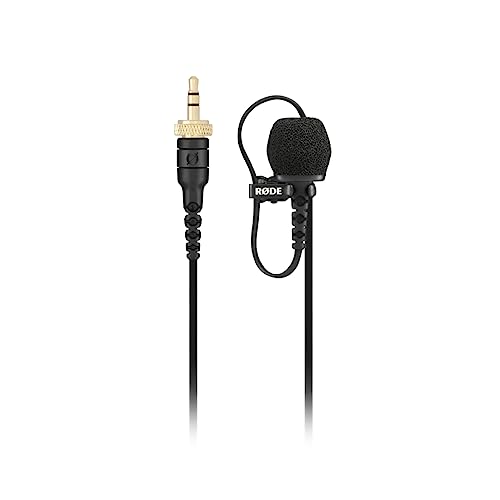
- Low-profile design for concealed placement
- Broadcast-grade omnidirectional audio
- Includes windscreens, clip, and carrying case
Best For: Filmmakers needing discreet, polished lavalier audio
Wireless Freedom

- 10 g transmitters are easy to wear
- Up to 400 m transmission range
- Two transmitters and 48-hour charging case
Best For: Mobile interviews and two-person filmmaking
Reliable Wired Value

- Standard 3.5 mm TRS connectivity
- Discreet omnidirectional capsule
- Kevlar-reinforced 1.2 m cable
Best For: Camera and wireless-transmitter setups using 3.5 mm input
Clip-Free Recording

- 32-bit float recording avoids manual gain adjustment
- Includes lavalier, windscreen, and lapel clip
- Up to 15 hours on two AAA batteries
Best For: Field shoots needing dependable standalone audio capture
Best Concealable Wired Lav

- Designed for DJI Mic and Mic 2
- Rotating design for flexible placement
- Cable routing helps prevent unplugging
Best For: Discreet wired recording with DJI receivers
Simple Dual-Lav Value

- Two wired lavalier mics for multi-speaker recording
- Omnidirectional condenser capsules for clear voice capture
- Plug-and-play 3.5mm TRS connection
Best For: Two-person interviews and compatible cameras
Discreet USB-C Recording

- Ultra-low-profile design for minimal on-camera visibility
- USB-C plug-and-play connection
- High-sensitivity capsule with clip and foam windscreen
Best For: USB-C interviews and discreet location recording
Premium Discretion – RØDE Lavalier II
RØDE Lavalier II Ultra-Low-Profile Lavalier Microphone | Auxiliary Connectivity
Check Price On AmazonFor filmmakers seeking discreet, high-quality audio, the RØDE Lavalier II combines a flat cable, compact clip, and low-profile capsule with broadcast-grade sound. Its locking connector makes it especially suitable for compatible professional wireless systems.
Best For: Filmmakers and content creators who prioritize concealed placement and polished audio.
Pros:
- Ultra-low-profile design is easy to conceal on talent.
- Omnidirectional pickup and flat frequency response support natural-sounding speech.
- Includes a pop filter, mini furry windshield, clip, ID rings, and zip case.
- Locking connector is useful with professional wireless microphone systems.
Cons:
- May not work directly with phones and cameras without compatible equipment.
- Its corded design requires a separate audio device or wireless system.
The Lavalier II is a strong choice among lavalier microphones for filmmaking when concealment, accessories, and professional-system compatibility matter more than plug-and-play camera use.
Wireless Freedom – DJI Mic Mini
The DJI Mic Mini is a lightweight wireless option for filmmakers who need mobility, long battery life, and flexible camera or smartphone connectivity. Its two transmitters, receiver, and charging case make it practical for interviews, two-person shoots, and content creation.
Best For: Mobile filmmakers, interviewers, and creators recording one or two speakers.
Pros:
- Each transmitter weighs only 10 g for comfortable, discreet wear.
- Offers up to 400 m of transmission range and up to 48 hours with the charging case.
- Provides two noise-cancellation levels and automatic limiting to help protect recordings.
- Includes two transmitters, a receiver, windscreens, camera cable, and USB-C phone adapter.
Cons:
- Some direct DJI ecosystem connections depend on supported Osmo devices.
- Strong noise cancellation may not suit every recording style.
With wireless range, dual-channel recording, and broad accessory support, the Mic Mini is a convenient all-around pick among lavalier microphones for filmmaking and run-and-gun production.
Reliable Wired Value – RØDE Lavalier GO
The RØDE Lavalier GO is a straightforward wired microphone for filmmakers who want broad compatibility through a standard 3.5 mm TRS connector. Its discreet capsule, omnidirectional pattern, and reinforced cable make it well suited to everyday on-camera production.
Best For: Camera operators and creators using 3.5 mm-compatible cameras, recorders, or wireless transmitters.
Pros:
- Standard 3.5 mm TRS connection works with many cameras, interfaces, and transmitters.
- Compact 4.0 mm capsule is discreet on talent.
- Omnidirectional pickup is forgiving when mic placement changes.
- Includes a pop shield, mounting clip, and Kevlar-reinforced 1.2 m cable.
Cons:
- Requires a compatible recording device or wireless transmitter.
- Wired operation offers less freedom of movement than a wireless kit.
The Lavalier GO remains a practical choice among lavalier microphones for filmmaking when dependable wired connectivity and durable construction are more important than an integrated wireless system.
Clip-Free Recording – Zoom F2 Lavalier Recorder
The Zoom F2 combines an included omnidirectional lavalier with a wearable 32-bit float recorder, giving filmmakers a self-contained way to capture audio without manually setting gain. Its microSD storage, long battery life, and recording safeguards are useful for interviews and demanding field shoots.
Best For: Filmmakers who want a wearable recorder with forgiving levels and offline audio capture.
Pros:
- 32-bit float recording helps capture audio without clipping from incorrect gain settings.
- Includes the LMF-2 lavalier, windscreen, lapel clip, and screw-lock connector.
- Runs for up to 15 hours on two AAA batteries.
- Supports microSD cards up to 512 GB and includes a REC Hold switch.
Cons:
- Records to the wearable unit rather than sending audio directly to the camera.
- Requires separate syncing during post-production for many filmmaking workflows.
- Heavier and less minimal than a lavalier capsule alone.
The F2 stands out among lavalier microphones for filmmaking when reliable level handling and independent recording are worth the extra post-production step.
Best Wireless Camera Kit – Movo NanoMic
For filmmakers who need flexible dialogue capture, the Movo NanoMic is a compact wireless option designed for DSLR, camcorder, and mirrorless cameras with a standard 3.5mm TRS input. Its dual transmitters, noise reduction, and long wireless range make it practical for interviews and run-and-gun filmmaking.
Best For: Filmmakers recording two subjects or working at a distance from the camera.
Pros:
- Includes two lightweight wireless transmitters and a charging case.
- Offers up to 328 feet of 2.4GHz wireless range and up to 6 hours of transmitter runtime.
- Provides 16-bit/48kHz audio, three noise-cancellation levels, and anti-clipping technology.
- Connects directly to cameras with a 3.5mm TRS microphone input.
Cons:
- Designed for cameras with a standard 3.5mm TRS input, so other devices may require different connectivity.
- The system uses a single listed channel.
The NanoMic is a strong pick among lavalier microphones for filmmaking when you want a two-person setup in a small, travel-friendly package. Its charging case and long range add convenience for mobile productions.
Best Concealable Wired Lav – DJI Lavalier Microphone
The DJI Lavalier Microphone is a compact wired lavalier designed for use with DJI Mic 2 and DJI Mic receivers. Its unidirectional pickup, rotating design, and cable-routing feature suit filmmakers who want a discreet microphone connection for interviews, vlogs, and other spoken-word shoots.
Best For: DJI Mic users who need a small, concealable wired lavalier.
Pros:
- Compatible with DJI Mic 2 and DJI Mic.
- Rotating design allows flexible positioning while recording.
- Cable routing helps reduce accidental unplugging.
- Compact form factor is easy to conceal on camera subjects.
Cons:
- Compatibility is specifically listed for DJI Mic and DJI Mic 2 receivers.
- Its 3.5mm TRS connection is wired rather than a standalone wireless system.
For filmmakers already using DJI’s wireless ecosystem, this is a straightforward add-on. It is less versatile as a standalone choice than complete wireless kits, but its discreet design makes it useful for controlled dialogue recording.
Best Compact Single-Person Kit – Movo WMX-2
The Movo WMX-2 is a compact 2.4GHz wireless camera microphone system for DSLR cameras and content creation. It combines a wearable transmitter with a receiver, built-in omnidirectional microphone, included lavalier, and charging case for portable filmmaking setups.
Best For: Solo filmmakers, vloggers, and creators who want a portable wireless camera mic.
Pros:
- Includes a transmitter microphone, receiver, lavalier microphone, wind protection, and carrying pouch.
- Uses Adaptive Frequency Hopping on the 2.4GHz band for a stable signal up to 328 feet.
- Provides up to 7 hours of battery life with an included charging case.
- Compatible with Canon, Sony, Nikon, and other DSLR cameras via the listed camera connection.
Cons:
- The listed system has one transmitter and one channel, limiting it to single-subject recording.
- Camera connectivity is based on a 3.5mm jack, while Android compatibility is listed for USB-C devices.
The WMX-2 is a practical entry point among lavalier microphones for filmmaking, especially when portability matters more than multi-person recording. Its included accessories and charging case make it convenient for mobile shoots and everyday content production.
Simple Dual-Lav Value – NEEWER CM5 2-Pack
For filmmakers looking for affordable lavalier microphones for filmmaking, the NEEWER CM5 provides two wired omnidirectional mics for straightforward voice recording. Its 3.5mm TRS connection works with compatible cameras, smartphones, camcorders, recorders, and select wireless transmitters.
Best For: Two-person interviews, presentations, vlogging, and camera-based filmmaking setups with a 3.5mm input.
Pros:
- Two microphones support recording separate speakers without swapping a single lav.
- Omnidirectional condenser capsules capture voices from all directions with clear, uncompressed audio.
- Plug-and-play operation requires no batteries, drivers, or software.
- Compact clips, foam windscreens, and 3.9-foot cables support discreet, hands-free use.
Cons:
- Wired operation limits movement compared with a wireless system.
- Requires a separately purchased adapter for USB-C and other non-3.5mm devices.
- Not compatible with Sony microphone systems.
The CM5 is a practical choice when reliability and a two-mic setup matter more than wireless freedom. Confirm your recording device has a compatible 3.5mm TRS input before buying.
Flexible Wireless Control – NEEWER CM26 Pro
The NEEWER CM26 Pro is a flexible option among lavalier microphones for filmmaking, combining two transmitters with AI noise cancellation, monitoring, and multiple output modes. Its receiver supports phones, cameras, computers, and tablets through the included connection options.
Best For: Interviews, mobile filmmaking, outdoor content, and creators who need two wireless transmitters with adjustable audio controls.
Pros:
- Two AI noise-cancellation levels help reduce traffic, wind, and other surrounding noise.
- 48kHz/24-bit recording, 88dB SNR, automatic gain control, and distortion limiting support detailed speech capture.
- Mono, stereo, and safety-track output modes provide useful recording flexibility.
- Up to 50 hours of total runtime and up to 330 feet of open-area transmission support extended shoots.
Cons:
- Wireless range figures apply to open, unobstructed areas and may vary on location.
- The system depends on battery charging rather than a simple wired connection.
- Advanced controls may require using the NEEWER MIC app.
With dual transmitters, monitoring, gain adjustment, low-cut settings, and app control, the CM26 Pro is the most feature-rich option here. It suits filmmakers who want wireless flexibility and in-camera audio control.
Discreet USB-C Recording – GNAFETS Ultra-Low-Profile Lav
For filmmakers who prioritize a discreet appearance, this ultra-low-profile lavalier is designed for broadcast, location recording, studio voice work, and content creation. The USB-C version offers plug-and-play connection with compatible devices and includes a metal clothing clip and foam windscreen.
Best For: USB-C phones, tablets, laptops, interviews, and productions where minimal microphone visibility is important.
Pros:
- Ultra-low-profile design helps keep the microphone unobtrusive on camera.
- High-sensitivity capsule is intended for clear voice recording in filmmaking and broadcast applications.
- Five available input configurations accommodate different device setups, including USB-C and versions with headphone jacks.
- Automatic detection enables setup without drivers.
Cons:
- This listed version uses USB-C, so compatibility should be checked before purchase.
- It is a wired microphone and does not provide wireless transmission.
- The supplied warranty information is limited to a 30-day return policy.
The GNAFETS lav is a focused pick for creators who want a small, easy-to-hide microphone with direct USB-C connectivity. Its cable-based design is best suited to controlled setups where wireless range is not required.
How We Picked the Best Lavalier Microphones for Filmmaking
We focused on the factors that matter most on set: speech clarity, concealment, connection type, reliability, battery or recording runtime, monitoring options, and compatibility with cameras, phones, transmitters, and portable recorders. The selection includes simple wired microphones, dual-channel wireless systems, and recorder-based options for filmmakers who want a backup track or greater mobility.
We also considered practical details such as included accessories, charging cases, clip design, wind protection, gain control, and whether a microphone suits solo creators or larger productions. A higher price is not automatically better; the ideal choice depends on your camera workflow and shooting conditions.
Quick Comparison
| Type | Best For | Main Advantage | Potential Trade-Off |
|---|---|---|---|
| Wired lavalier | Controlled interviews and scripted scenes | Simple, dependable connection | Cable management |
| Wireless lavalier | Moving subjects and fast-paced shoots | Freedom of movement | Charging and wireless range |
| Recorder lavalier | Independent audio capture | No camera cable required | Separate audio synchronization |
| Dual-transmitter system | Two-person interviews | Records multiple speakers | More setup and configuration |
Key Buying Factors for Lavalier Microphones for Filmmaking
Connection and Compatibility
Check whether the microphone uses a 3.5mm TRS plug, TRRS connection, USB-C, Lightning, or a proprietary wireless transmitter. Camera inputs and phone inputs are not always wired the same way, so an adapter may be necessary. Confirm compatibility before buying, especially when switching between a DSLR, mirrorless camera, smartphone, and computer.
Wired Versus Wireless Operation
Wired lavs are affordable, lightweight, and ready whenever you plug them in, making them effective for seated interviews and controlled scenes. Wireless systems are more convenient for walking shots, presentations, and documentary work, but they require charged batteries and careful attention to pairing, range, and interference.
Sound Quality and Concealment
Look for a natural vocal response, low self-noise, and a compact capsule that can be hidden without rubbing against clothing. A discreet microphone is valuable, but placement matters just as much: secure the cable, avoid necklaces and loose fabric, and use a windscreen outdoors. Noise cancellation can help with consistent background noise, but it cannot replace good microphone positioning.
Recording and Monitoring Features
Built-in recording, safety tracks, gain adjustment, mute controls, and headphone monitoring can prevent costly retakes. For important shoots, independent recording provides a useful backup if the camera connection fails. Always test levels and listen for clothing noise before filming.
Who Should Buy Which Lavalier Microphones for Filmmaking?
Choose a wired lavalier if you want the simplest, most economical solution for interviews, studio work, or scripted filming. Choose a wireless kit if subjects need to move freely or you regularly film solo content and two-person conversations. Choose a recorder-based system if you need reliable isolated audio, have limited camera access, or want a backup track. For smartphone-first creators, prioritize native phone compatibility and a compact charging case. For professional or multi-camera work, prioritize dependable range, manual control, monitoring, and redundant recording.